Direct Answer / Key Takeaway: Investigate an unexpected treated-water hardness result by identifying the sample route, regeneration event and brine condition before changing or dismantling anything.
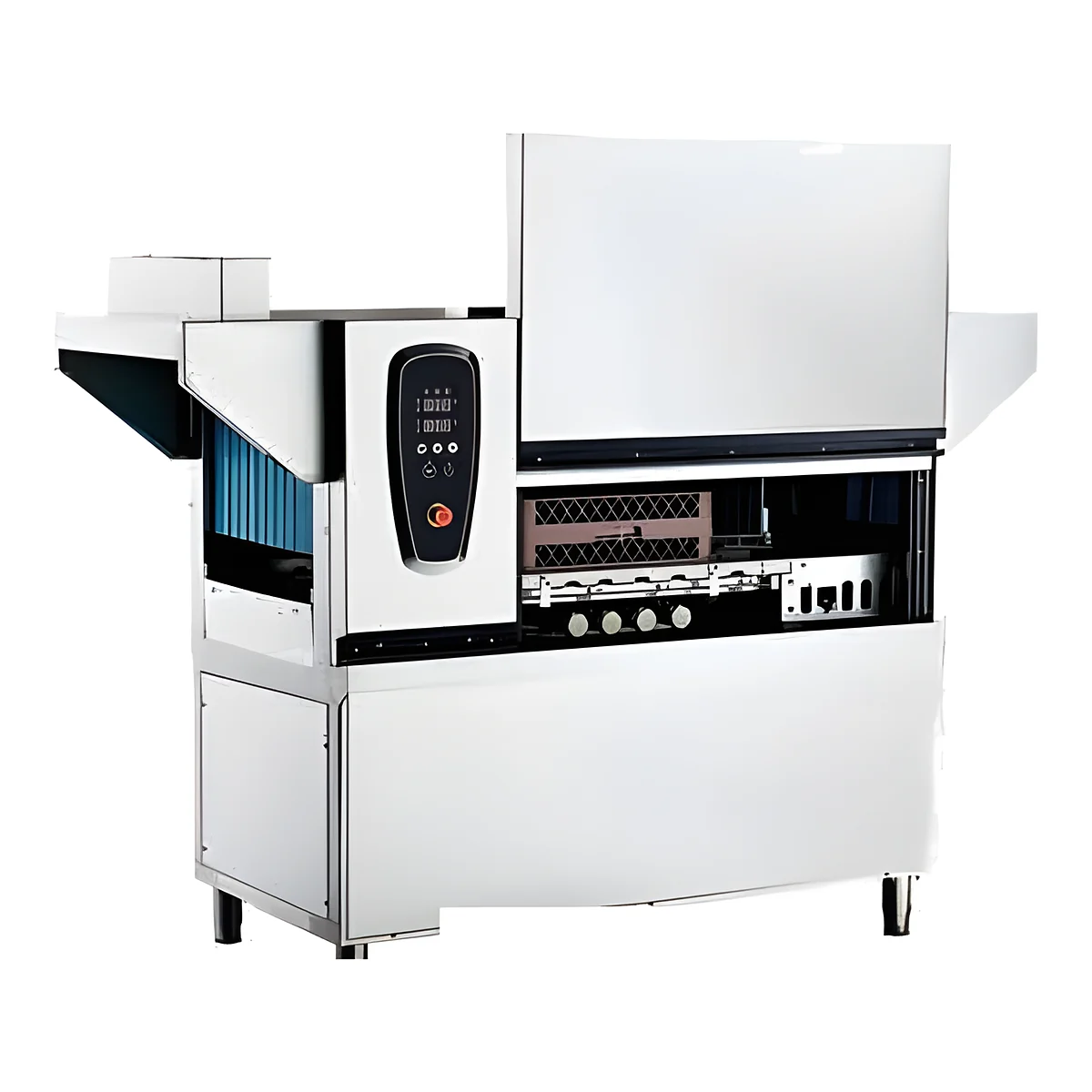
The brine tank contains salt, but a hardness check at the dishwasher is unexpected. Preserve that mismatch as an event: where was the sample taken, what did the test show and what was the softener doing at the time? Adding more salt or repeatedly starting regeneration can change the evidence without establishing why the result occurred.
Use the site's response for unacceptable or unconfirmed supply water while investigating. Confirm the actual test method, units and kit condition against the dishwasher's required result. Then trace the sampled branch: untreated inlet, treated outlet and the final machine connection can represent different water. A bypass or mixing route must be identified before the sample is attributed to the resin tank.
The next useful observation is the regeneration that should have prepared the tank now in service. Establish whether it occurred and completed, not merely whether a regeneration time appears on the screen. Preserve its messages, any power interruption and the amount of water used since the relevant event where reliable information exists.
Compare the visible salt and liquid condition with the identified system's instructions. Salt present now does not prove that the earlier event had the required brine available. A surface layer also does not establish what is underneath. Where a bridge or obstruction is suspected, use only the supplier's permitted inspection and correction method; do not hammer the vessel, probe around internal parts or add an improvised cleaner.
Send the service person a connected sequence:
- The identified water requirement and valid sample result, with units, location and time.
- The confirmed water route and observed bypass/mixing state.
- The preceding regeneration, any interruption and subsequent water demand.
- Recent salt additions and the visible brine condition.
- Any separate high level, leak, overflow or complete controller message.
If there is an abnormal high level or overflow, follow the installed response immediately rather than continuing salt additions. The technician should be told both the water-quality complaint and this separate physical condition.
Component work then follows the actual assembly identity and approved procedure. An injector, air-check, float or flow-control part must be matched to that system. The salt-present complaint does not establish which part needs service, and dismantling requires the specified isolation and depressurisation.
After an authorised correction, verify the required output at the intended downstream point under the agreed operating conditions. Review the actual dishwasher supply-quality checks with the operator. The relevant restoration evidence is suitable water through the confirmed route, together with the required system checks; salt movement alone does not close the complaint.