Direct Answer / Key Takeaway: Specify a mixer cleaning demonstration for the actual bowl, guard and controls. Separate operator cleaning from service work and retain the correct instructions.
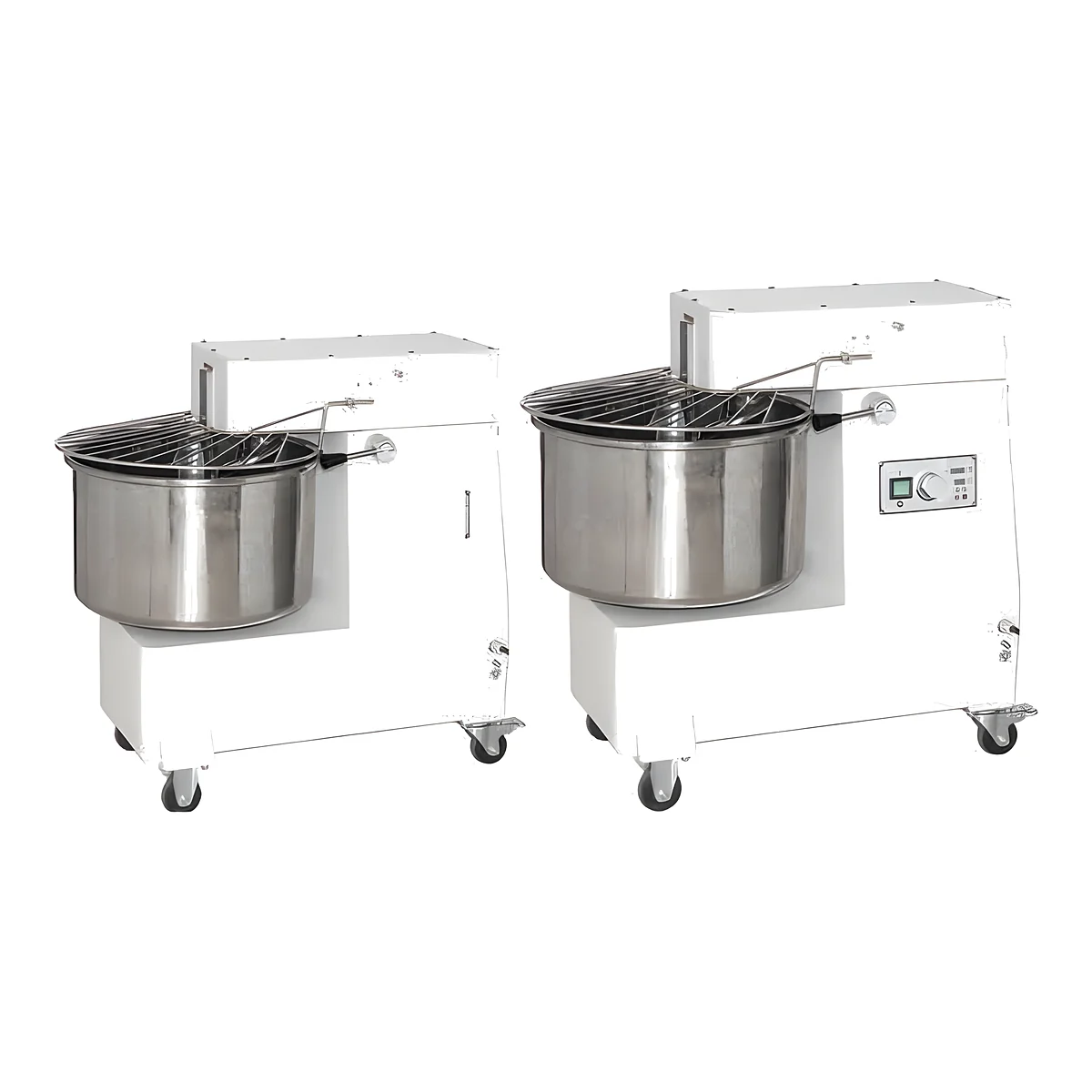
A mixer cleaning demonstration should use the machine being supplied, not a video of another bowl or guard arrangement. The aim is to leave the bakery with a procedure it can carry out as intended and a clear boundary between operator cleaning and technical service.
Ask the supplier to demonstrate the awkward areas
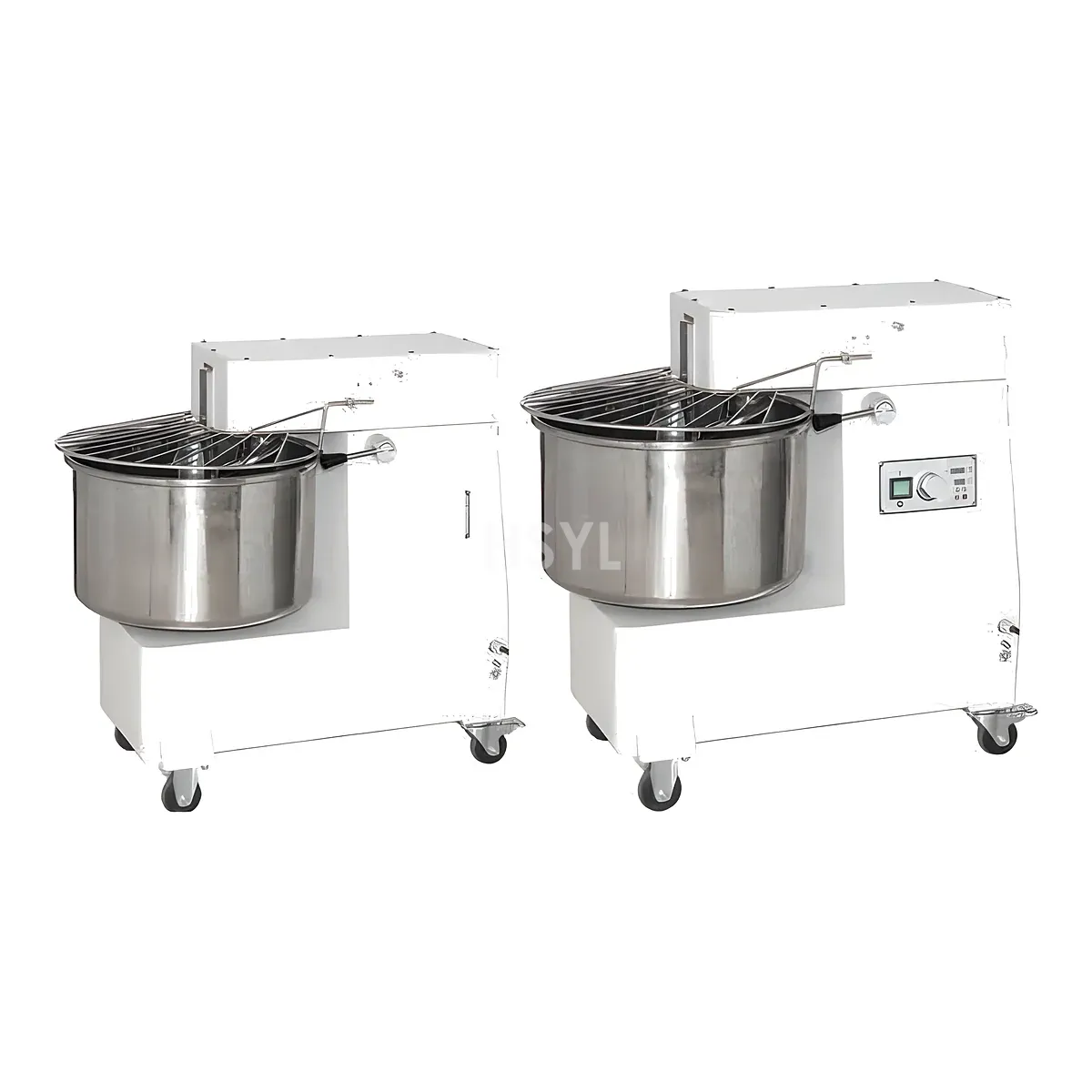
Request the current instructions before the demonstration. Identify the model and configuration on both the machine and the document. The HDM spiral-mixer family includes different control arrangements; a family brochure does not describe every cleaning or service action.
Have the supplier show the approved stop and isolation arrangements before any cleaning access is demonstrated. Then ask about the actual bowl, hook, guard, scraper or other fitted components: which are intended to be removed by operators, how they are handled and which areas require a service technician. Do not infer that a part is removable because a similar-looking mixer has a removable version.
| Area | Required clarification |
|---|---|
| Bowl and mixing tool | Approved cleaning access, permitted tools and reassembly checks where applicable |
| Guard and accessible joints | How dough residues are reached without defeating a protective feature |
| Controls and drive enclosure | Permitted external cleaning method and areas that must not be wetted |
| Removable items | Who may remove them, where they are cleaned and how correct refitting is confirmed |
Keep cleaning and lubrication separate
Cleaning food residues is not an instruction to lubricate the machine. Obtain the model-specific maintenance schedule and identify any tasks reserved for qualified personnel. Do not introduce oil or grease based on an assumption about gears, bearings or chains. The existence of a drive system does not establish an operator lubrication point.
Likewise, select cleaning agents and methods from the applicable instructions and the kitchen's approved procedures. Aggressive chemicals, scraping tools or direct water application can be unsuitable for particular materials and components. Record the permitted method instead of adopting a universal 'wash down after every batch' instruction.
Make responsibility clear on the production floor
Leave concise, accessible instructions that identify the correct machine. Assign routine cleaning, inspection reporting and technical maintenance to the appropriate people. The operator's inspection record should describe observable defects, such as a damaged accessible part or abnormal indication, and explain who must review them before further use.
Keep the handover demonstration and applicable instructions with the equipment records. Request missing instructions through the manuals and documentation service. If a guard, control or bowl assembly is later replaced with a different version, ask whether the procedure needs updating. Good documentation follows the installed configuration throughout its use; it is not completed merely by receiving a generic cleaning checklist.