Direct Answer / Key Takeaway: Prepare a useful service report when a commercial induction cooktop stops, recording the cookware, displayed message, task, air access and recent operating changes.
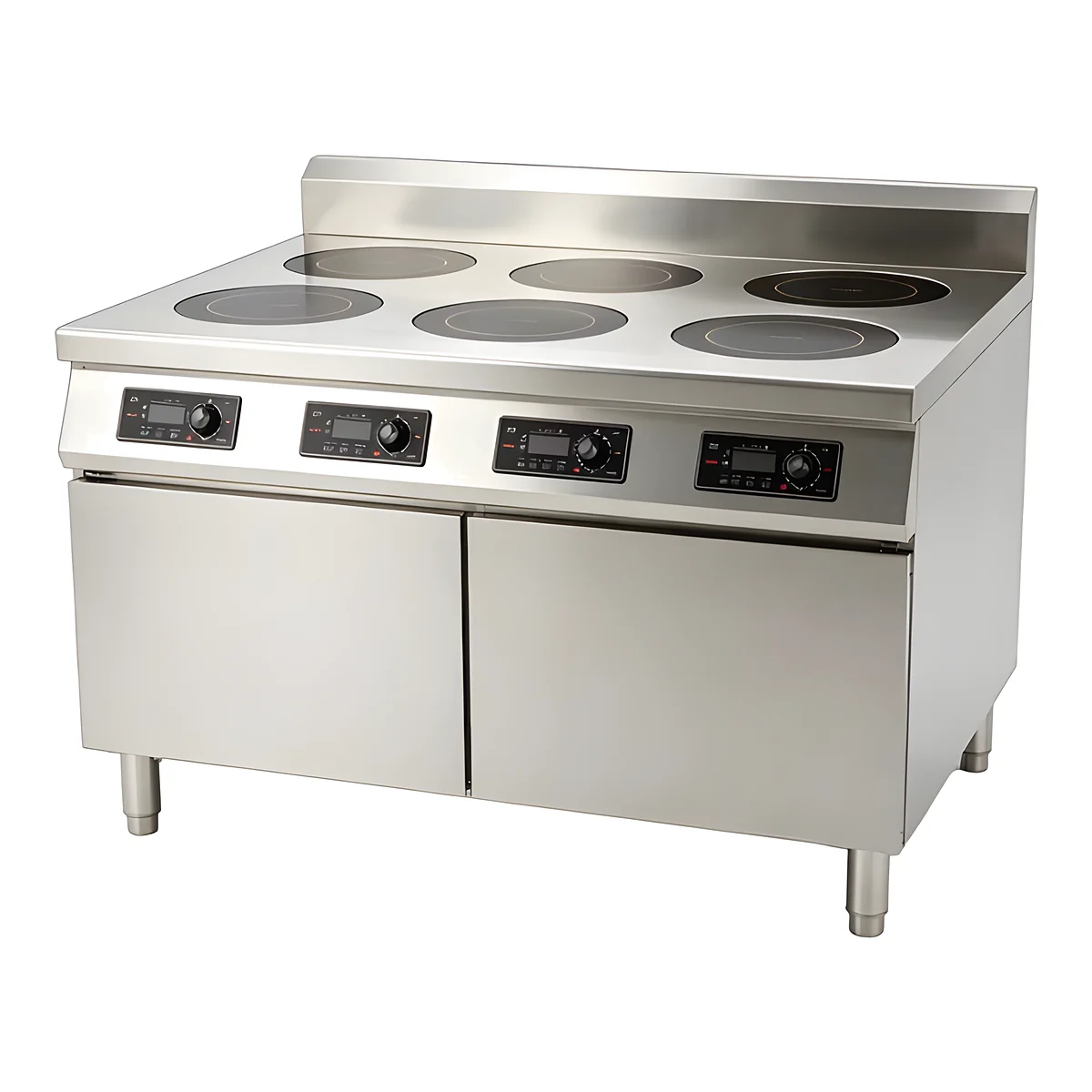
When an induction cooktop stops during a cooking task, the most useful first response is an accurate record of what happened. Repeated resets can erase the sequence staff need to describe. Capture the unit identification, displayed message and working conditions before the service provider is asked to interpret the interruption.
Write the displayed message exactly
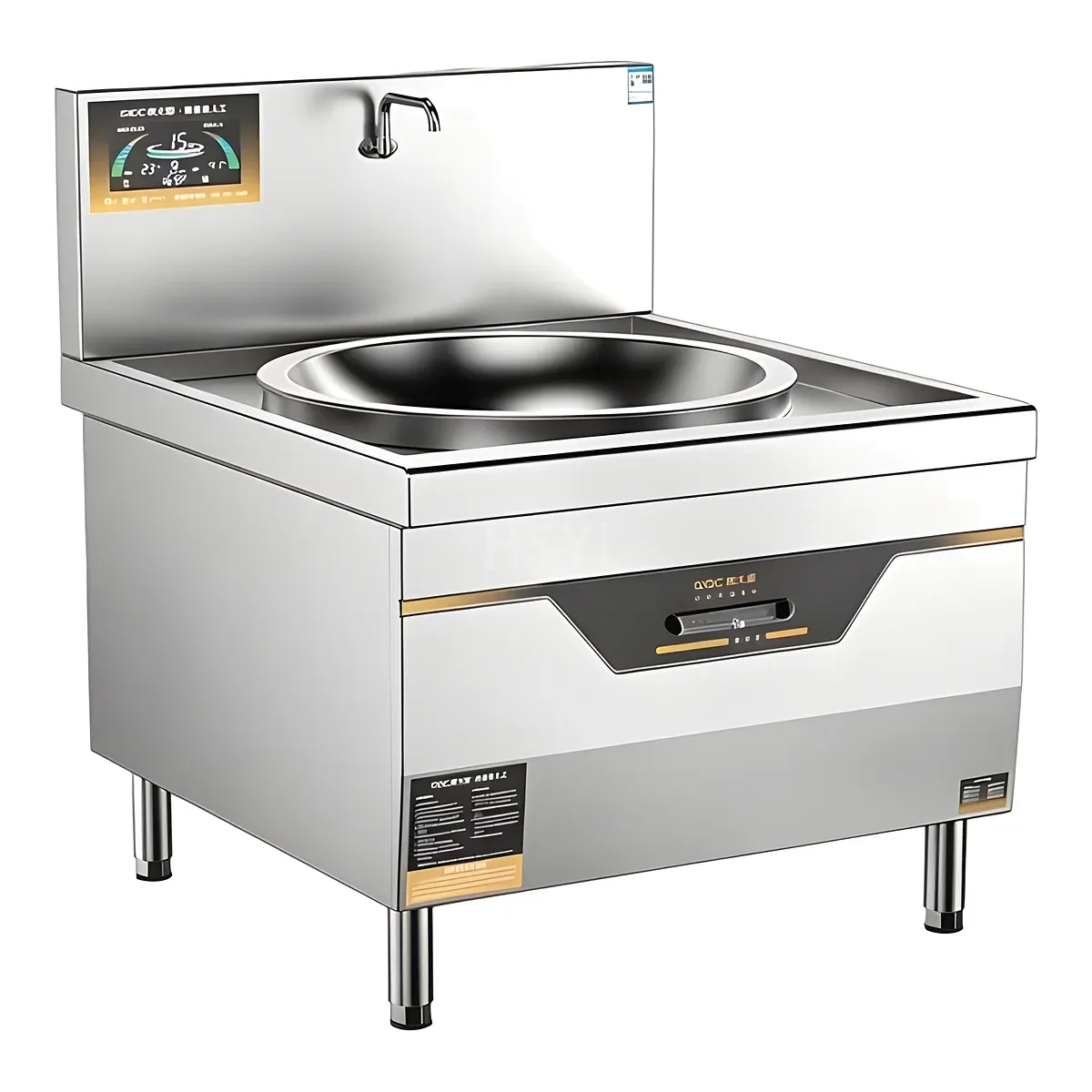
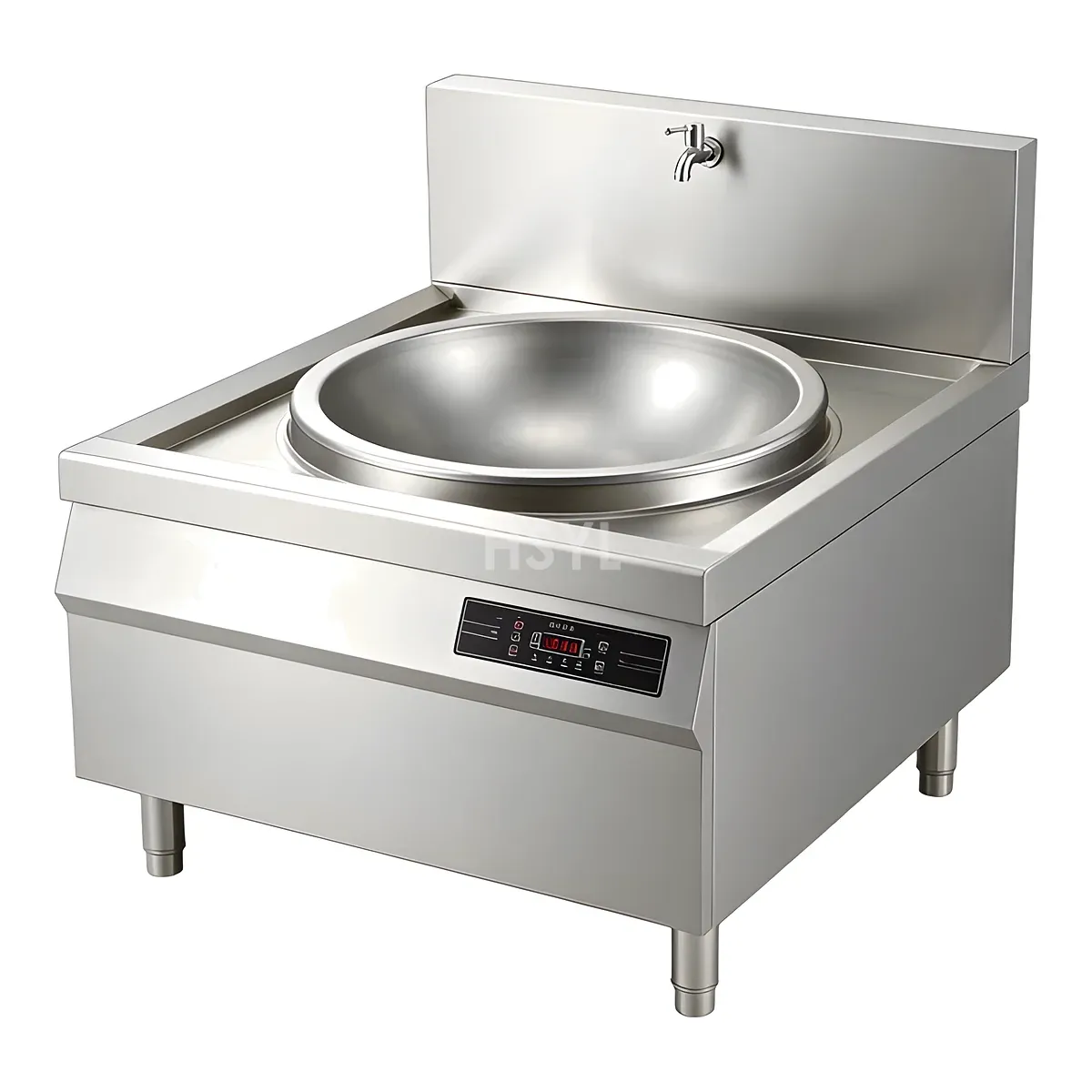
Record the model, serial identification and any message or code as it appears on the unit. Include a safely obtained photograph if possible. The PL01 flat unit and AL01 concave unit are separately identified in the catalog; a code found for another induction appliance should not be assigned to either one without the relevant manual.
State whether the cooker lost power, displayed a message or remained powered while heating stopped. Those are observations a technician can use. Do not turn the report into a diagnosis such as failed control board unless the responsible service person has established that finding.
Identify the pan and the cooking task
Note which vessel was on the appliance and whether it was the same pan that had previously been accepted for that unit. Describe the task, the approximate load and the point in the sequence when the interruption occurred. Include a change of vessel, a lift for tossing or stirring, or a movement of the pan if that formed part of the observed sequence.
This record is not permission to test incompatible cookware or continue a task against the manual's warning. It helps the service provider distinguish the actual operating conditions from an incomplete statement that the cooker works intermittently.
Describe the installed surroundings
Record whether the appliance has recently been moved, placed inside a surround or positioned beside equipment that changes its working environment. Check only the safely accessible openings and filters the operator is allowed to inspect. Follow the manual before cleaning or removing any component.
A photograph of the counter and neighboring equipment can show a blocked access area more clearly than a dimension quoted from memory. Do not open electrical covers, modify cooling parts or bypass a protective function to make the cooker keep running.
Send one coherent service history
Add the time and circumstances of previous interruptions, any cleaning or maintenance carried out and what happened after the prescribed response. Record who performed earlier service and retain the actual findings. If several people use the same station, collect their observations into one record rather than sending separate conflicting explanations.
The operating instructions and service provider should determine whether the unit can remain in use and what action is permitted. The installation and maintenance support scope should identify how the kitchen requests that assessment. Arrange another cooking method through the kitchen's production plan if it must be withdrawn. A service report should support a decision, not encourage staff to reproduce a potentially unsafe event.
When the issue is resolved, keep the confirmed cause and the corrective work with the original observations. This builds a useful history without circulating a made-up error-code chart or attributing every stop to one common component.