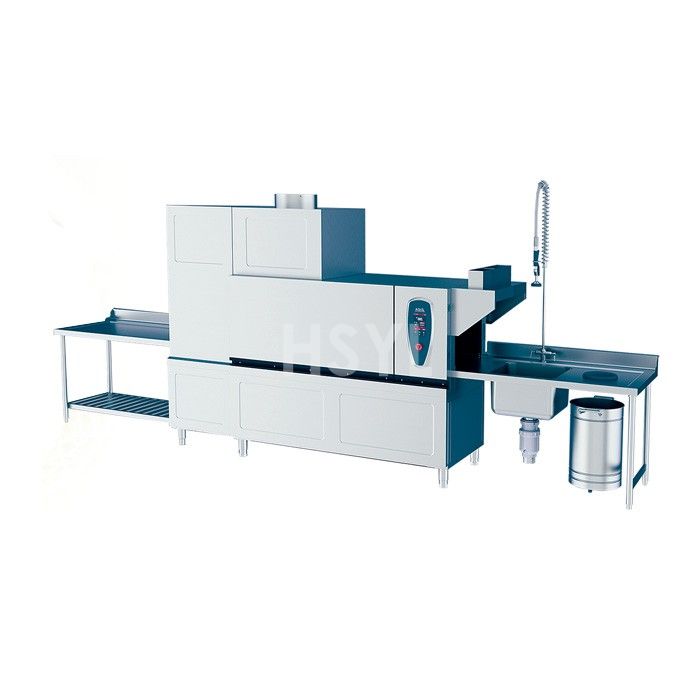
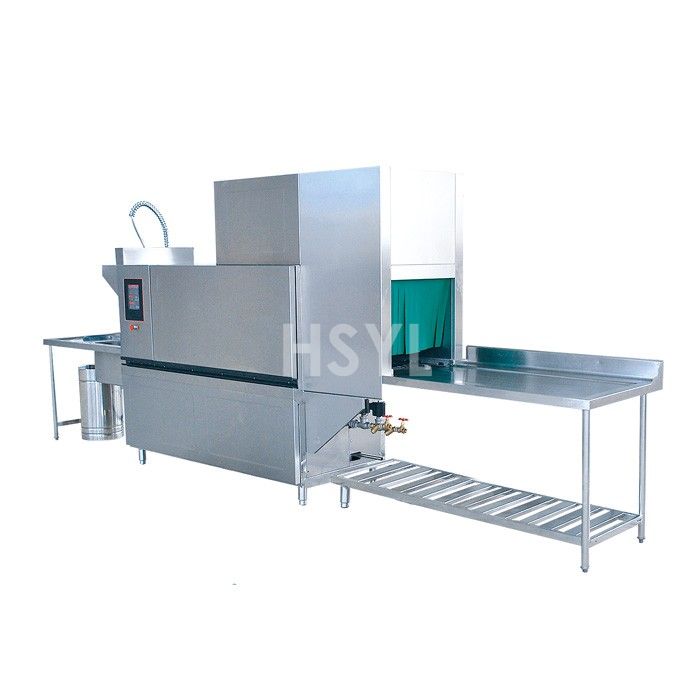
Direct Answer / Key Takeaway: Compare feasible utensil-washing arrangements with the same vessels, handling and clean-side demand. Include open doors, temporary landing and return movements before choosing a smaller footprint.
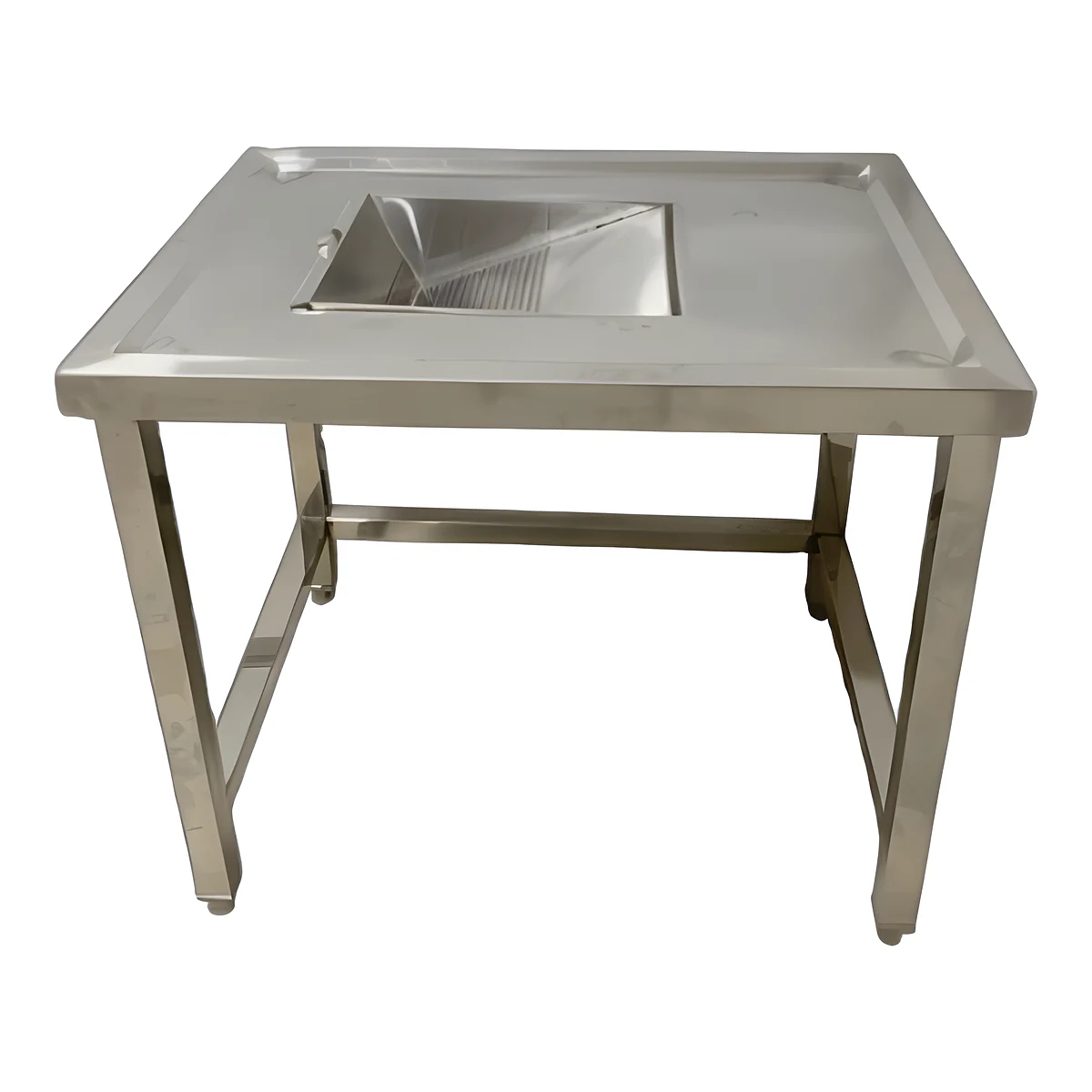
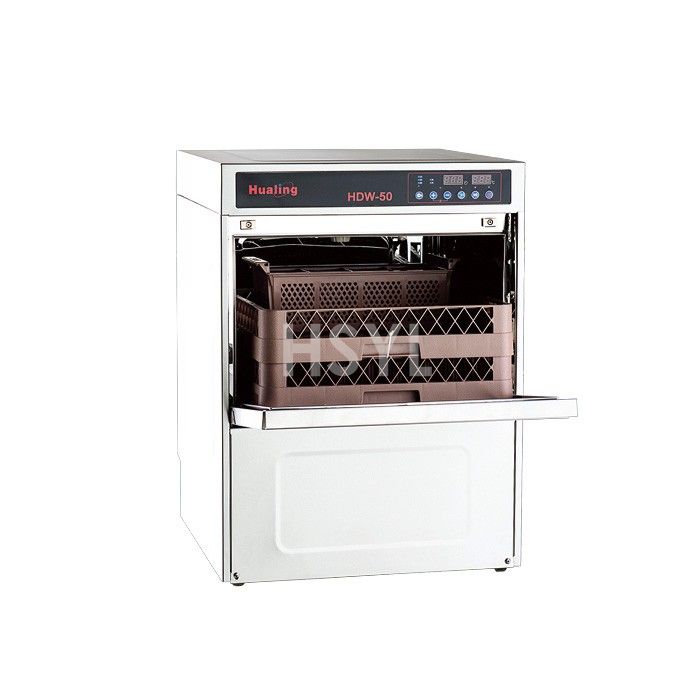
A smaller machine footprint can require more surrounding handling space. Compare complete pot-washing layouts with the same utensils and service demand, including the positions occupied while doors are open and the places where items wait.
Begin with two genuinely feasible proposals. Each must have an identified machine, supported load arrangement and accepted utility/access requirements. Do not sketch a pass-through process around a machine whose actual loading method does not support it.
Follow the same utensils through both layouts
| Movement | What to observe |
|---|---|
| Dirty arrival | Where the complete vessel and removable parts first land |
| Preparation and loading | Handling positions, open equipment and any required approved pre-treatment |
| Clean unloading | How the item leaves without crossing an uncontrolled dirty task |
| Drying or storage | The next accepted position and staff movement |
| Empty supports and returns | The route racks, trolleys and containers take back to their next use |
Use representative large and awkward items, not only a small easy pan. Include handles, lids and the actual handling aid where required. Have the site team assess the task through its approved handling and hygiene arrangements.
A single-front arrangement may require a particular time and space sequence. Another supported arrangement may separate some movements but occupy different room space. Neither label proves an acceptable clean-side process or a labour saving without the complete walkthrough.
Compare the occupied work area and staff task
Show both layouts with the loading mechanism open, the operator present and landing areas in use. Include service access separately. A machine outline that excludes the waiting dirty vessel or clean unloading position understates the station.
Observe tasks that can actually overlap and those assigned to the same person. Count the return movements and any shared aisle conflict. If one design moves an interruption elsewhere, record that effect rather than calling it a capacity gain.
Use the large-utensil workflow review to discuss the same defined movement with the suppliers and operating team. Resolve whether each proposal supports the largest item and repeated return loads through an appropriate cleaning demonstration.
Price the complete feasible layouts: machine, supports and handling aids, landing furniture, installation and relevant staff work. Bring those into the equipment comparison. Choose a supported station arrangement, rather than a closed-cabinet footprint or an assumed scullery yield that omits the work around it.