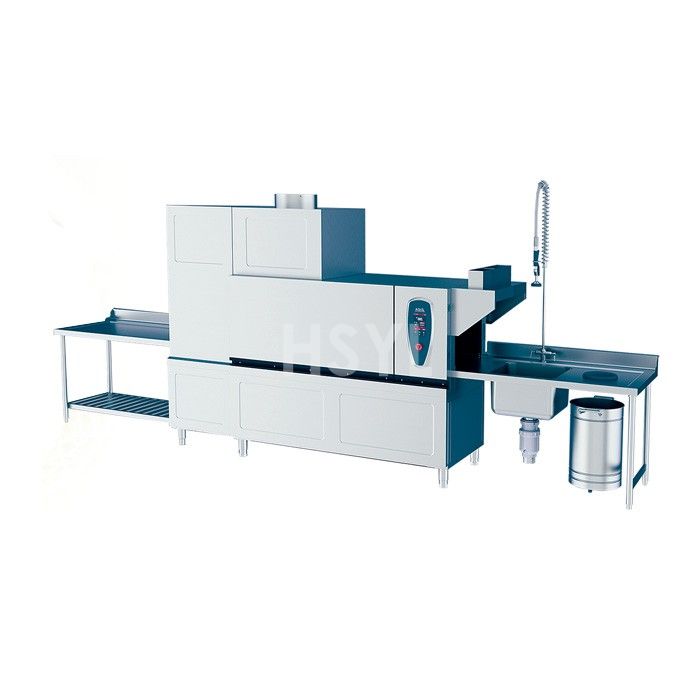
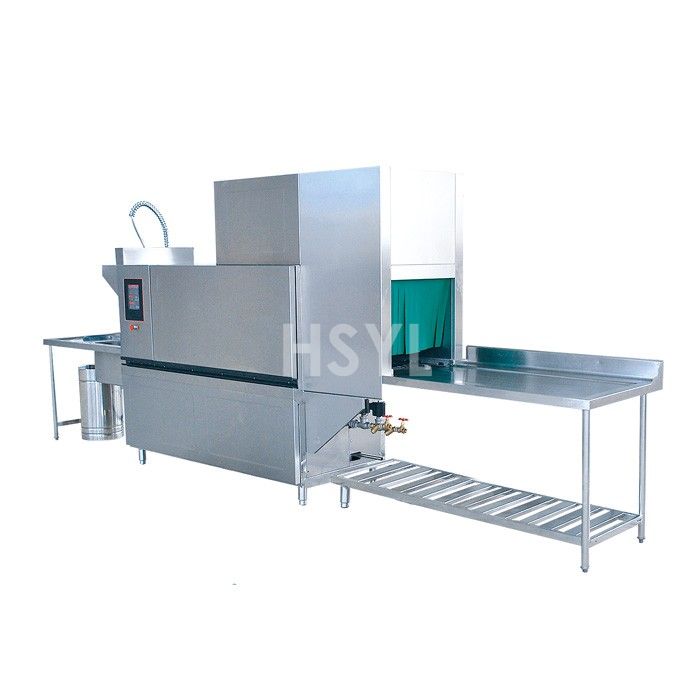
Direct Answer / Key Takeaway: Build a pot-washer load trial using the largest pots, awkward utensils and return peaks. Separate wash-cycle capacity from handling and drying time.
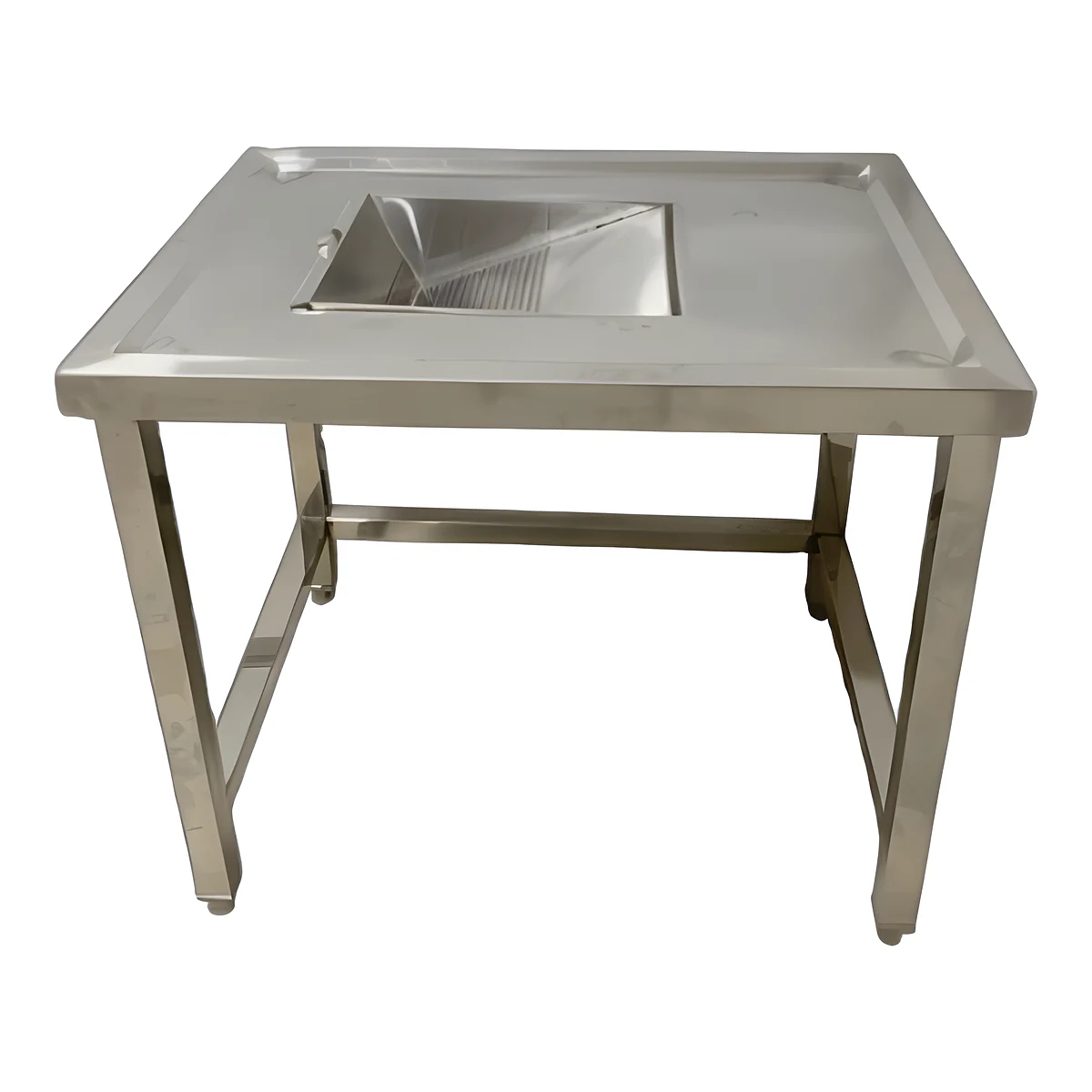
The largest stockpot may fit through a washer door and still be difficult to clean in a normal load. Handles can obstruct neighbouring utensils, deep vessels can shield surfaces, and the operator may have nowhere to put the clean load. Pot-washer capacity therefore needs a loaded trial, not a comparison of chamber litres alone.
Collect the items returned by the production area during its busiest cleaning period. Include the largest vessel, the most awkward handled item, a representative mixing attachment and the containers that arrive in repeated batches. Photograph each item beside a ruler and note whether lids or removable parts are washed separately. Use the actual return pattern when planning the large-utensil washing workflow.
Make a load sheet before comparing machines
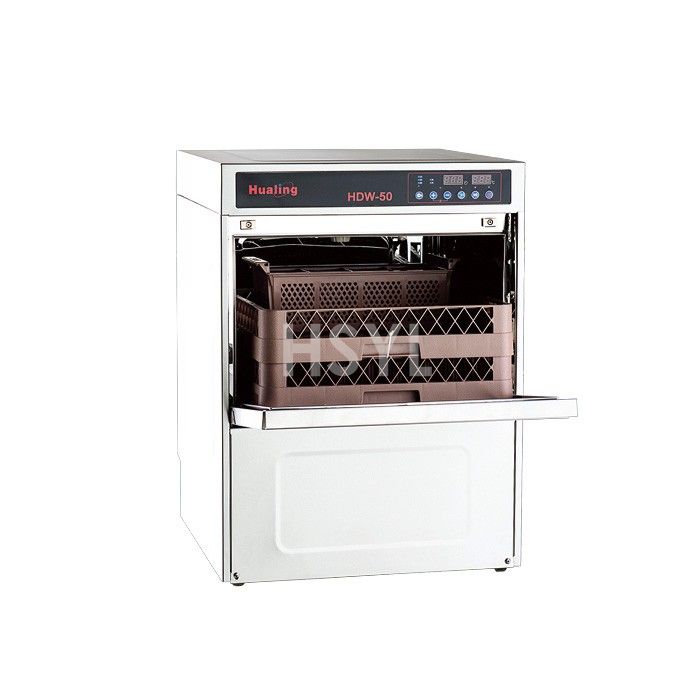
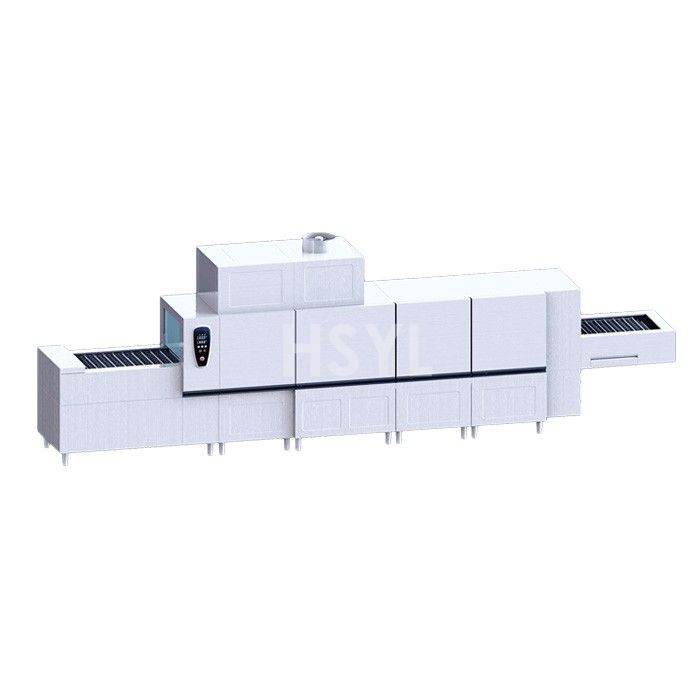
The load sheet should describe what must be cleaned together. Two suppliers may use the same term, such as a basket or cycle, for arrangements with different usable geometry. Ask for a drawing showing the loading opening, unobstructed chamber space, support arrangement and access needed to lift an item into position.
| Observation | Why it changes the selection |
|---|---|
| Vessel height with handles and lid removed | Tests the real loading envelope rather than the nominal pot volume. |
| Support points and item orientation | Shows whether the proposed arrangement exposes the surfaces that require cleaning. |
| Mass and grip points of the handled load | Allows the team to review lifting and safe transfer using its own handling procedure. |
| Soil condition at the normal return time | Prevents an easy, freshly rinsed sample from standing in for the production workload. |
Time the complete turnaround
Observe loading, the selected cleaning process, unloading and the point at which the item is ready for its next use. Record which tasks can genuinely happen in parallel. A short machine cycle is not the same as a short utensil turnaround when one operator is also sorting returned items or waiting for landing space.
Discuss any required pre-treatment with the equipment and chemical suppliers. The trial must use a documented process suitable for the item and its finish. Do not compensate for an unsuitable load arrangement by inventing a stronger chemical concentration or an arbitrary extra cycle. Any change to the operating method should be checked against the applicable instructions.
Repeat the trial on the item combination that is hardest to position, then on the repeated production load. Check the result at handles, corners, rims and other areas that the loading arrangement can conceal. Record retained soil and the need for manual rework. Those observations explain whether another support accessory, a different loading orientation or a different machine architecture is required.
Turn the result into the purchase requirement
A useful quotation request includes the item photographs, load combinations, expected return peaks, proposed accessories and the witnessed result. It also identifies the available dirty and clean landing areas. The wider dishwashing equipment range can help distinguish a dedicated utensil application from a machine intended primarily for tableware, but the chosen model still needs its own load demonstration.
Keep the approved load sheet with the operating instructions. When a new vessel or attachment is introduced, check it against that envelope and process. A machine that passed with one set of kitchen utensils has not automatically been demonstrated with every later purchase.