Direct Answer / Key Takeaway: Keep cutting discs, grids and permitted accessories matched to their machine and cut. Plan approved cleaning, inspection and protected storage without generic sharpening instructions.
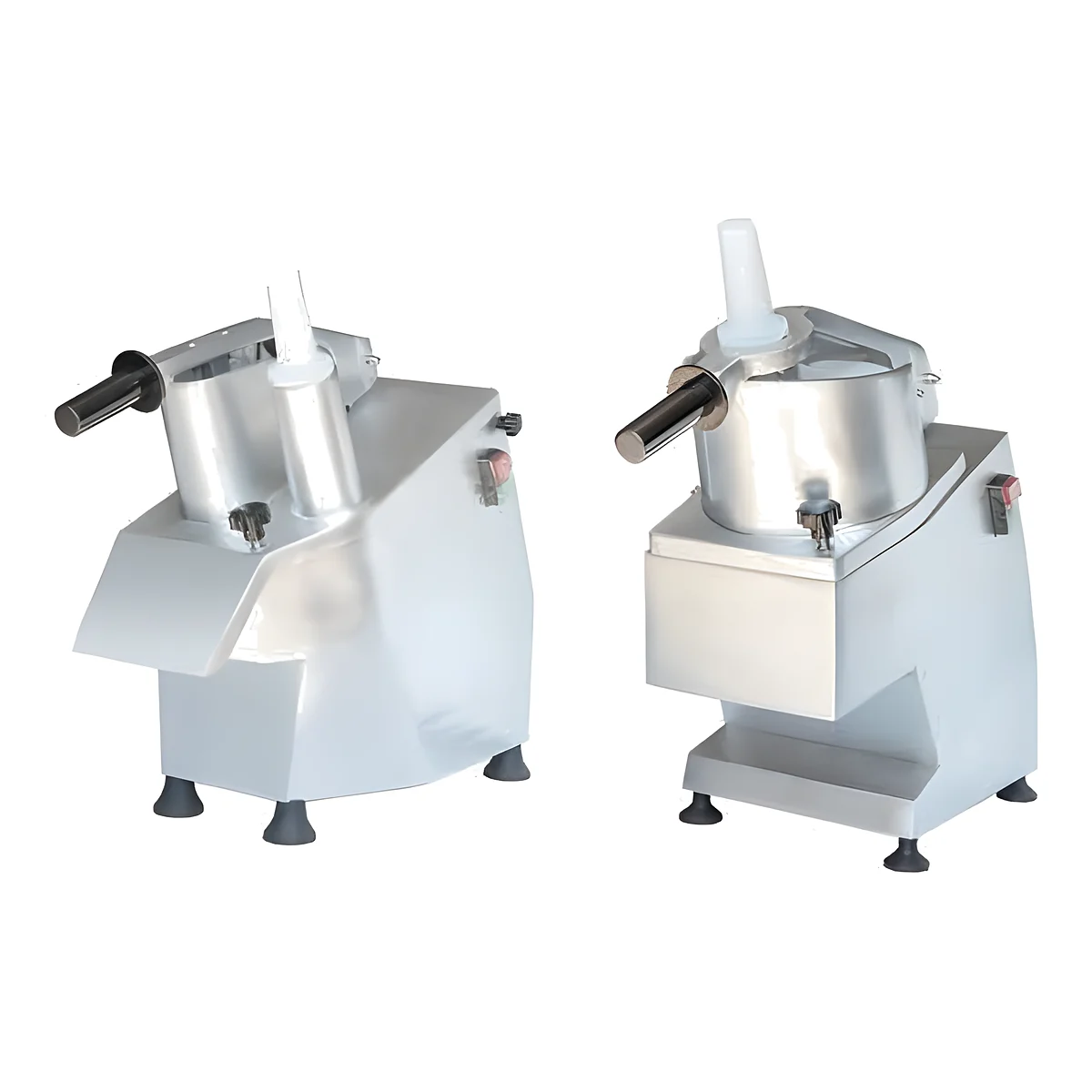
A vegetable cutter's tools need to emerge from cleaning ready for the next correct task. A clean but unidentified disc, a mixed dicing set or an unprotected cutting edge can interrupt preparation before the motor starts. Treat identity and condition as part of the tooling-care cycle.
Give each item a traceable storage position
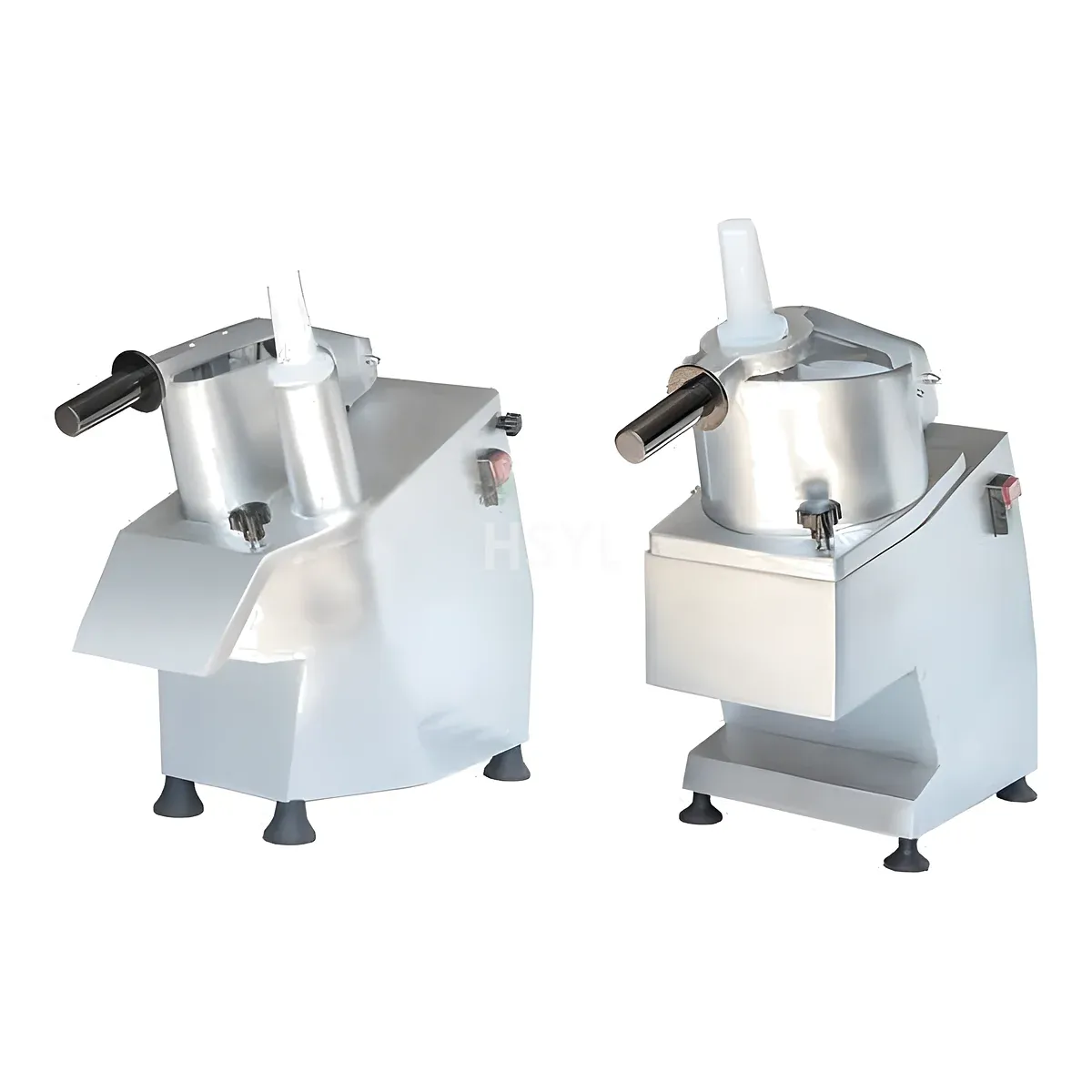
Inventory the approved tools supplied for the actual machine. Record the manufacturer's part reference and the cut it is intended to produce. Distinguish a complete dicing set from a single disc, and identify any necessary ejector or other accessory through the correct parts documentation.
Provide a labelled storage position that protects the tool and permits safe handling under the manufacturer's instructions. Do not stack sharp discs loosely in a drawer or use the cutting edge as a marking surface. Keep tools for different machines distinguishable even when their diameter appears similar.
Robot-Coupe's official accessory lists separate slicing, grating, julienne and dicing equipment, illustrating why the cut name and part identity both matter. Those references do not establish compatibility with the HLC or HCV cutter. Use that machine's confirmed accessory schedule.
Keep the cleaning route matched to the tool
Have the supplier demonstrate the approved removal, handling, cleaning and return-to-storage procedure for trained staff. Identify which items may be washed by which method and which parts remain on the machine. Stainless appearance alone does not establish dishwasher or chemical compatibility.
Arrange the designated cleaning area so sharp tooling does not become hidden beneath unrelated utensils. Keep any required cleaning aids with the appropriate set and use them only as instructed. Do not improvise a hand-clearing method for a dicing grid or reach into a powered feed area to remove residue.
Follow the approved cleaning plan and chemical label for the actual materials, including their required concentration and contact conditions. Keep any sharpening or other service task within the responsible role and correct instructions. Record missing instructions or unsuitable storage as a station issue to resolve before the next task.
Separate cleaning completion from service release
During the permitted inspection, report visible damage, deformation, missing components or an unexplained change in the finished cut. Set aside questionable tooling through the site's approved process and identify it so another shift does not unknowingly return it to use.
Ask the responsible supplier whether the affected item may be serviced or must be replaced. Do not hone a disc to an assumed angle or mix a new grid with an unconfirmed disc. Replacement should preserve the compatible set and required cut, not merely fill the empty storage slot.
Keep the approved parts schedule and updated service information with the machine. Request missing matching material through the technical-document service. A simple opening check of the correct complete set then supports the next menu task without relying on somebody recognizing a clean tool from memory.