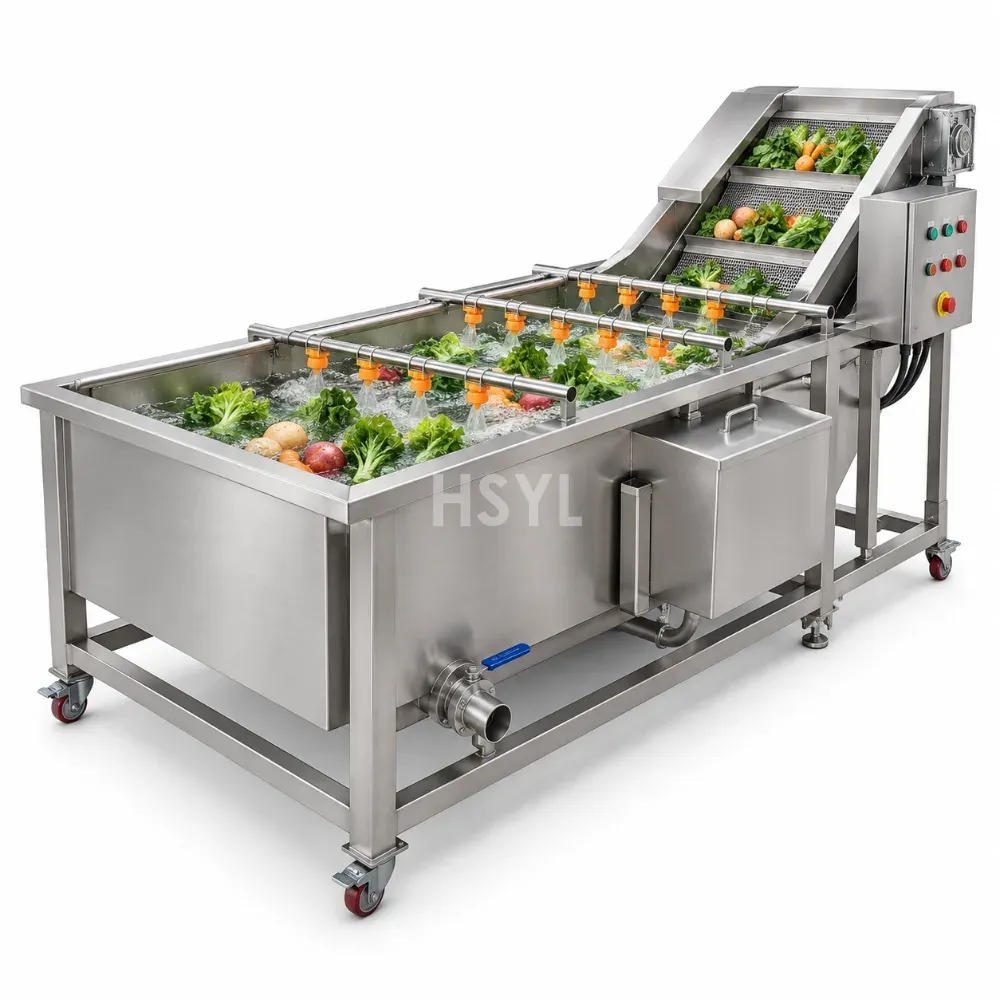
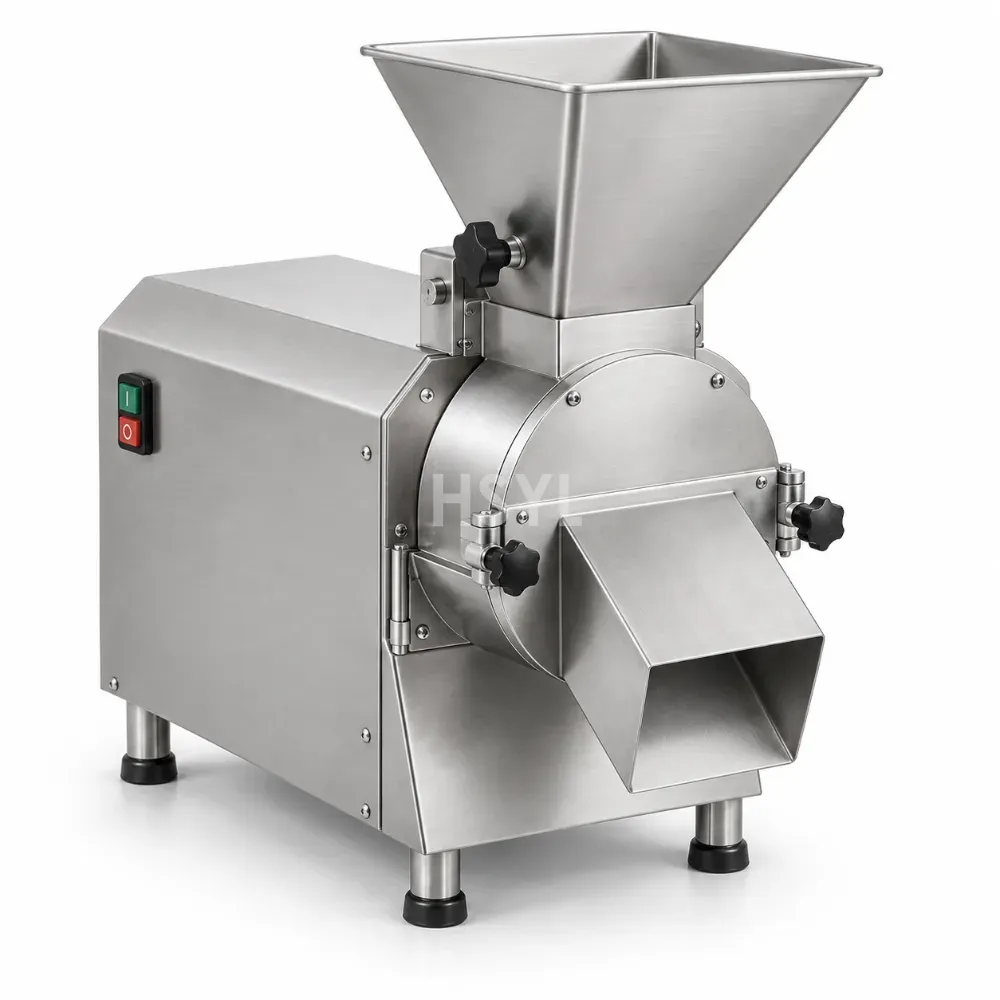
Direct Answer / Key Takeaway: Build a cut-and-ingredient schedule before choosing a vegetable cutter. Include feed preparation, compatible tooling, changeovers and the usable result for each dish.
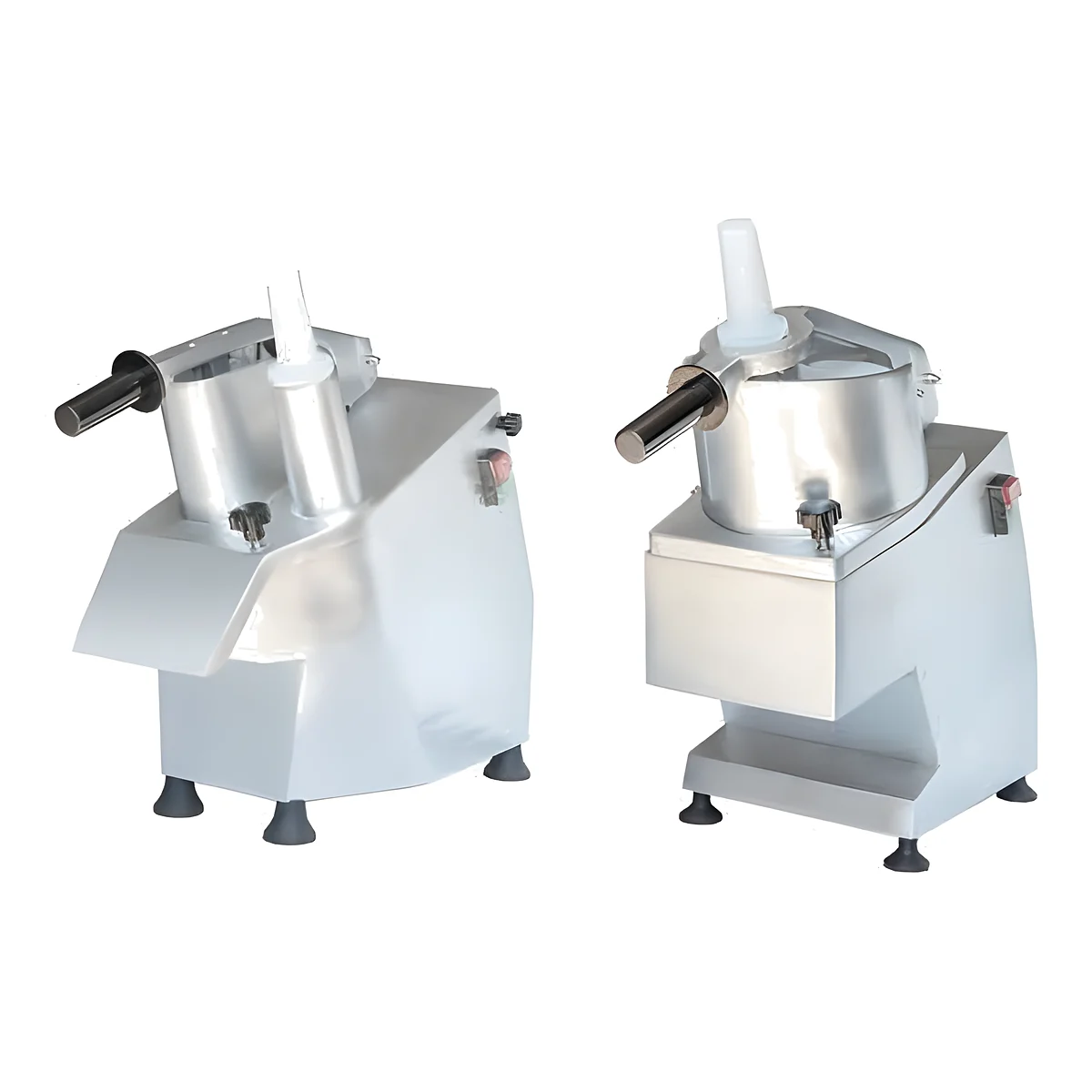
A kitchen buying a vegetable cutter rarely needs one uniform pile of vegetables. It needs particular ingredients in particular cuts, ready at particular times. Write that cutting schedule before using a nominal kilograms-per-hour figure to choose a machine.
Translate the menu into a tooling schedule
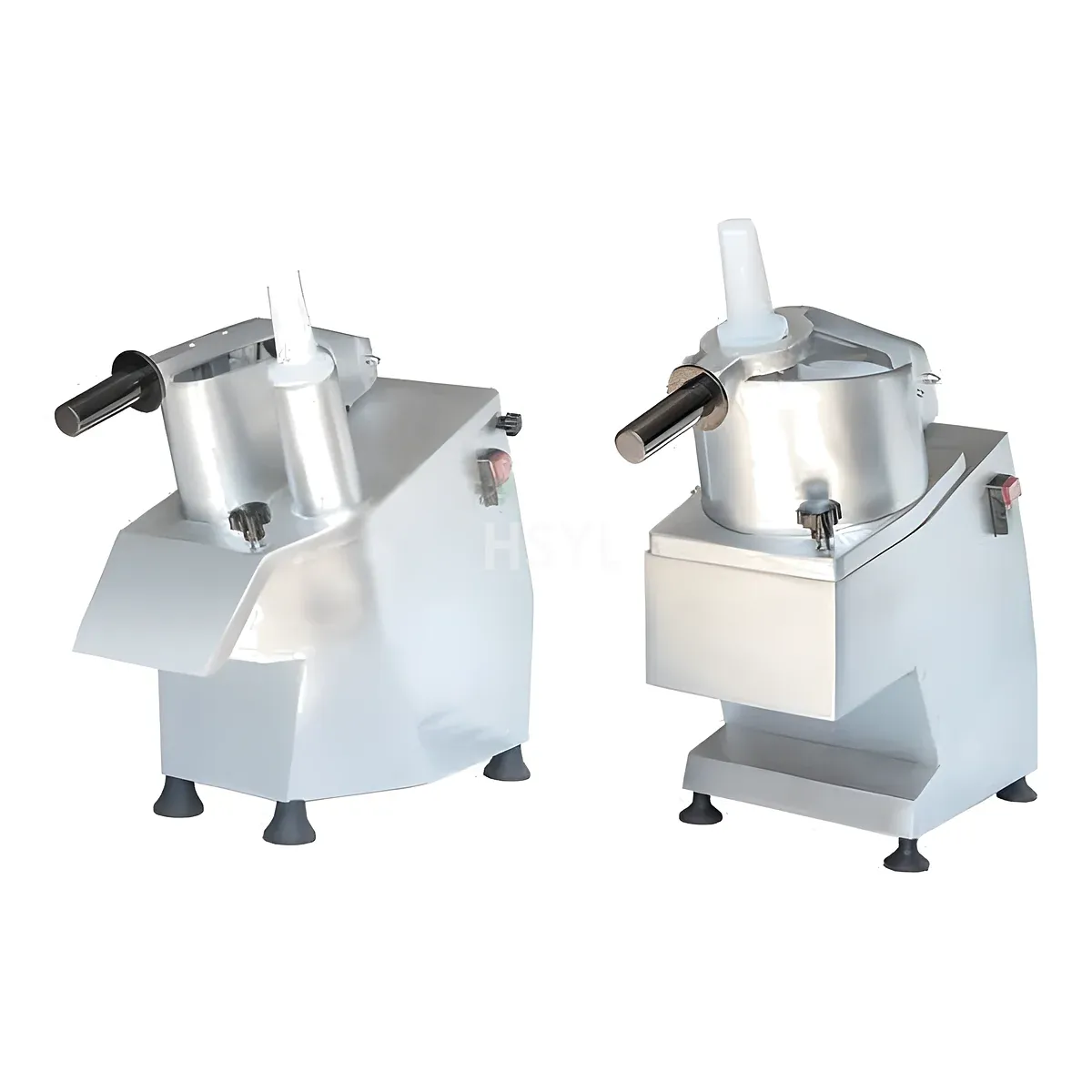
| Menu requirement | What to define before a demonstration |
|---|---|
| Sliced vegetables | Ingredient form, intended thickness and acceptable appearance |
| Shredded or julienne garnish | Required cross-section, practical length and presentation |
| Diced ingredients | Required dimensions and the compatible complete tooling set |
| Chopped mixture | Whether the dish needs a bowl-chopping task rather than a disc-produced shape |
Keep quantities beside each requirement. A photograph of neatly sliced cucumber does not answer a request for diced roots or chopped herbs. Define what the kitchen will accept in the dish, not merely which accessory name appears in the brochure.
The catalogue's HLC and HCV cutter options include distinct disc-cutting and combined slicing/chopping constructions. A chopper bowl capacity is not a continuous-feed output rating. Confirm the exact cutters, grids and other necessary parts for each requested shape; disc count alone does not establish a complete menu capability.
Include preparation on both sides of the cutter
Observe the ingredients as received. Record washing, peeling, trimming and any reduction required to fit the permitted feed arrangement. A larger feed opening may change preparation work, but does not establish that every whole vegetable can be introduced unchanged. Use the proposed machine's allowed product and feed instructions.
On the discharge side, place the actual receiving container and identify who changes it. Leafy cuts and dense diced roots can occupy very different container volumes for the same mass. If a full container blocks continued production, the measured cutting speed does not describe the complete station.
Plan tooling storage and approved changes between cuts. Two similar-looking discs may produce different results, while a dicing task can require a matched set. Have the supplier identify the permitted combination for the actual machine rather than mixing parts from another cutter.
Assess the menu sequence
Run a representative sequence through supplier-led trials using approved procedures. Include setup, ingredient preparation, tooling changes, collection and cleaning between tasks where required by the kitchen's plan. Record usable output for each dish and inspect it after the intended next preparation step, not only immediately at discharge.
Compare the sequence with the time window in which mise en place must be completed. If one task consumes most of the window, investigate that ingredient and cut specifically. Buying a higher headline rate without resolving its feed preparation or tooling may leave the same bottleneck. Select a machine that completes the actual menu sequence with an acceptable result.