Direct Answer / Key Takeaway: Separate tray-position patterns from product and loading changes when investigating uneven convection baking, then send a clear record to the oven service team.
One pale tray does not tell a service technician whether the problem follows a rack position, the product preparation or a changed loading routine. When a convection oven's result becomes uneven, preserve the pattern before adjusting several variables at once. Stop using the appliance if the complaint includes smoke, abnormal mechanical noise or another condition requiring shutdown under its instructions.
Describe what changed in the food
Use precise observations: the left edge of each tray is darker, the upper rail finishes first, or only the final batch has a pale center. Include photographs with the tray's front and rail position identified. A close-up of one pastry without its position loses much of the useful information.
Compare the result with the accepted product standard. Distinguish color from the kitchen's required doneness checks; an attractive surface does not establish that a food process has been satisfied. Record whether the problem affects one product or the whole normal range.
Reconstruct the load
Write down tray type, product spacing, preparation condition, occupied rails and the selected program. Include whether preheating and door opening followed the usual routine. If dough preparation or portion size changed at the same time, retain that information rather than attributing the entire difference to the oven.
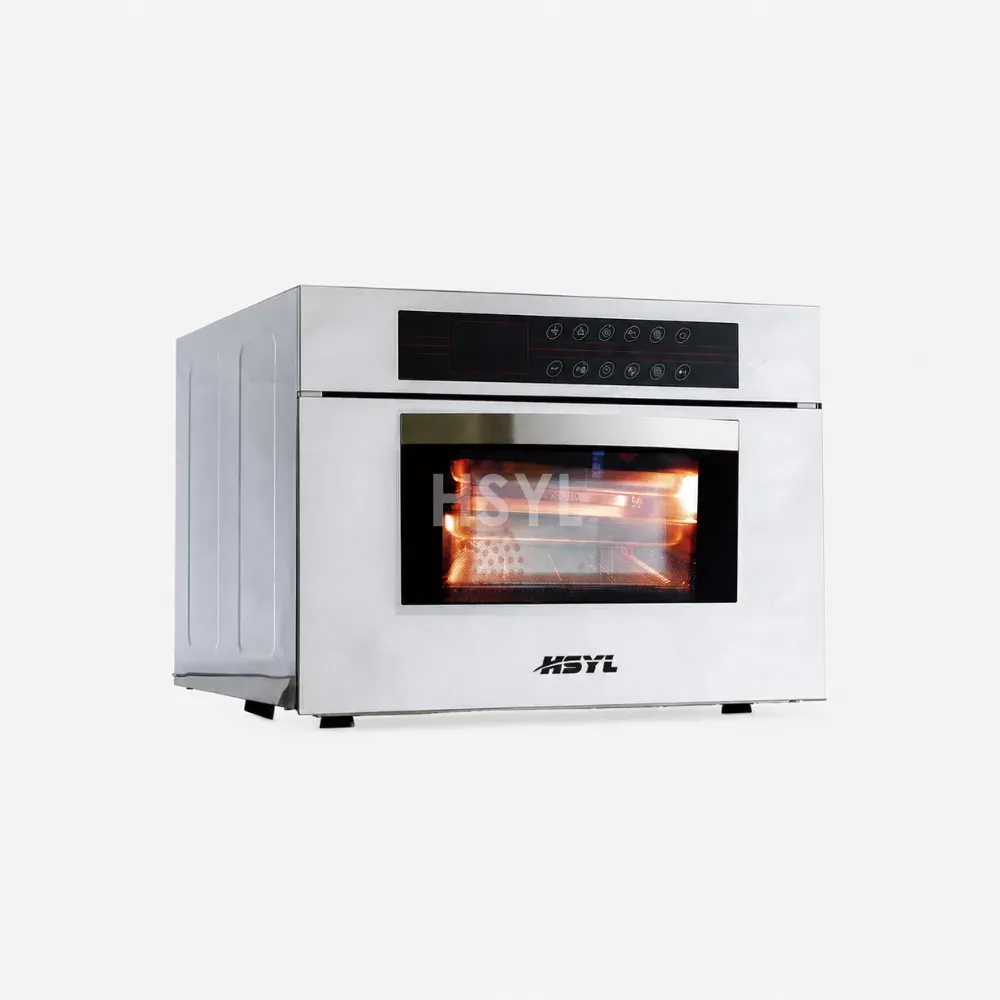
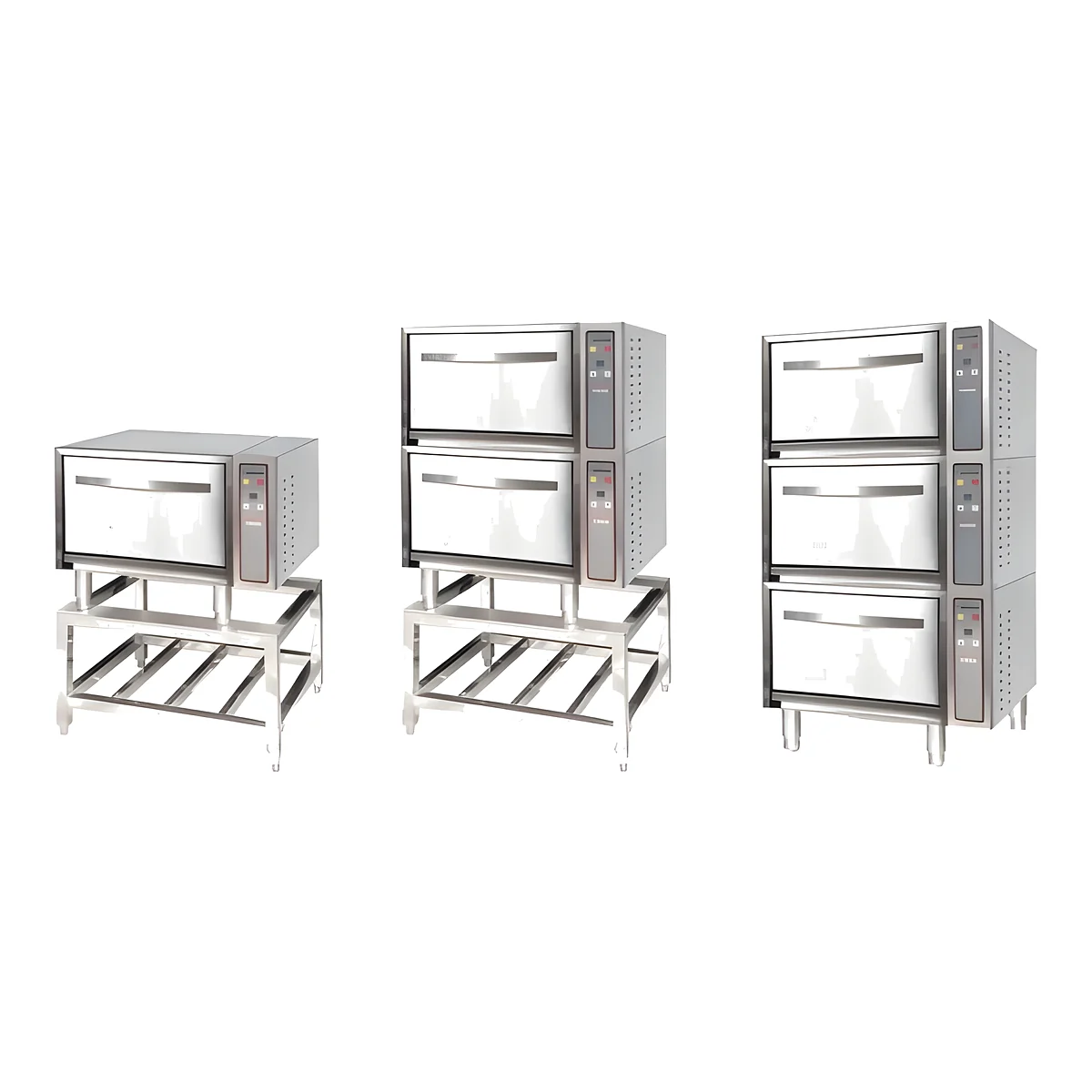
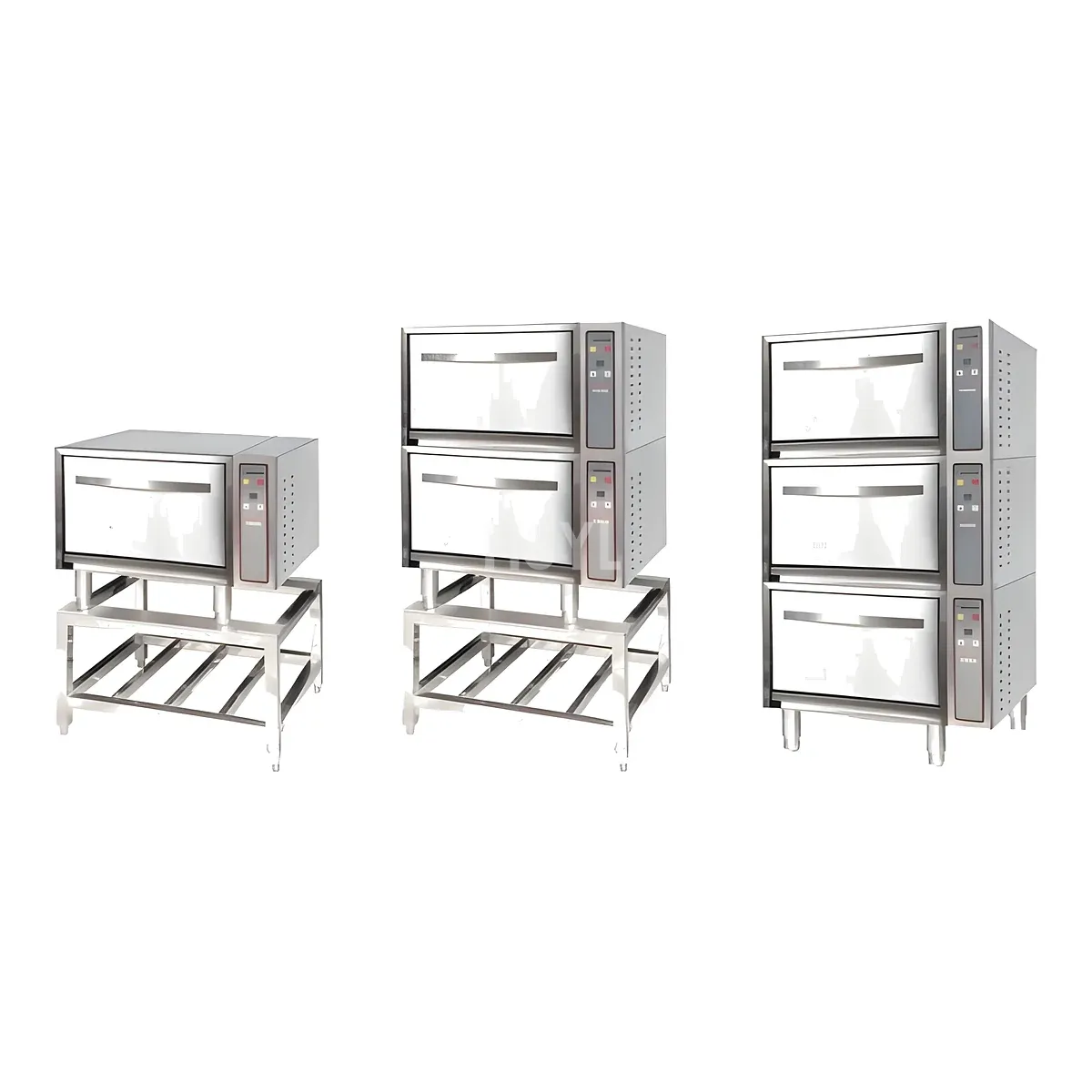
The catalog lists four-tray HKX400/HKX400A and eight-tray HKX800 ovens for 400 × 600 mm trays; the HKX800 entry describes a dual-blower arrangement. Those descriptions identify configurations, but they do not prove that every product can occupy every rail with identical results. Refer to the baking load assessment when checking whether the current load matches the one originally accepted.
Use only permitted comparisons
If continued operation is appropriate, agree a controlled comparison with the responsible baker and supplier. Keep the recipe, tray and approved loading conditions identifiable. Mark which change is being assessed and avoid repeatedly changing time, temperature, spacing and tray position together. Otherwise an apparent improvement will be difficult to reproduce.
Check visible obstructions and removable parts only through the manufacturer's operator instructions. Do not remove fan guards, bend air baffles or apply lubricant to an assumed fan-bearing point. A changed airflow pattern may need professional investigation; the observation does not authorize an internal repair.
Send a record that can be acted on
Provide the model and serial identity, full program settings, load map, photographs and when the issue began. Include permitted cleaning or accessory changes made beforehand. If a display message appears, photograph its exact wording instead of assigning a code meaning from a different oven family.
Use the service and maintenance process to agree the next action and any operating restriction. After an authorized correction, repeat the agreed product assessment and retain the result. This closes the original complaint without claiming that a single tray photo proved a fan, heater or sensor failure.