Direct Answer / Key Takeaway: Check the actual dishwasher‘s water path, rinse events and inlet conditions before accepting a compact booster heater‘s storage and recovery duty.
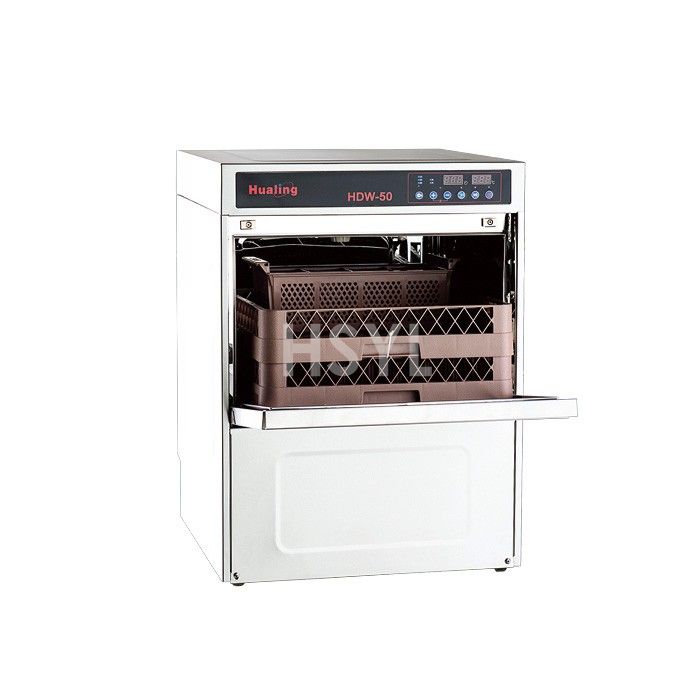
A compact booster can fit beneath a dishtable without supporting the intended succession of rinse events. Start with the actual dishwasher and its water path, then ask the heater supplier to demonstrate the proposed pairing at that duty.
Obtain the washer's applicable connection and operating information. Establish what the booster supplies: final rinse, initial filling or another explicitly supported use. Do not assume that every litre entering the washer passes through the booster, or that a booster intended for rinse can also serve an unrelated kitchen draw.
Draw the busiest actual sequence
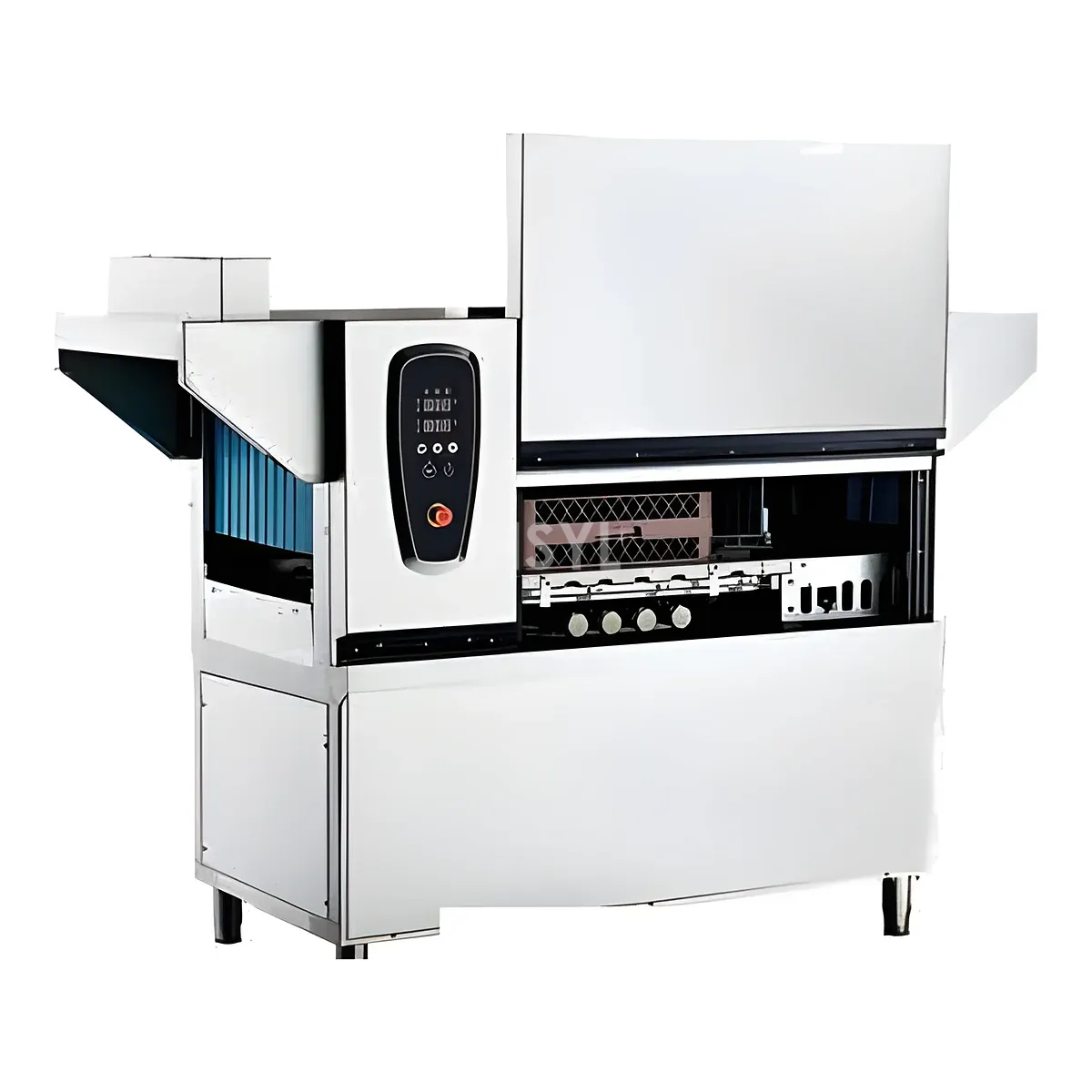
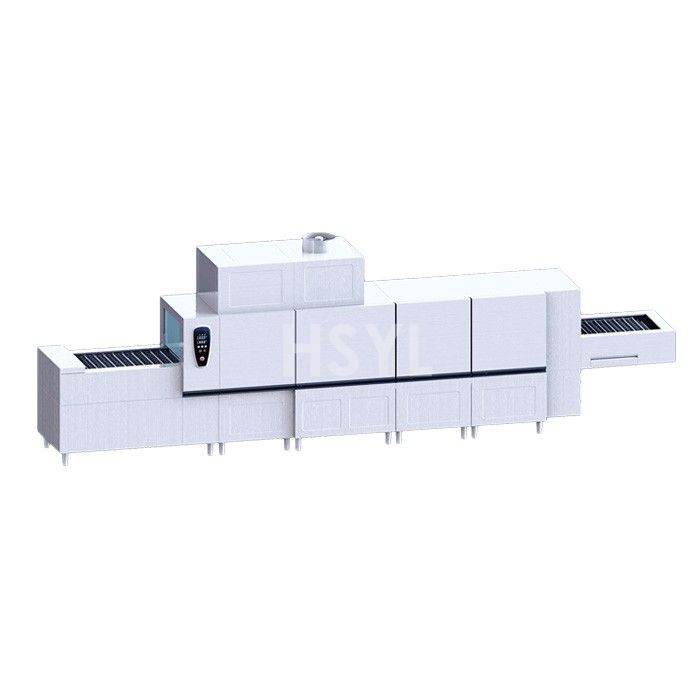
For a batch washer, mark when water is drawn, the quantity required by that event and the interval before the next draw. Include initial filling if it actually uses this route. State the selected washer programme and any supported changes in consumption. A rack-per-hour headline can hide short, closely spaced water demands.
Define the lowest incoming water condition that the primary supply can actually maintain during this sequence. Obtain the booster outlet requirement from the supported washer/heater design and applicable process requirements. Their difference is part of the heating duty, not a universal temperature rise taken from a compact-heater label.
Give the supplier the sequence, inlet conditions and required delivery condition together. Ask which part of the demand is supported by stored water and which by heating during operation. Nominal tank volume is not proof that the full stored volume is available at the required condition through repeated draws.
The dishwasher water-supply review also belongs in the pairing: both machines' actual water requirements must be resolved. Hardness treatment and the heater's thermal capacity are different questions.
Assess the pairing through the last intended rack
Agree an authorised commissioning arrangement with suitable measurements and the intended repetition, including start-of-service readiness. Do not check only a hot tank before the first cycle. Preserve inlet and delivery conditions at the relevant water events, and verify the washer's required process by its own method.
If later events are unsupported, resolve the primary supply, heater selection or operating sequence with the responsible parties. Do not treat longer staff waits, a higher setting or a reduced rinse as an accepted capacity upgrade. Purchase the supported washer/heater combination and sequence, rather than a compact tank with an assumed kW figure.