Direct Answer / Key Takeaway: Keep ware locations and processing status identifiable during an abnormal flight-line stop while authorised staff resolve the equipment condition.
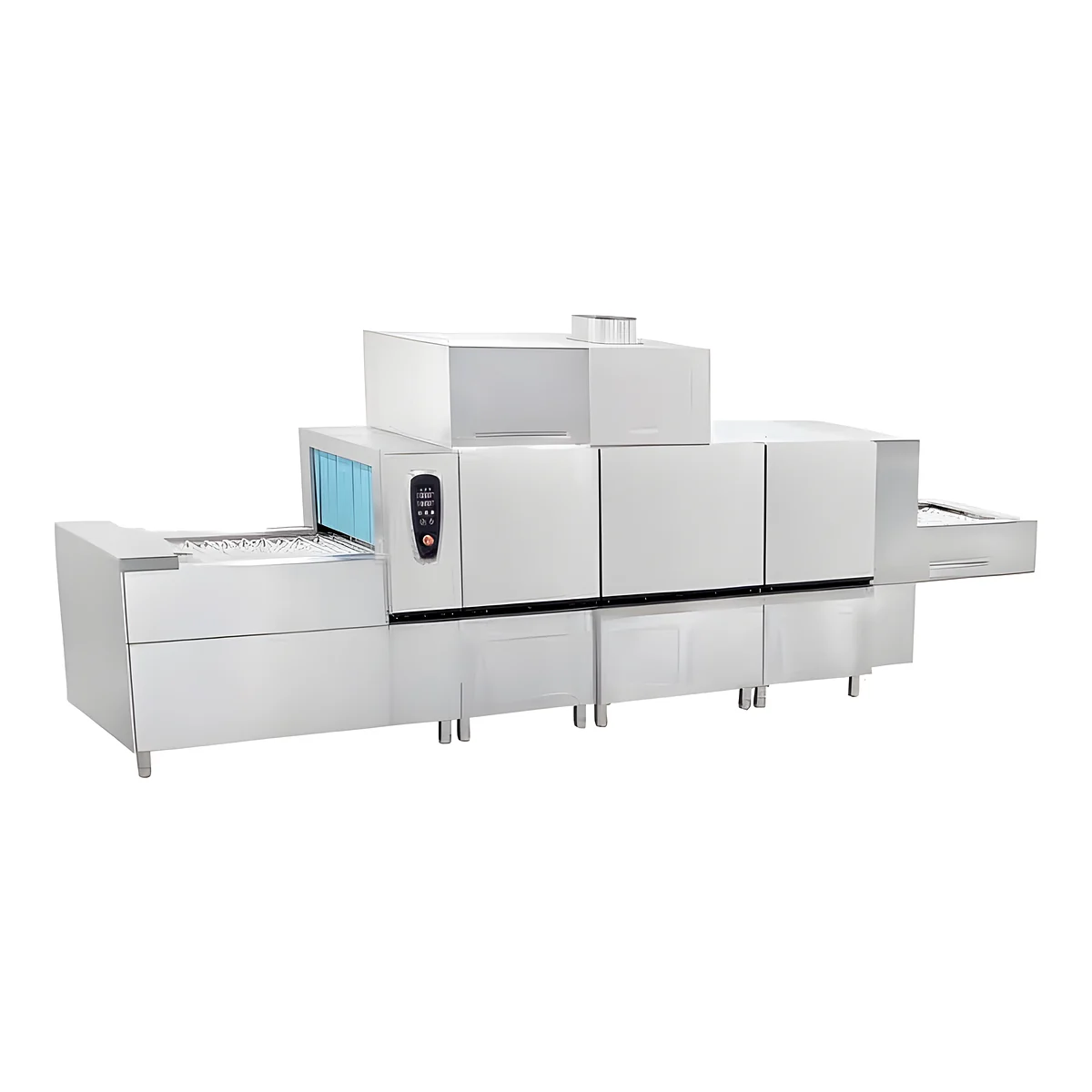
An abnormal stop on a flight line leaves ware at different points in the process. Manage that processing status alongside the equipment response; clearing a transport obstruction does not establish that every item on the belt has completed the required process.
Use the installed machine's actual stopping and emergency procedure. Keep people clear of movement and hot media and arrange the required restriction/isolation through trained responsible staff. Do not reach into the line, force the belt, adjust a clutch or assume reverse operation is a safe generic recovery method.
Preserve the stopped-line picture
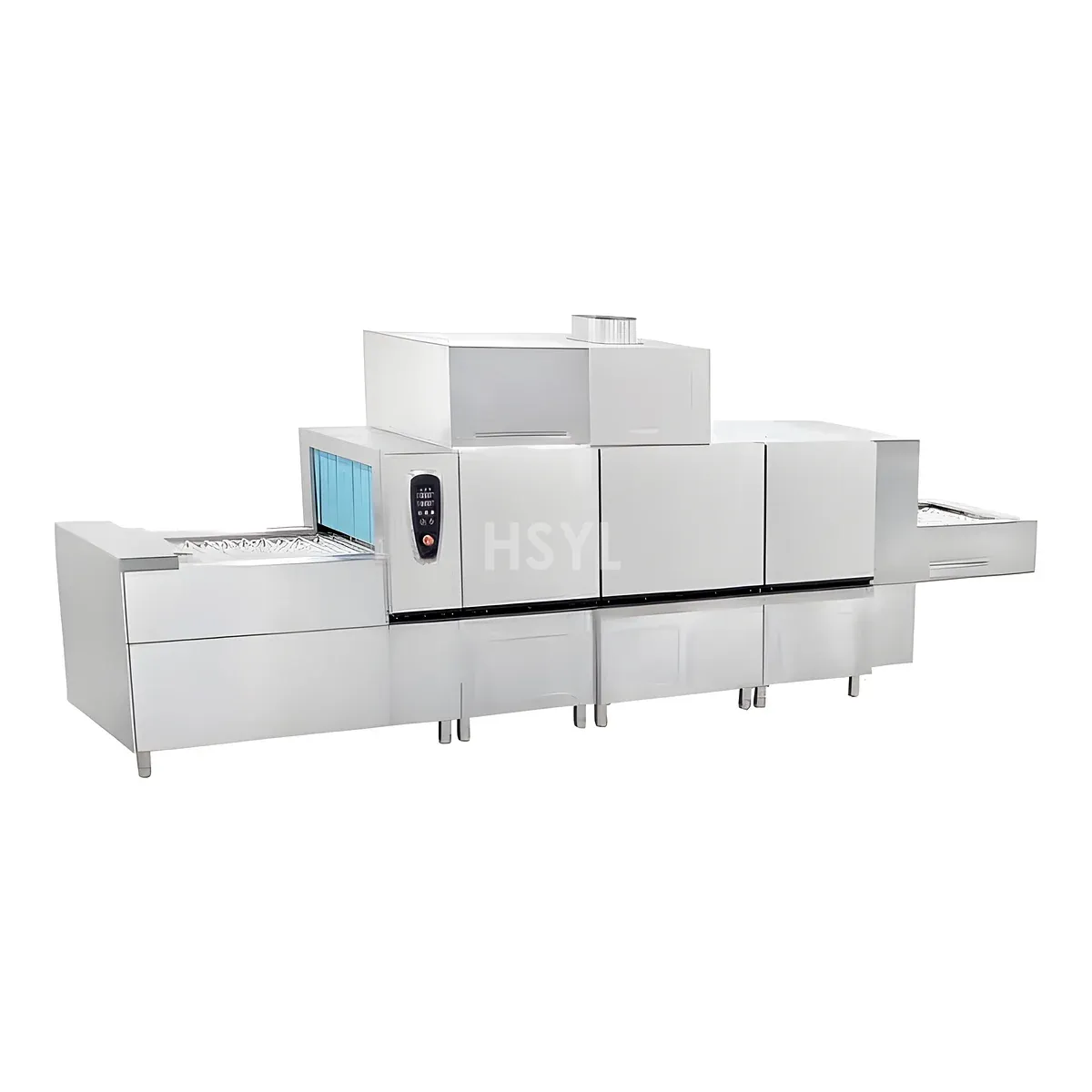
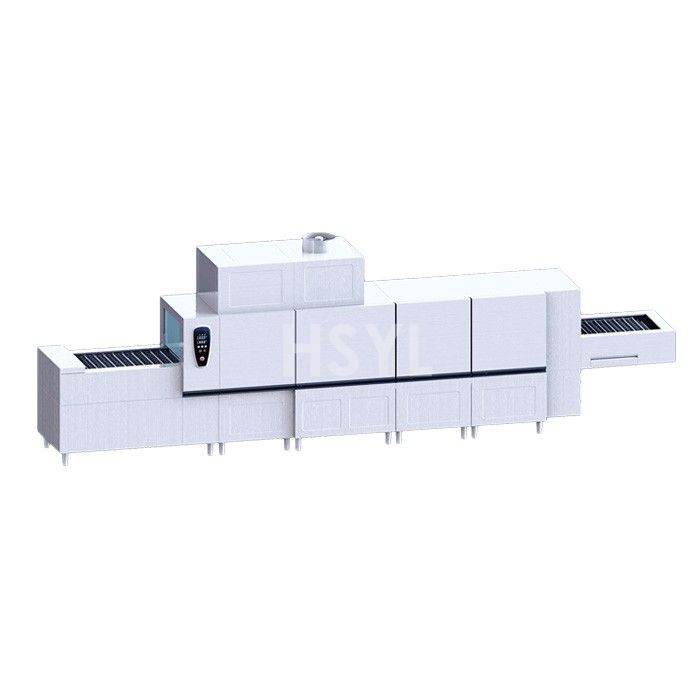
From permitted observations, identify the event time, displayed state and where ware was located along the actual feed direction. Distinguish items still awaiting processing, items in the tunnel and items already at clean discharge. Where individual boundaries are uncertain, preserve that uncertainty for the responsible process decision.
Identify the actual ware involved in the event and any known recent loading or component change. A piece contacting a curtain is not proof that removing the curtain is an acceptable repair. Keep the actual configuration identifiable for authorised service.
Use the flight-conveyor stop and recovery instructions request to obtain the specific control, access and restoration procedure. A manufacturer may provide a specialised recovery function under restricted conditions; that does not make the function present or suitable on another machine.
Resolve equipment and ware as separate decisions
Authorised service should identify the actual condition and complete the approved repair, refitting and protective-function checks. Any movement during the work belongs to the specific permitted method and competent roles. Do not give operators a universal tension, torque or clutch-reset instruction.
The responsible hygiene/process team must determine the treatment of affected ware using the actual required process and incident procedure. Later normal temperatures or movement cannot retrospectively establish the earlier items' exposure and acceptance.
Before routine feeding resumes, confirm the actual machine-ready state, correct component arrangement and permitted restart conditions. Coordinate both ends of the line so a recovered belt does not release unclassified ware into an assumed clean stack.
Explain the restored operating response and the actual disposition of affected ware to the shift team. Keep any unresolved equipment restriction or processing uncertainty visible. The incident is closed only through the applicable equipment and ware decisions, not merely because the conveyor moves again.