Direct Answer / Key Takeaway: Compare rack construction through delivery, authorised assembly, usable load, cleaning access and parts support. Keep freight savings separate from the complete supply cost.
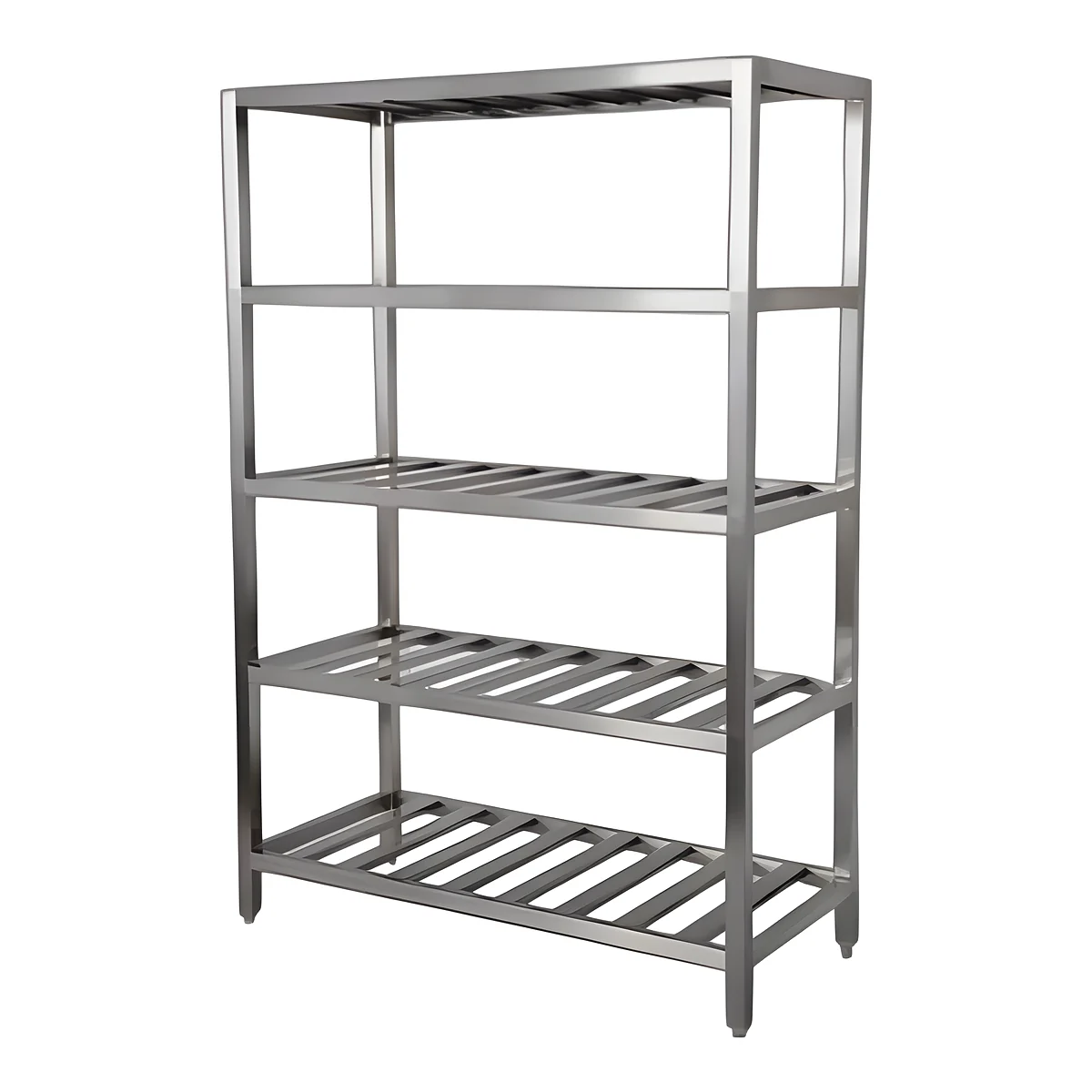
A knockdown pan rack may ship in a different package from a welded rack, but the buying comparison should end with a complete trolley ready for its intended work. Include delivery, authorised assembly, acceptance and support before deciding that one construction is cheaper or more durable.
Compare the same pan task
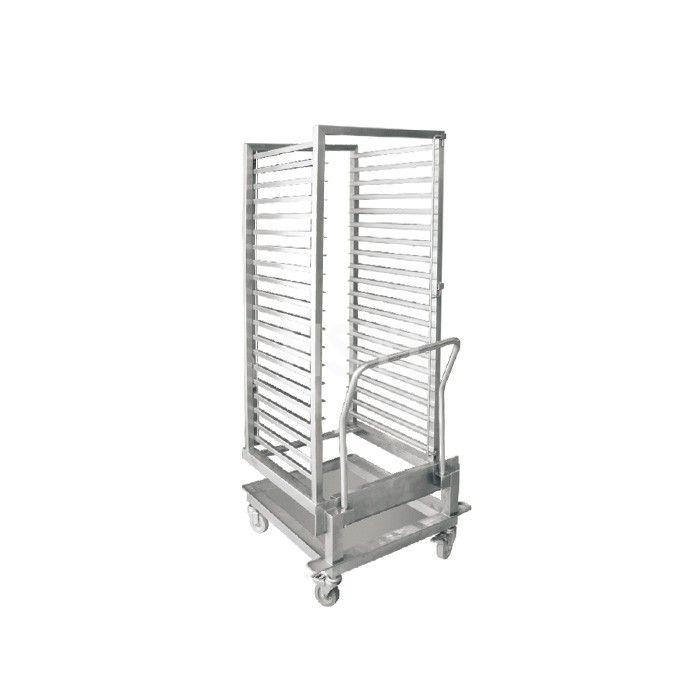
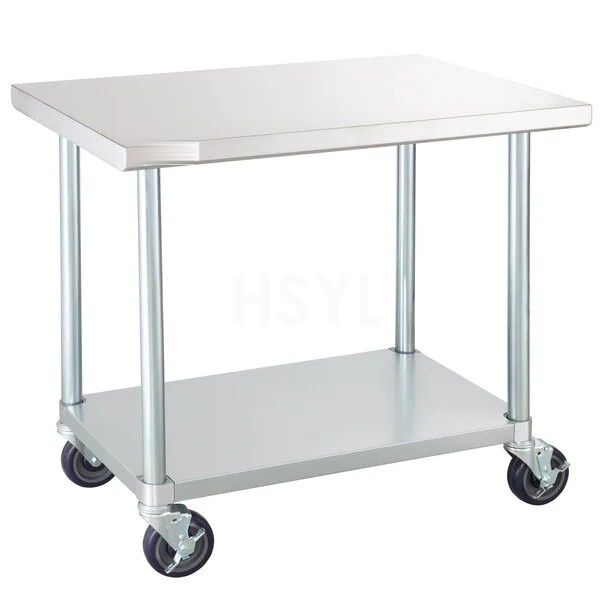
Give both suppliers the intended pans, usable positions, loaded mass and route. Confirm the rated limits and proposed construction for that task. Comparing a lightly specified rack with a higher-rated rack says little about the merits of their assembly methods.
Use actual drawings and samples where available. A welded description does not establish material grade, weld quality or pan fit. A knockdown description does not establish that the joints are suitable or unsuitable. Those details require evidence for the actual design.
Price delivery and assembly separately
Obtain the packing dimensions and shipment mass for the order. Use the actual freight proposal rather than assuming that a smaller-looking carton produces a particular saving. Include site receiving and movement to the assembly position.
For a rack requiring assembly, identify who performs it, the applicable instructions and any required supplied parts or tools. Ask how the completed rack is checked. Do not replace missing instructions with a generic fastening torque or modify a joint to make parts align.
| Cost or task | Evidence for each offer |
|---|---|
| Shipment and receiving | Actual package information and transport quote |
| Assembly where required | Instructions, included components and responsible person |
| Working acceptance | Specified pan fit, rated load and permitted checks |
| Later support | Parts identification and actual service arrangement |
Examine cleaning and inspection access
Review the actual joints, runners and wheel attachments with the intended cleaning process. Ask how the design permits inspection and cleaning, and which tasks require authorised maintenance. Neither assembly method is an automatic hygiene certificate.
The construction and fabrication review should retain the component and joint details that mattered to acceptance. If a supplier changes the construction, review that change against the original task rather than accepting the same broad product name.
Keep later costs tied to evidence
Ask how a damaged runner, wheel or joint is identified and handled under the actual design. Use quoted parts and service information where available. Do not assign a replacement cycle solely from the welded or knockdown label.
Keep the complete comparison with the purchase decision. The best-supported choice is the one whose delivered scope, usable task and support arrangement suit the site. It may differ between a kitchen assembling many racks locally and a site with limited authorised assembly capability.