Direct Answer / Key Takeaway: Check the actual pan, lid and loaded height against runner positions. Count usable pan places and confirm load limits before choosing a kitchen rack trolley.
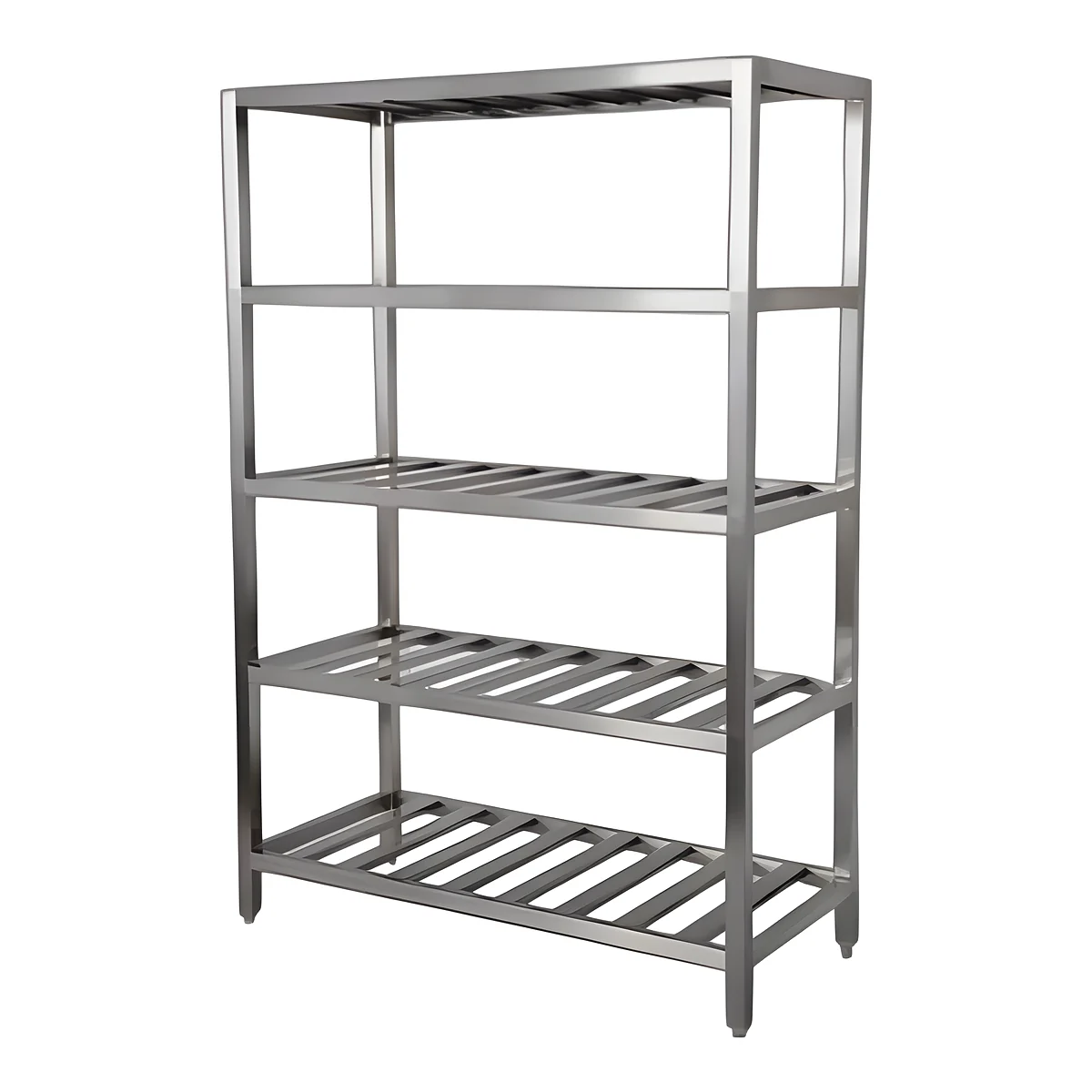
A pan rack advertised with a certain number of runner positions may carry fewer of the kitchen's loaded pans. The useful count depends on the actual pan, lid, food presentation and space needed to insert and remove it. Start with that combination before comparing trolley heights.
Define the pan that has to fit
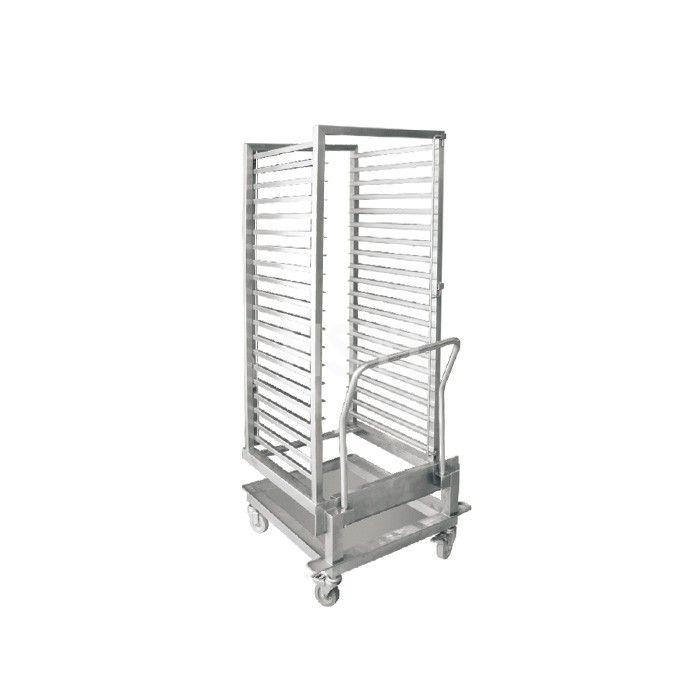
Identify the pan reference, format, depth and rim construction. Include the lid if it is used during the task. Note any handles or fittings that change the occupied space. Keep apparently similar pans separate until their fit has been checked on the proposed rack.
Provide the supplier with a representative sample or confirmed drawing. A GN format description helps identify the container family, but it does not answer every question about a particular rim, lid or runner engagement. The supplier must assess the actual combination being purchased.
Count occupied positions rather than advertised tiers
Place the intended pan arrangement on the supplier's runner drawing. Identify the support position and the space occupied above it, including the lid and the approved food presentation. If a pan prevents use of the next runner, that position is not additional usable capacity for that arrangement.
For an illustrative rack with 20 runner positions, an arrangement using alternate positions would provide ten pan places. This example only demonstrates counting; it does not establish the spacing or permitted load of any product. Confirm the actual drawing and test the intended pans.
Check insertion and removal too
A pan that can be forced into place is not a satisfactory fit demonstration. Ask for normal loading and removal under the supplied instructions. Check that the pan remains properly supported throughout the intended movement and that the next loaded level does not obstruct the authorised task.
Include the operator's access to the upper and lower positions. More nominal positions are not useful if the planned load cannot be handled using the site's approved method. Do not improvise a step or alter a runner to recover a capacity figure.
Keep weight separate from pan count
Confirm the manufacturer's total and any position-specific load limits. Record the actual pan-plus-contents mass and proposed distribution. Ten pans fitting geometrically does not prove the trolley is approved to carry their combined load.
Compare the proposed trolley construction using the same pan and loading task. A general heavy-duty description cannot replace an identifiable load limit and usable-place count.
Retain the accepted pan references, runner arrangement and load conditions with the purchase record. Review a later deeper pan or different lid against that record. This keeps the trolley's capacity tied to the kitchen's actual containers rather than to a tier number that meant something different in the supplier's demonstration.