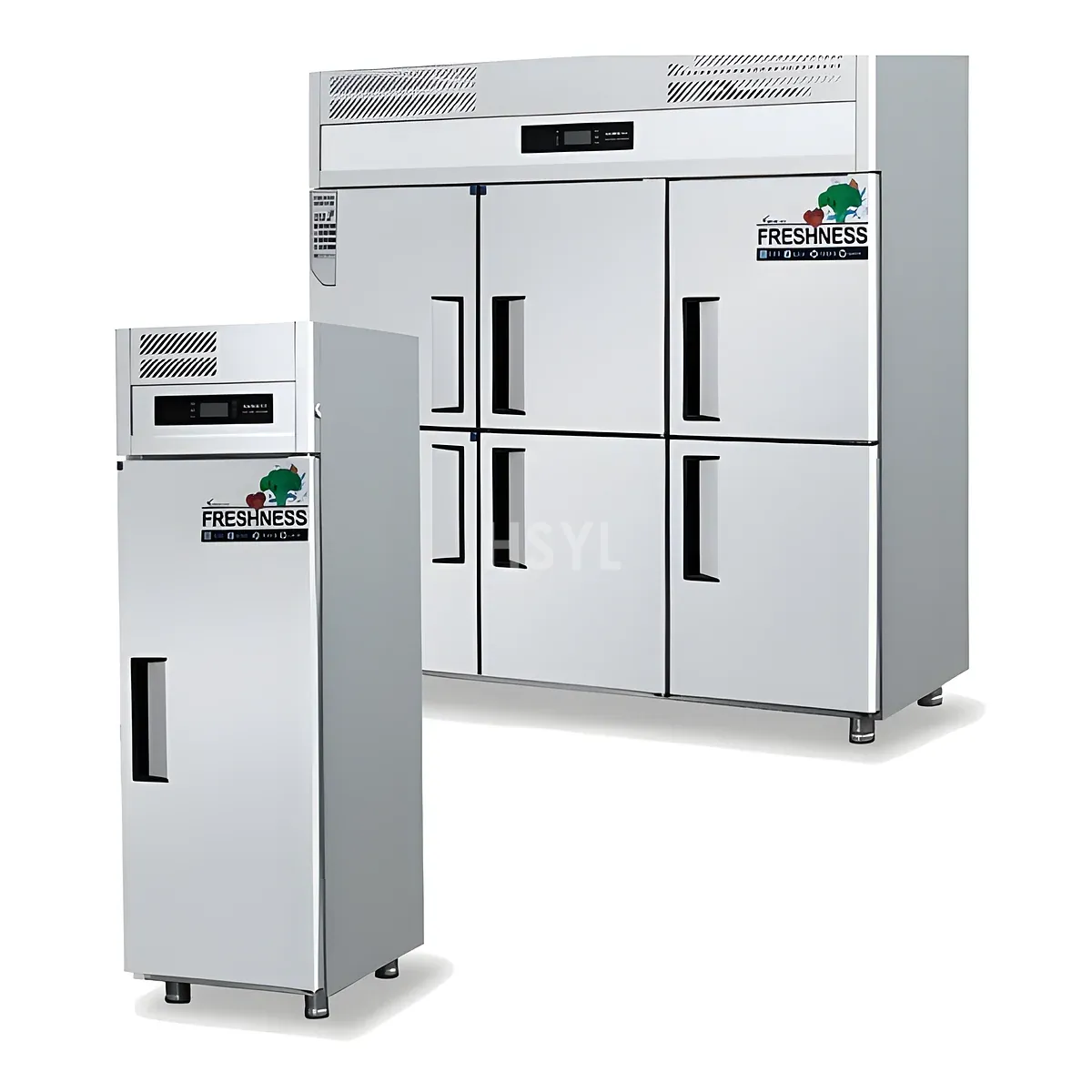
Direct Answer / Key Takeaway: Size a glass-door merchandiser around pack dimensions, usable shelf space and refill intervals. Check door access and chilled display duties before buying.
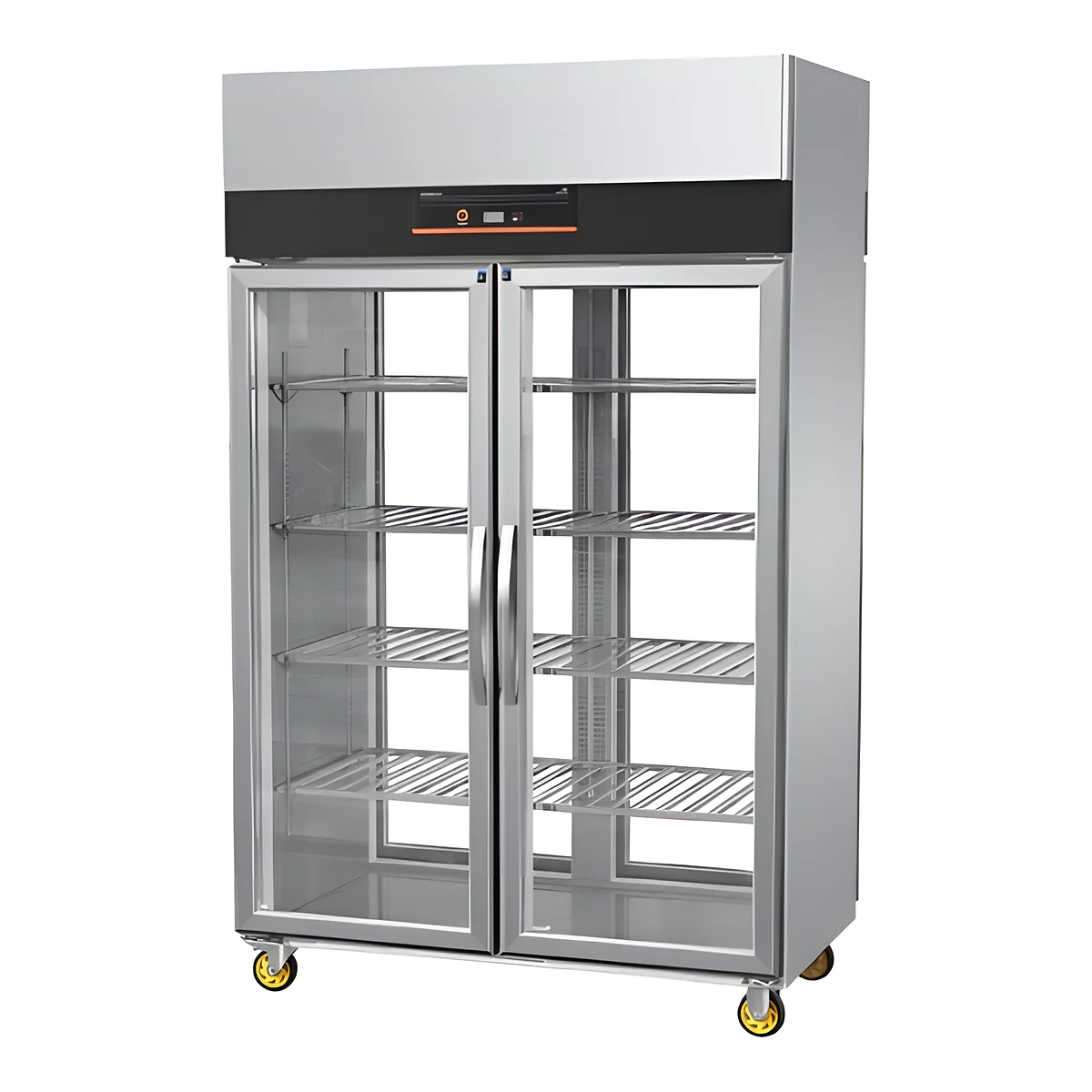
A display cooler can have enough advertised litres and still run out of the drink customers want. The purchasing decision starts with the packs that must be visible and the time between refills. Gross cabinet volume alone cannot tell you how many saleable units fit on accessible shelves.
Build a shelf plan from the actual packs
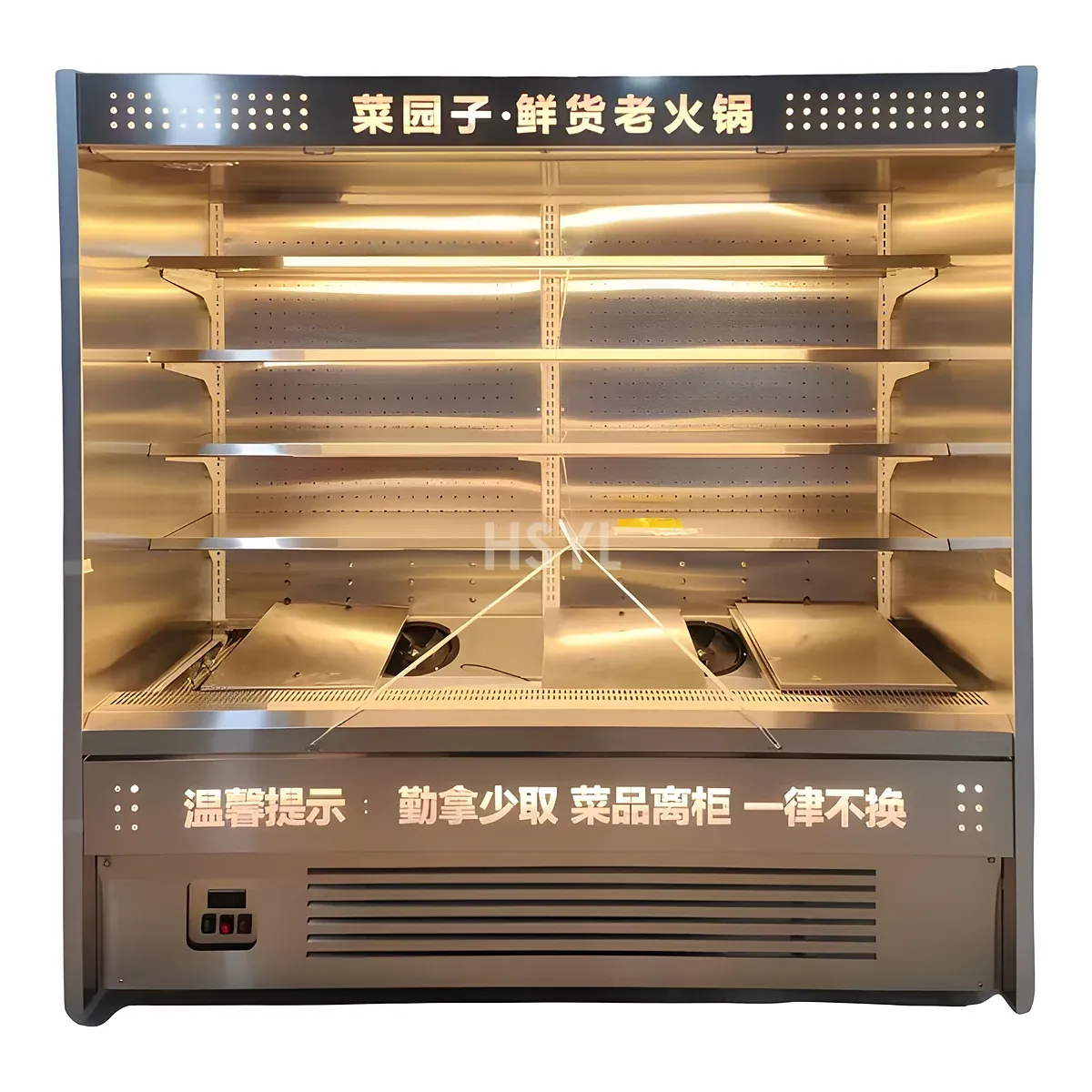
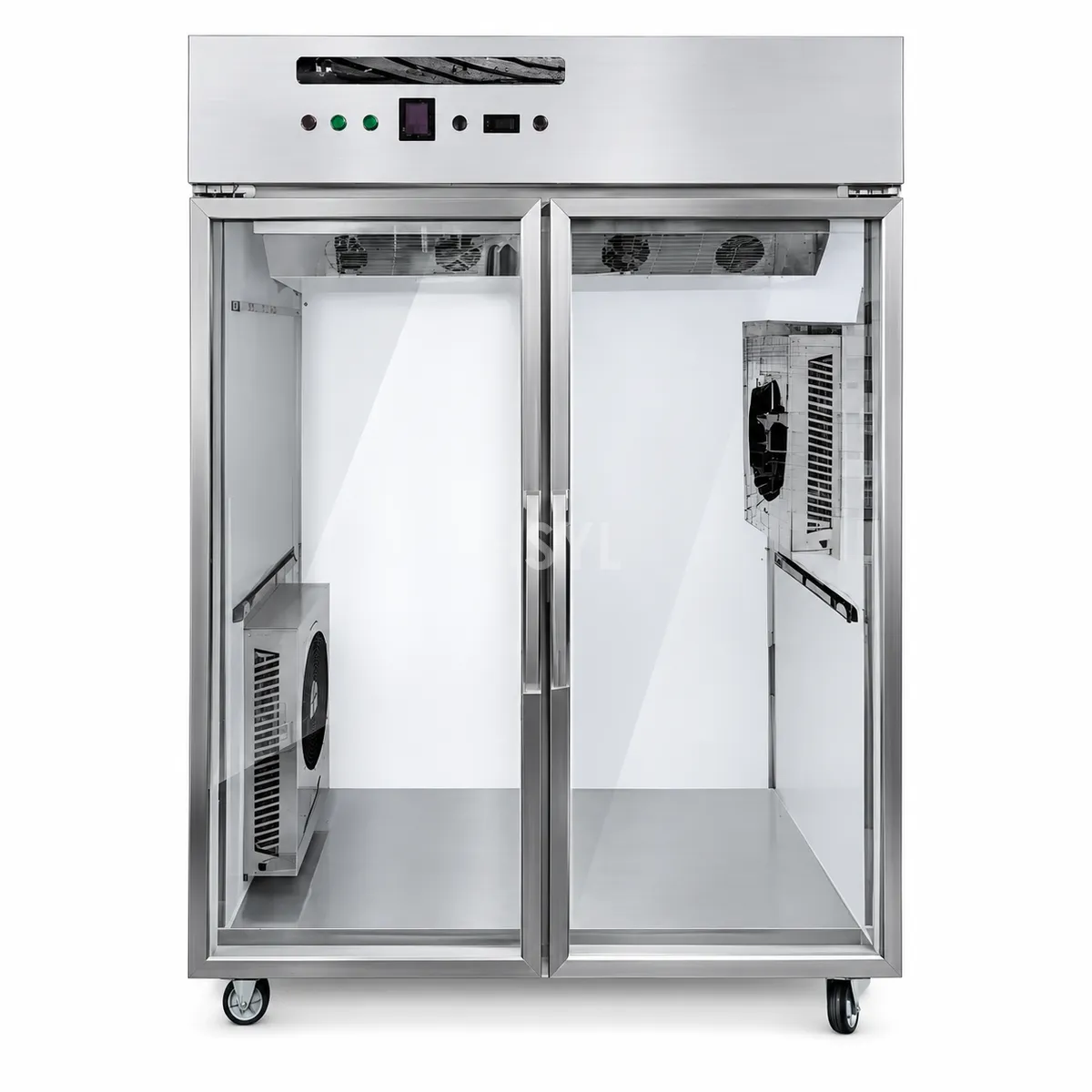
List each bottle, can, carton or wrapped item by its outside width, depth and height. Include caps, handles and packaging that protrudes. Decide how many front-facing positions each product needs before calculating depth. A slow seller may need one visible position; a fast seller may need several. Those are merchandising choices, not refrigeration ratings.
Then use the supplier's internal drawing to mark shelf supports, evaporator covers, lighting, door mullions and any loading limits. Measure usable shelf width and depth rather than the external cabinet dimensions. Keep the loading boundary and ventilation spaces required by the selected cabinet. Product pushed beyond that boundary is not extra usable capacity.
| Input | How it changes the selection |
|---|---|
| Pack dimensions and orientation | Determine rows, front facings and shelf pitch |
| Required range of products | May consume front positions before the cabinet is physically full |
| Longest interval between refills | Determines the stock each product must hold through a service period |
| Door opening and shelf access | Reveal positions that are awkward to reach or refill |
Convert the plan into a service quantity
For an illustrative layout, six front-facing positions, five packs deep and four suitable shelves give 120 nominal pack positions. This is counting arithmetic, not a capacity claim for an HSYL model. It assumes the selected packs actually fit, shelf loads are acceptable and none of the positions obstruct required air paths. A physical shelf trial can reduce the count.
Compare the resulting positions with sales during the longest refill gap. If a particular beverage sells 36 units before staff can restock, allocating it ten positions creates a predictable shortage even when the cooler holds other products. Change the product allocation, shorten the refill interval or choose a different display arrangement. Do not automatically buy a larger cabinet to solve an allocation problem.
Use the capacity planning resources to separate daily totals from the demand that occurs during one uninterrupted service window.
Check the customer side and the refill side
Sketch the door at its normal open position. Check whether a customer blocks an adjacent display, whether a door can remain open while a shelf is refilled, and whether the top and bottom shelves are practical for the intended users. A cabinet with a larger external footprint can produce fewer convenient selling positions when placed in a narrow aisle.
Specify the temperature duty for the actual displayed products and the conditions under which the cabinet is rated. A beverage display application should not be treated as evidence that the same cabinet can cool hot prepared food or hold every food category safely. Confirm the product's storage requirements, cabinet operating envelope and receiving procedure separately.
What to send with the quotation request
Send a pack list, a proposed shelf allocation, expected withdrawals between refills, the available location and the intended product temperature duty. Ask for a marked internal loading drawing and a door-clearance drawing. When comparing the available refrigerated cabinet types, assess the same pack schedule in each cabinet. This produces a buying comparison based on usable display positions rather than an impressive but unrelated litre figure.