Direct Answer / Key Takeaway: Identify the supplied faucet, mixing arrangement, controls and connections so plumbing and electrical work match the actual sensor handwashing station.
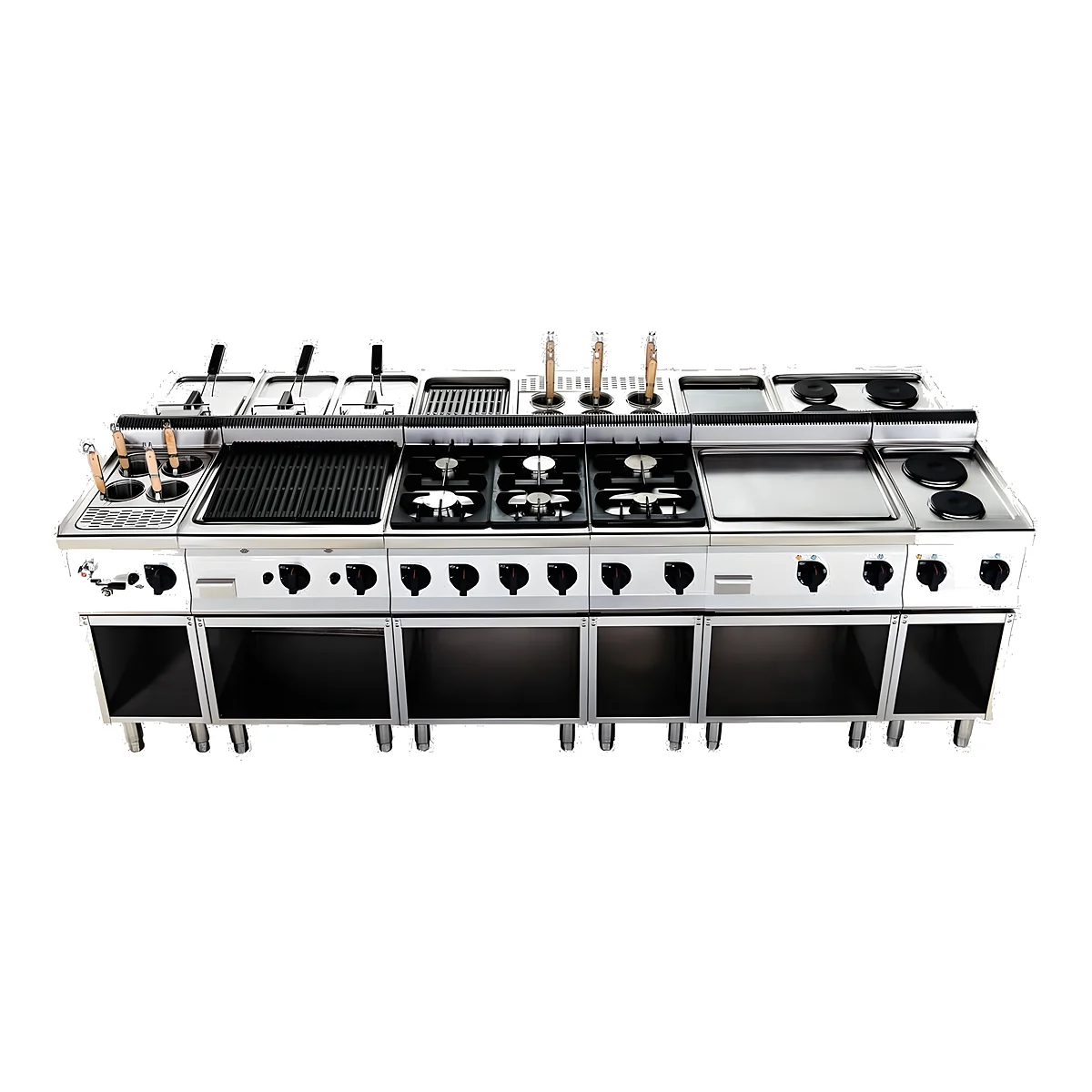
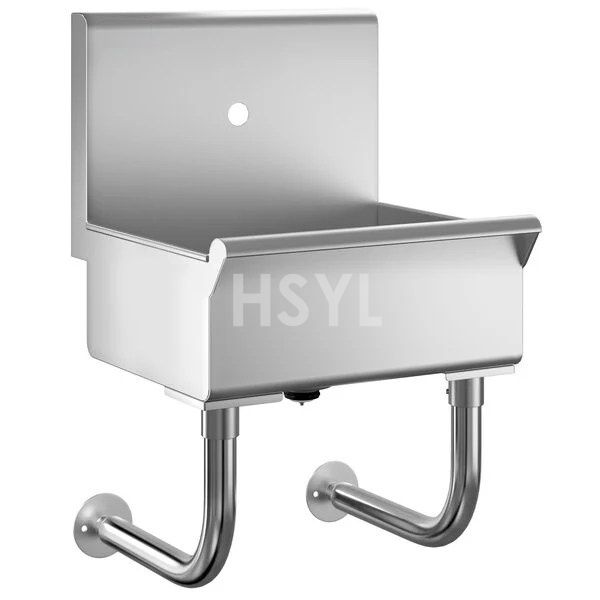
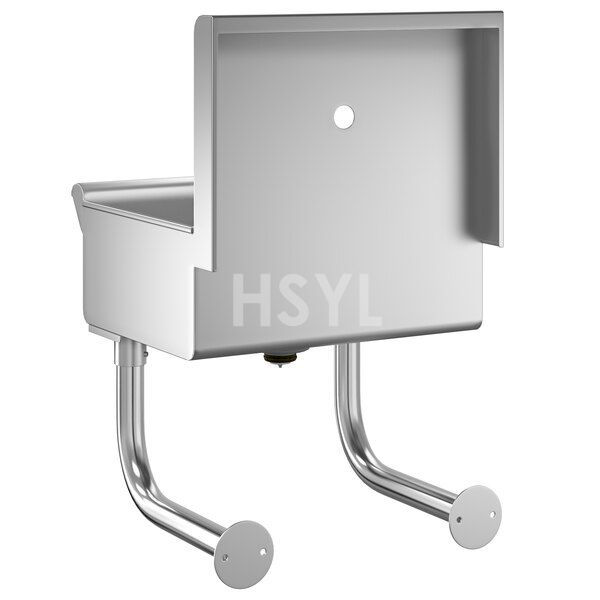
A sensor handwash sink is an assembly of the bowl, faucet, water control and any power components. Identify what is actually supplied before issuing plumbing or electrical work. The words 'hands-free sink' do not establish a thermostatic valve, battery type or drain connection.
Obtain the offered station's drawing and the instructions for the faucet and any separate mixing device. Ask the supplier to mark which components are factory supplied, which arrive loose and which are by the site contractor. Include the mounting, isolation and maintenance access each requires.
Trace the interfaces to the point of use
| Interface | Question for the responsible installer |
|---|---|
| Incoming water | What supplies, permissible conditions and accessible isolation does the actual assembly require? |
| Mixing or tempering | Which device is supplied, what does it control, and how is the required outlet-water condition established? |
| Flow control | Where are the operating valve and any approved strainer, regulator or outlet device? |
| Power | Is the delivered variant battery, adapter, hardwired or another arrangement, and what is included? |
| Drainage | How does the bowl connect to the site's approved waste design with service access preserved? |
Keep an ordinary mixing device distinct from a thermostatic control. Have the plumbing designer verify the arrangement against the project's water conditions, intended handwashing duty and applicable local protection requirements. Do not label a tee fitting as temperature protection or select a setting from another faucet's leaflet.
Where electrical power is required, have the competent electrical party coordinate the actual supply, component locations, protection and isolation. Identify the low-voltage connections and routing from the matching instructions. A controller's output rating does not describe the building-side supply, and a generic transformer should not replace the specified unit.
Make the installed assembly maintainable
Show how the assigned person reaches the shutoffs, power component and serviceable parts. Keep hoses and leads supported through the approved arrangement rather than trapped behind a fixed panel. Demonstrate that an access cover can be removed without first disconnecting an unidentified wet connection.
Put the confirmed interfaces in the equipment utility schedule. Have the installers carry out the model-specific preparation, flushing, connection and commissioning, including the required outlet-water and drainage checks. The responsible person should verify the actual washing operation, not merely that the sensor lights up.
Leave the component identities, settings where authorised, isolation locations and support responsibility with the site's installed information. Resolve missing instructions or a substituted part before the station is released for use.