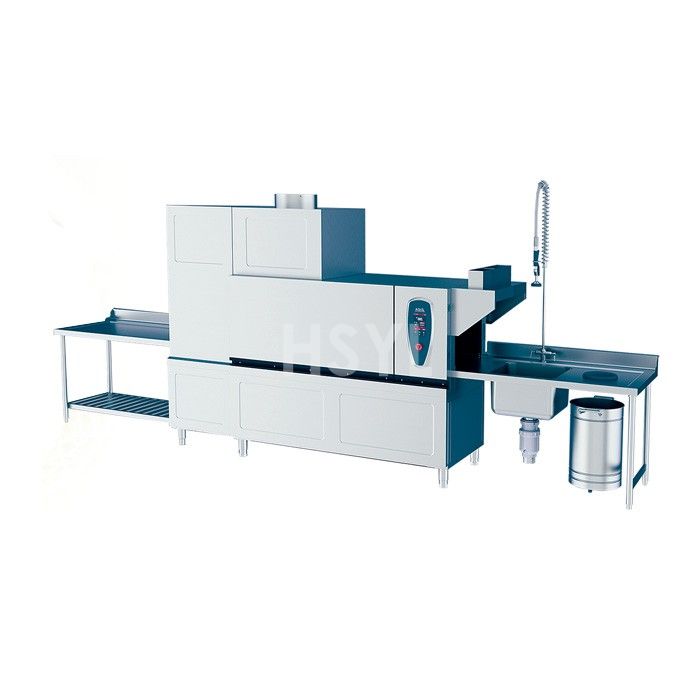
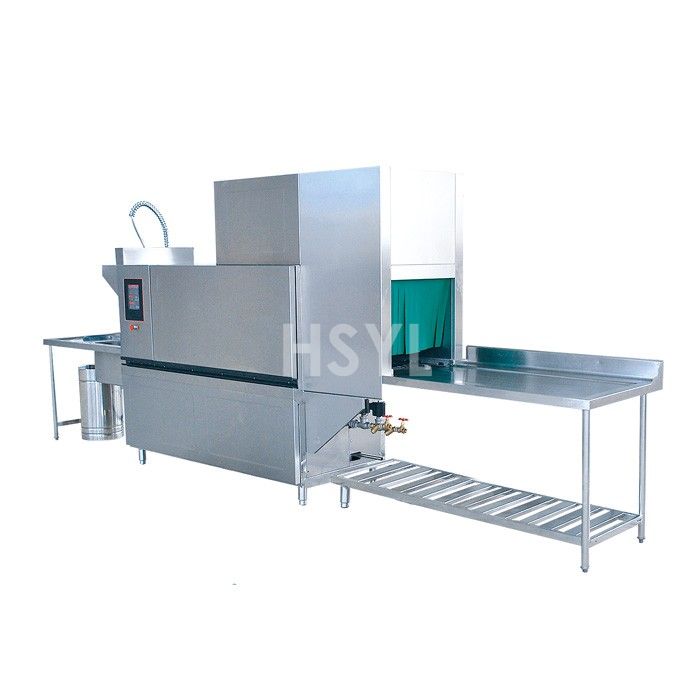
Direct Answer / Key Takeaway: Compare supported rack directions with the actual dirty landing, clean receiving area and operator positions. Check table interfaces before choosing a corner or straight-through layout.
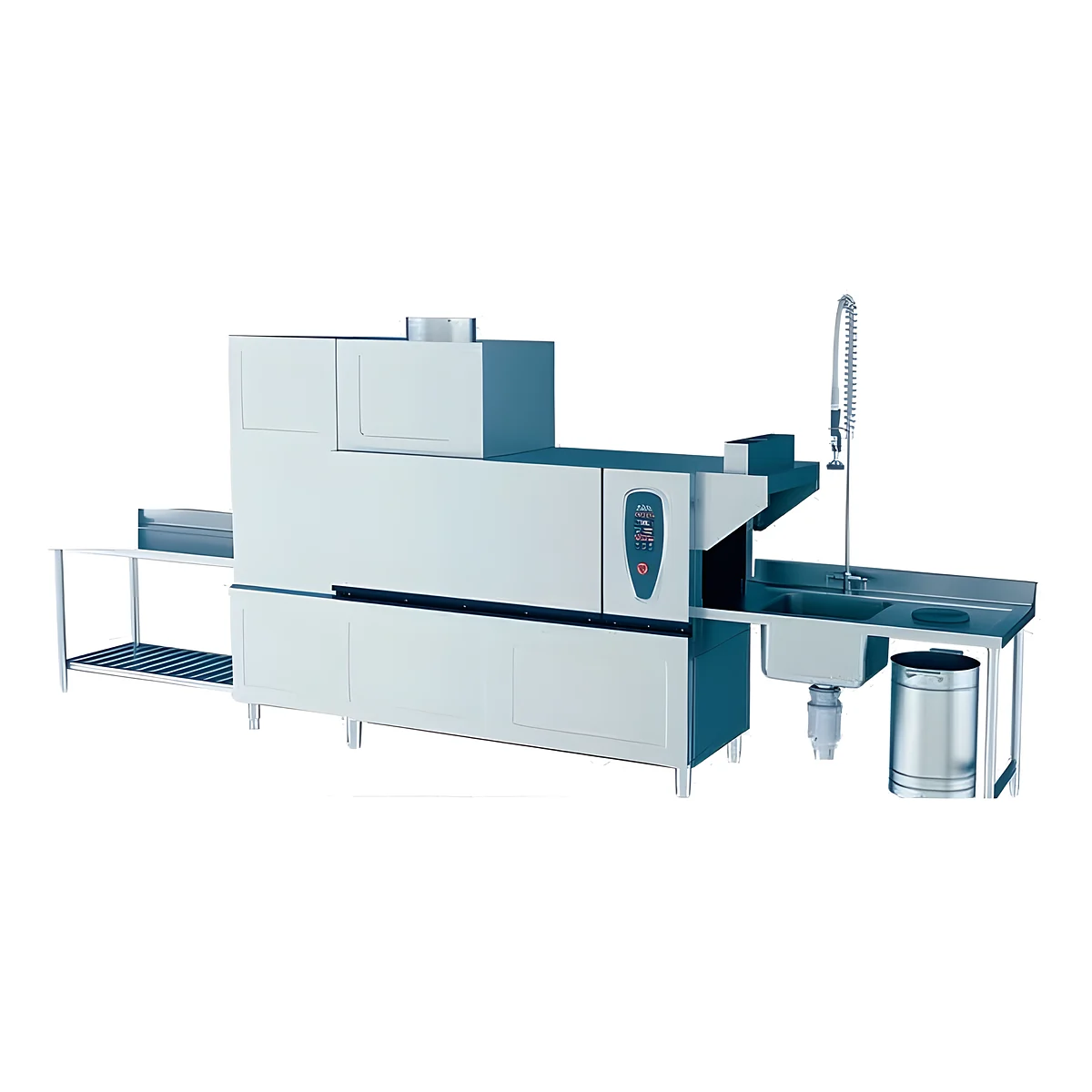
Choose the rack route before choosing the corner. A pass-through dishwasher layout needs a clear sequence from incoming soiled ware to accepted clean ware, with enough usable positions for the people performing the work.
Draw one rack journey
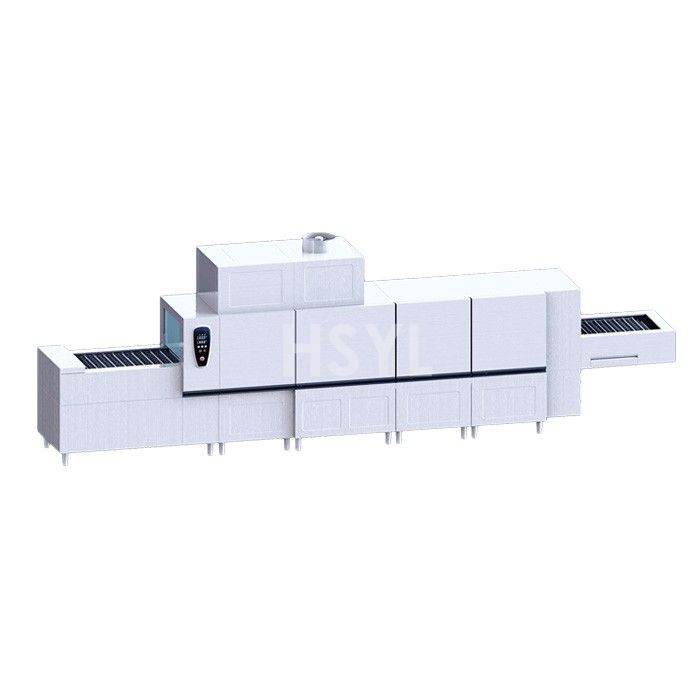
Show the dirty landing, permitted preparation, loaded-rack waiting position, machine entry and clean receiving area. Follow the rack through those points on the actual room plan. Include the returning empty rack rather than stopping the drawing at the clean table.
Then mark operator positions, waste handling and other traffic. A compact corner can bring two tasks close together, but that is not automatically a better arrangement if incoming and outgoing racks compete for the same space.
| Layout question | What to compare |
|---|---|
| Supported rack direction | The actual machine configuration and table connections offered. |
| Occupied station | People, loaded racks, waste handling and receiving movements during work. |
| Access | Controls, hood movement and required cleaning/service positions after installation. |
Confirm the machine before fabricating tables
A general pass-through label does not establish that the supplied model converts between every corner and straight arrangement. Ask the supplier to confirm the exact configuration and matching table details. Keep the control position and any required accessory visible in the accepted drawing.
For a named example, the HOBART AM16 manual, November 2021 describes its own layout arrangements. It does not authorise the same conversion or clearances on an HSYL machine.
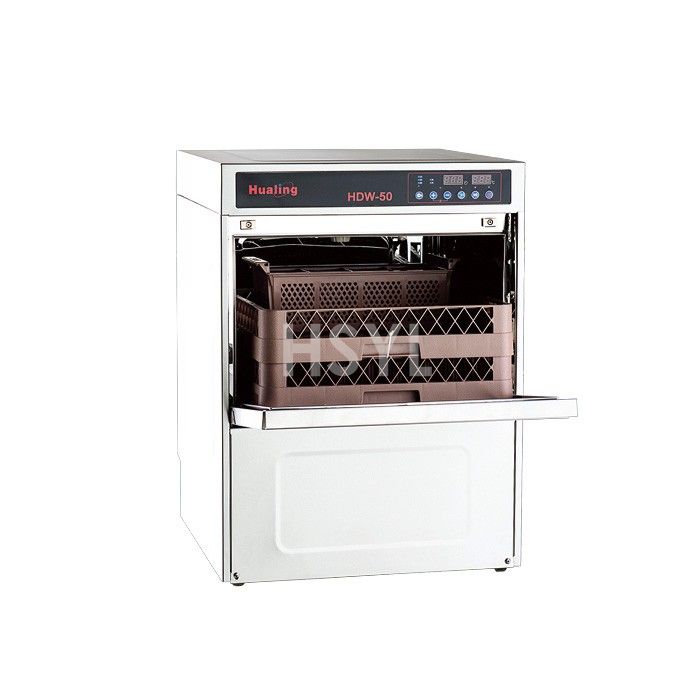
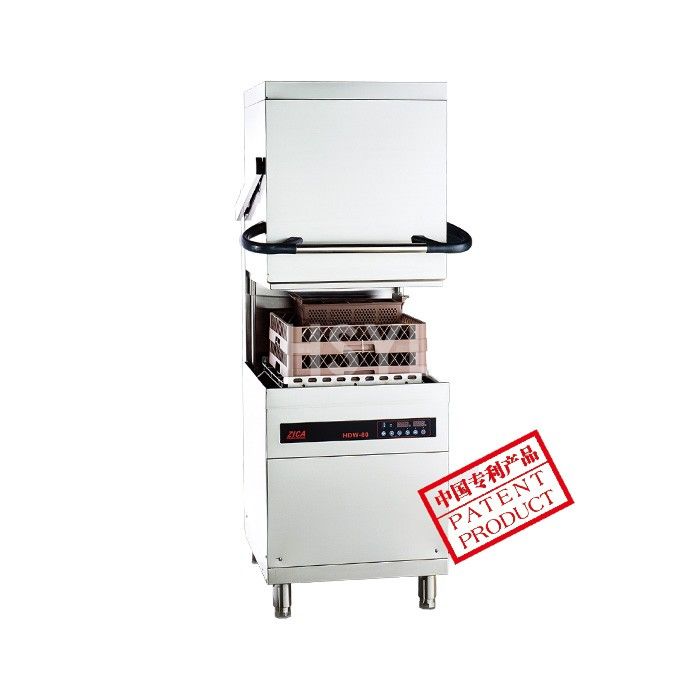
Use the HDW80 hood-type dishwasher as the identified equipment enquiry, then obtain the actual supplier drawing. Net catalogue dimensions cannot replace the complete installed movement and connection information.
Rehearse the intended rack handling with representative occupied positions under an appropriate non-production method. Review dirty and clean movement with the site's hygiene responsibilities, using the cross-traffic review where routes conflict.
Choose the supported arrangement that the station can operate and maintain. If its feasibility depends on moving a doorway or another task, resolve that change before tables are manufactured. A corner saving on plan is not a complete decision when the actual clean-rack destination remains unassigned.