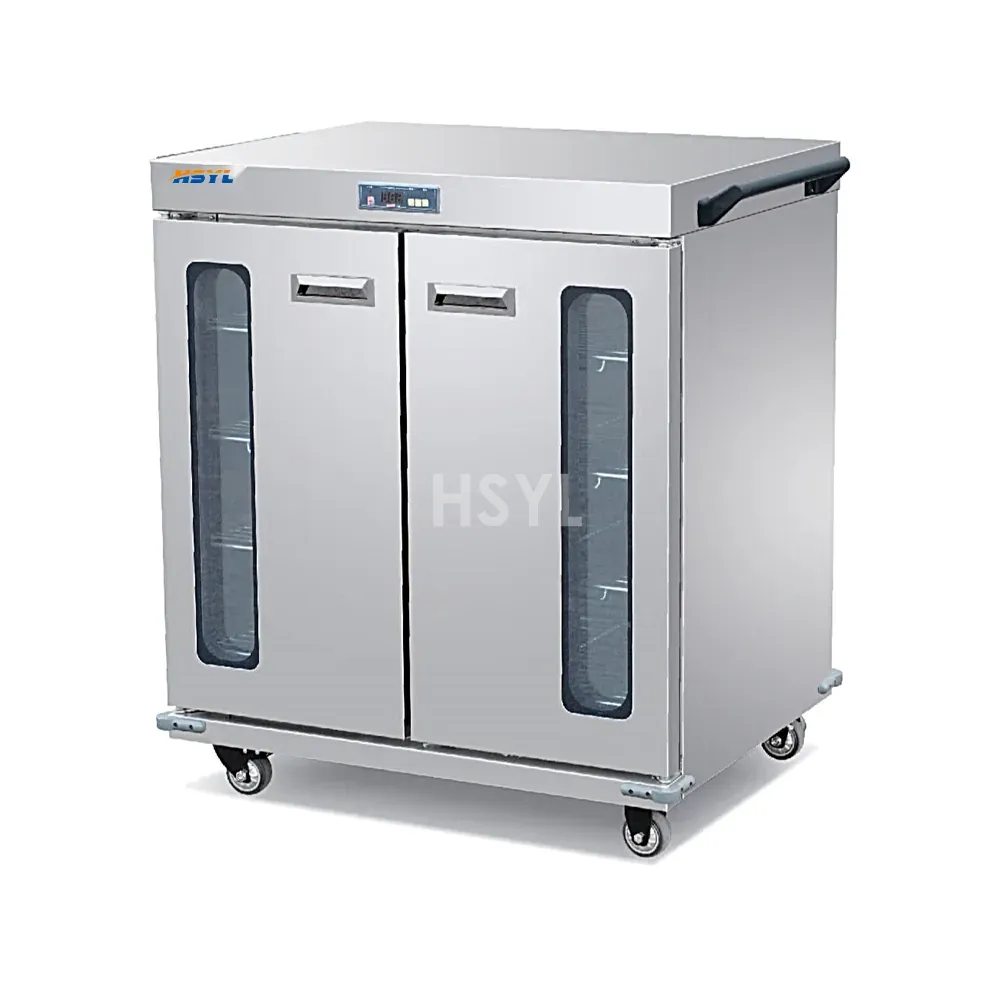
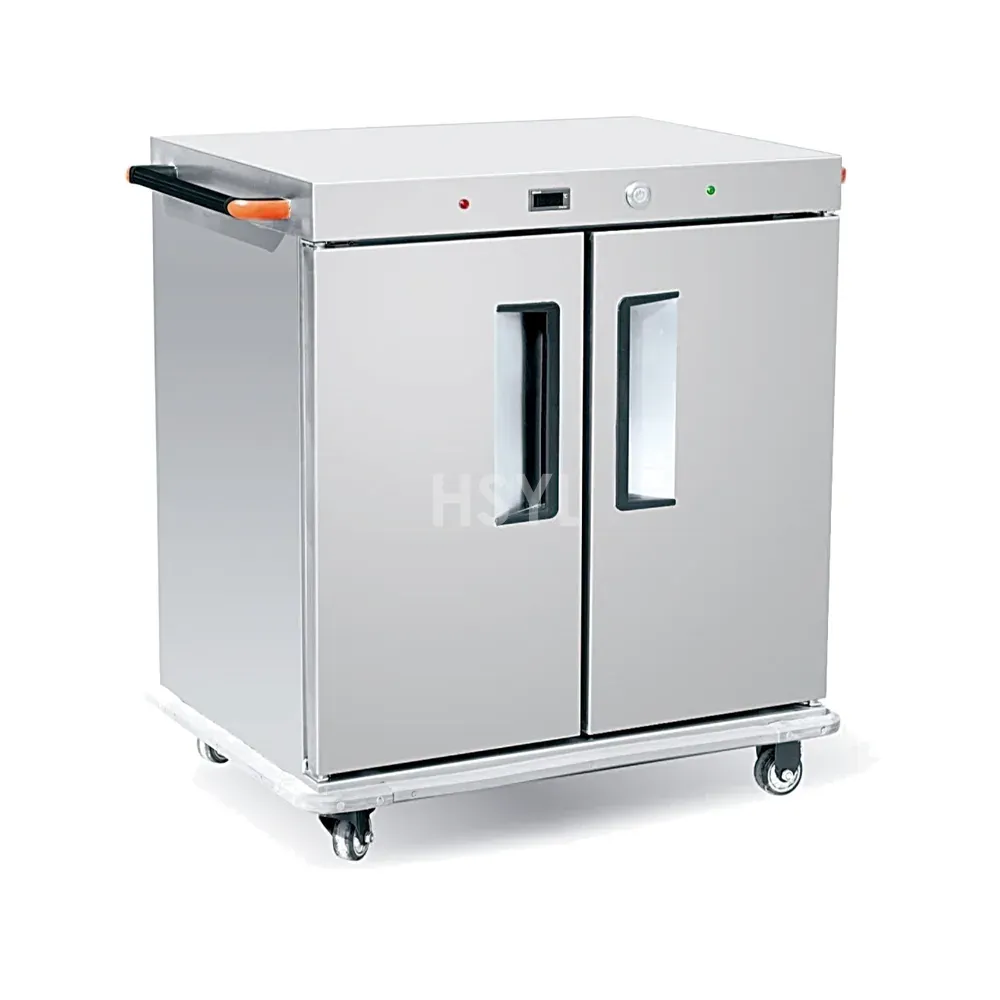
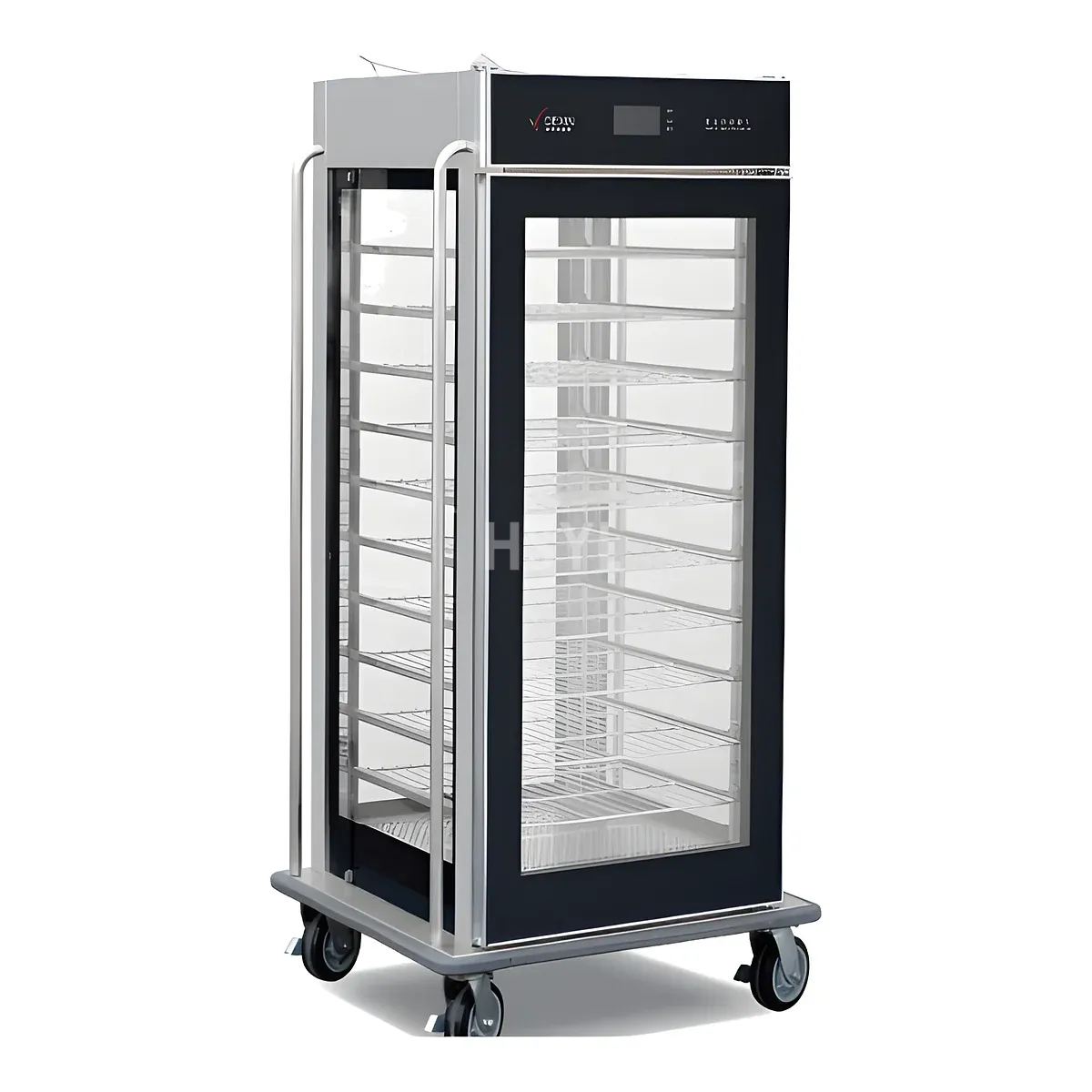
Direct Answer / Key Takeaway: Compare cart arrangements through course timing, routes, unloading and return trips. Count the complete staff task before choosing a larger cabinet to reduce cart numbers.
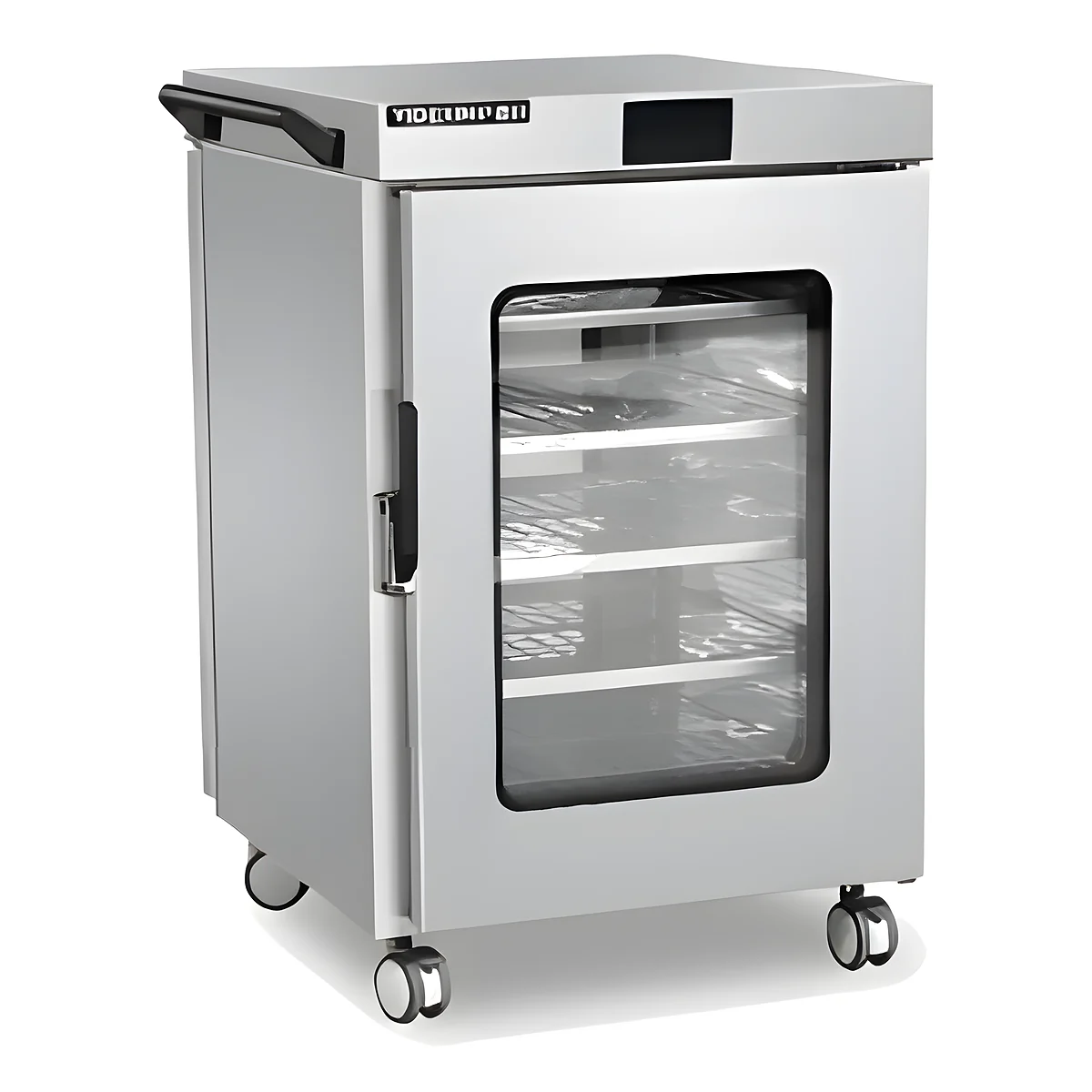
One large cart may reduce the number of movements, but it may also tie several courses to the same route and arrival time. Several smaller carts can separate tasks while creating more trips. Compare the two arrangements against the event schedule rather than cart count alone.
Start with a representative event: covers, course release times, service areas and the planned food-handling process. Identify which items may share a cabinet and which require a separate arrangement. Do not infer compatibility from the fact that all dishes are served hot.
Follow the complete trip
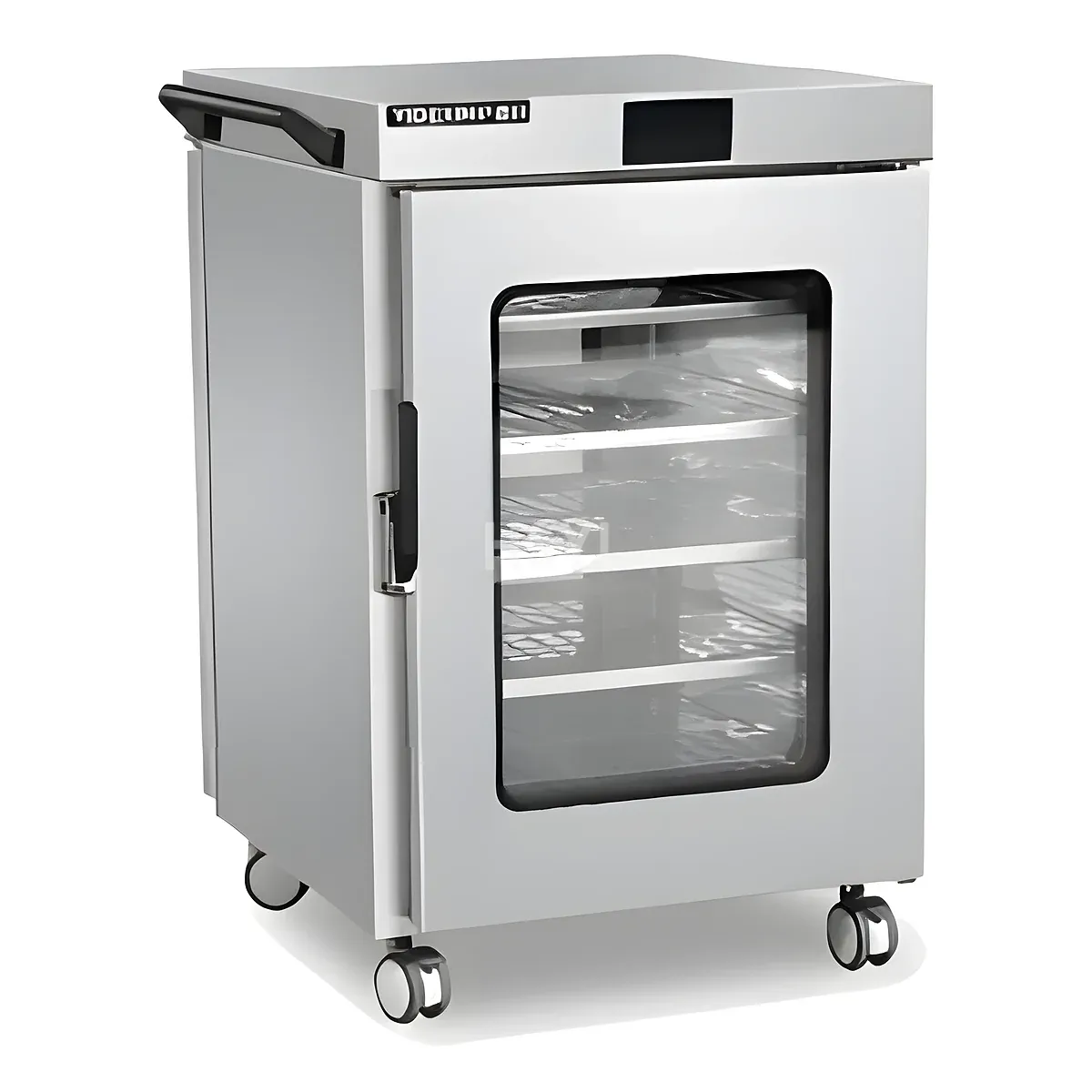
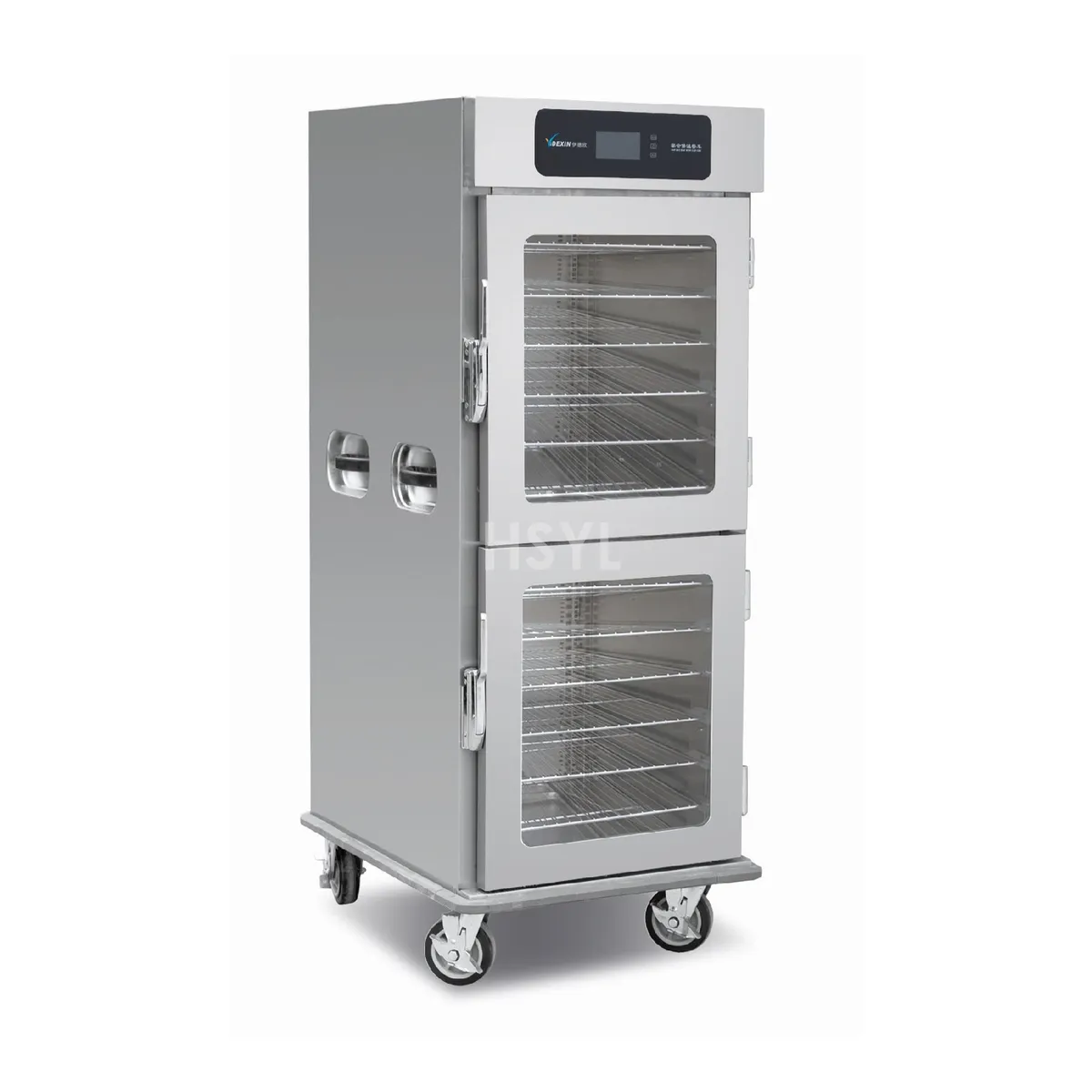
| Stage | Question for each arrangement |
|---|---|
| Load | Can the intended course and container arrangement be loaded in time? |
| Transport | Which route and lift slot does the cart need? |
| Unload | Does access to one course disturb another? |
| Return | When are the cart and assigned staff available again? |
Observe the staff work for the complete cycle, including waiting for a lift, parking, connection tasks and the return route. A journey time from the kitchen door to the ballroom leaves much of that work uncounted.
For a large cart, check usable load and the ability to retrieve the required course. For smaller carts, check staging space and the sequence of several arrivals. Both arrangements need a suitable route and supported loaded movement; do not assume that one person can push every model and load.
Look for schedule conflicts before assigning a labour saving
Map when each cart and staff member is committed. If the same cart must return before the next course can load, that return becomes part of the critical sequence. If smaller carts arrive together, the destination may need more parking or receiving staff than expected.
Test the proposed course dispatch sequence with the people who will operate it. Keep food acceptance and quality checks in the actual process; a schedule that meets a movement target but misses the food task is not a successful comparison.
Price the complete arrangements, including suitable carts, required supports or accessories, storage, maintenance and the observed staff duties. Keep unresolved time estimates visible. Review the equipment decision using the usable course output and complete trip, without assigning a universal labour reduction to a bigger cabinet or more flexible service to smaller ones.