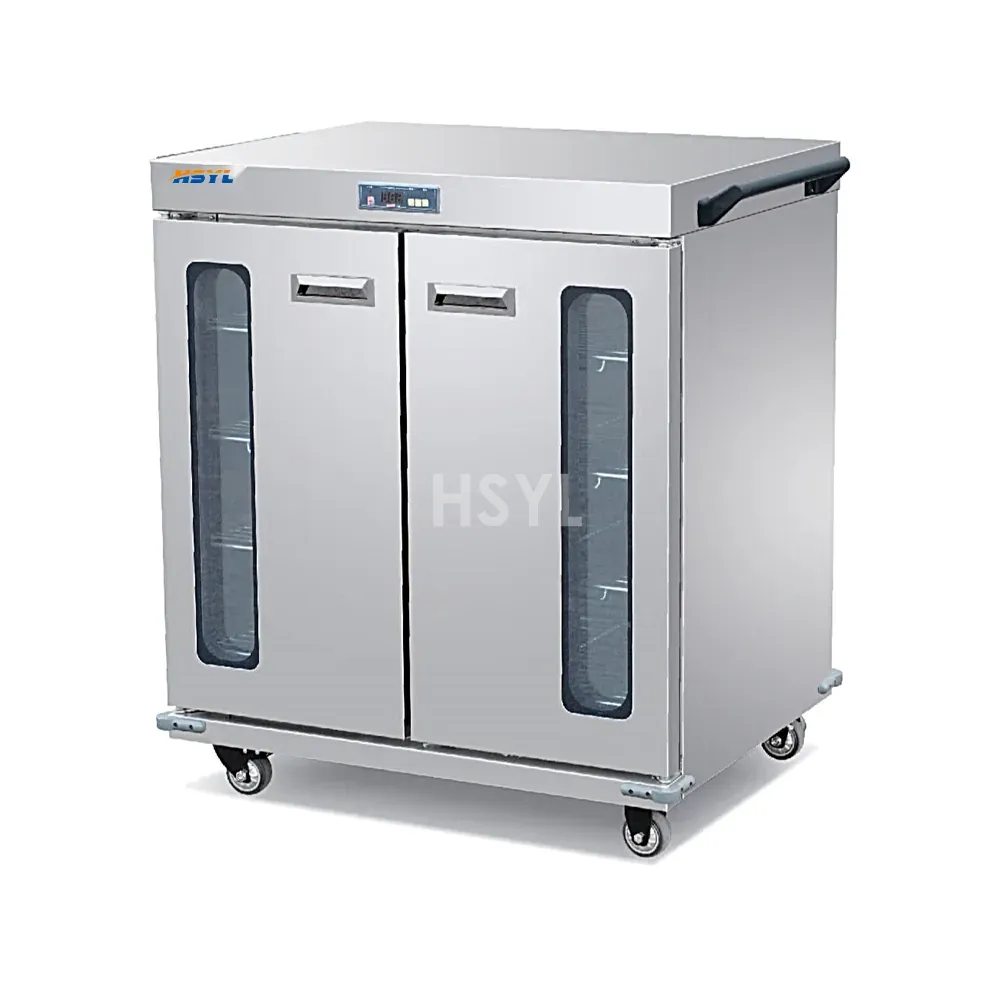
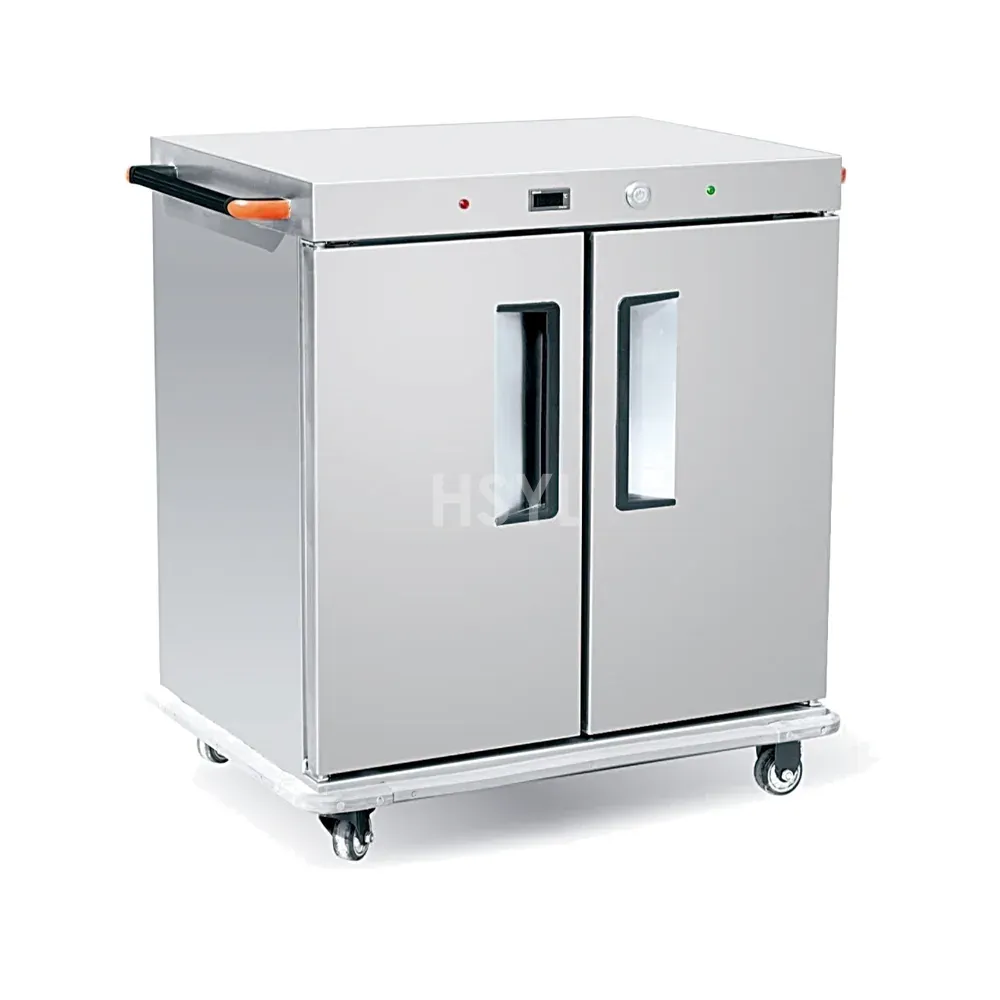
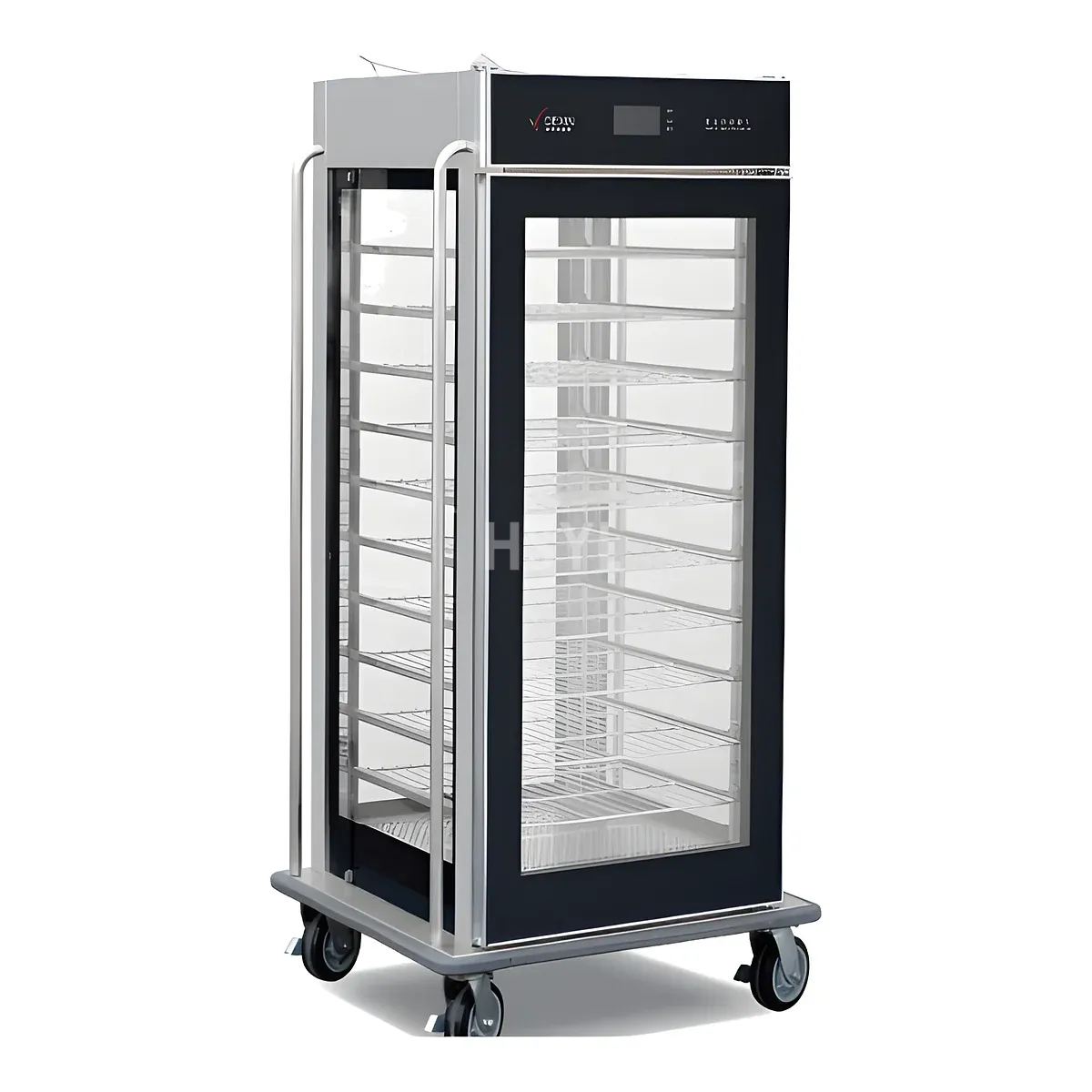
Direct Answer / Key Takeaway: Record a changed pushing or steering condition without assuming a caster needs grease. Check permitted observations, protect the route and arrange the correct repair assessment.
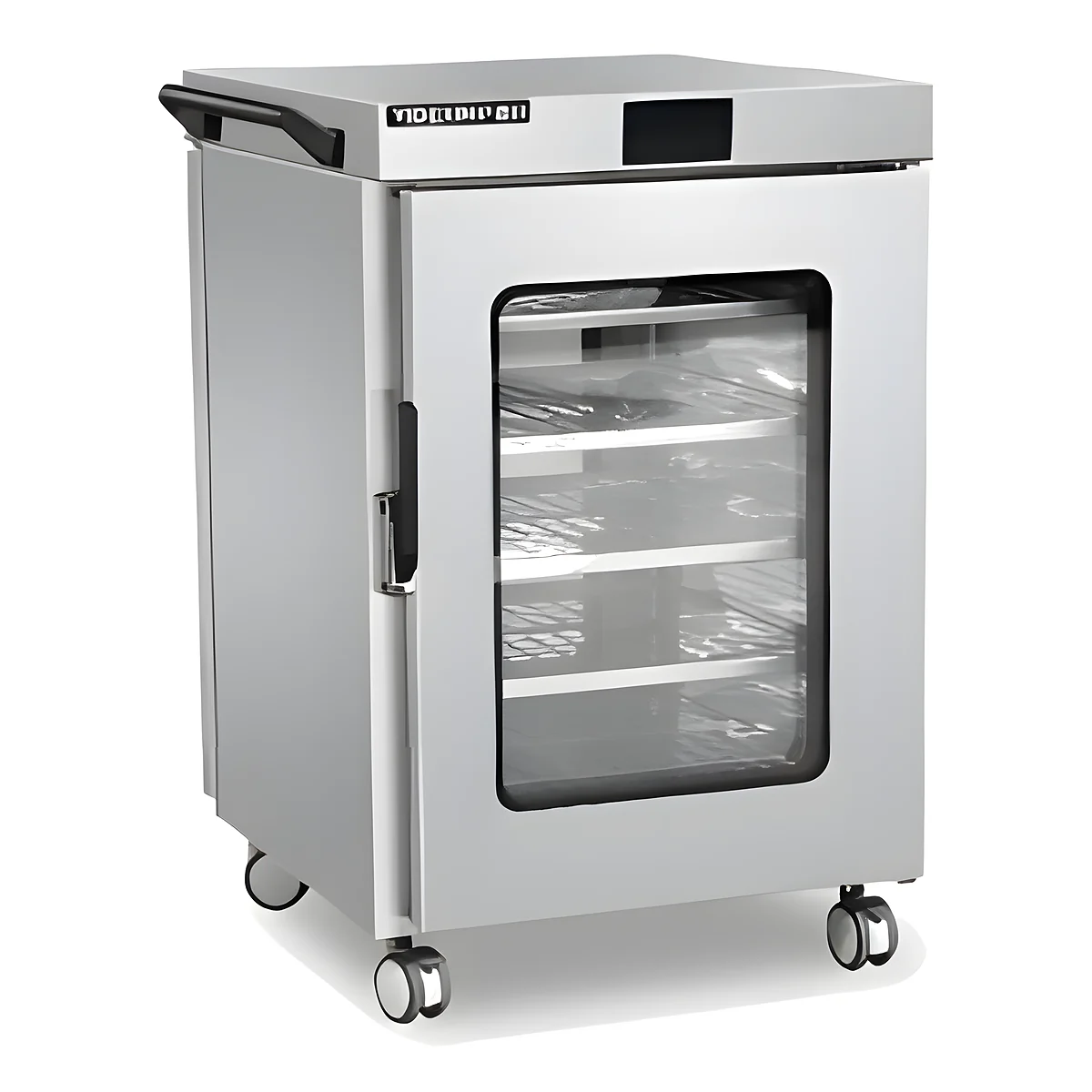
A cart that begins pulling sideways or resisting movement needs an assessment of the actual condition. Adding grease is not a diagnosis, and caster designs do not all use the same maintenance method. Remove an unsuitable cart from service under the site's procedure rather than asking staff to push harder.
Describe the changed movement
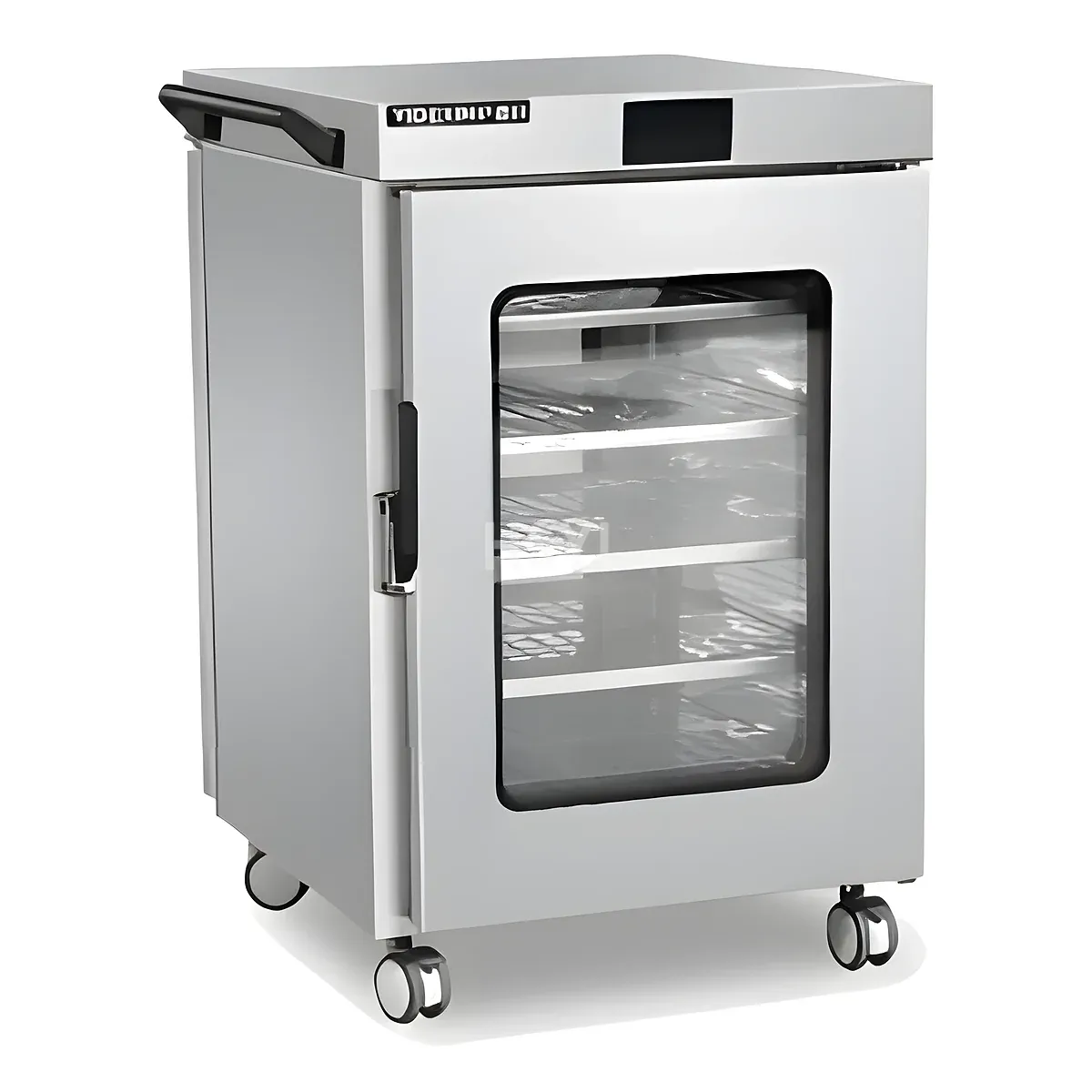
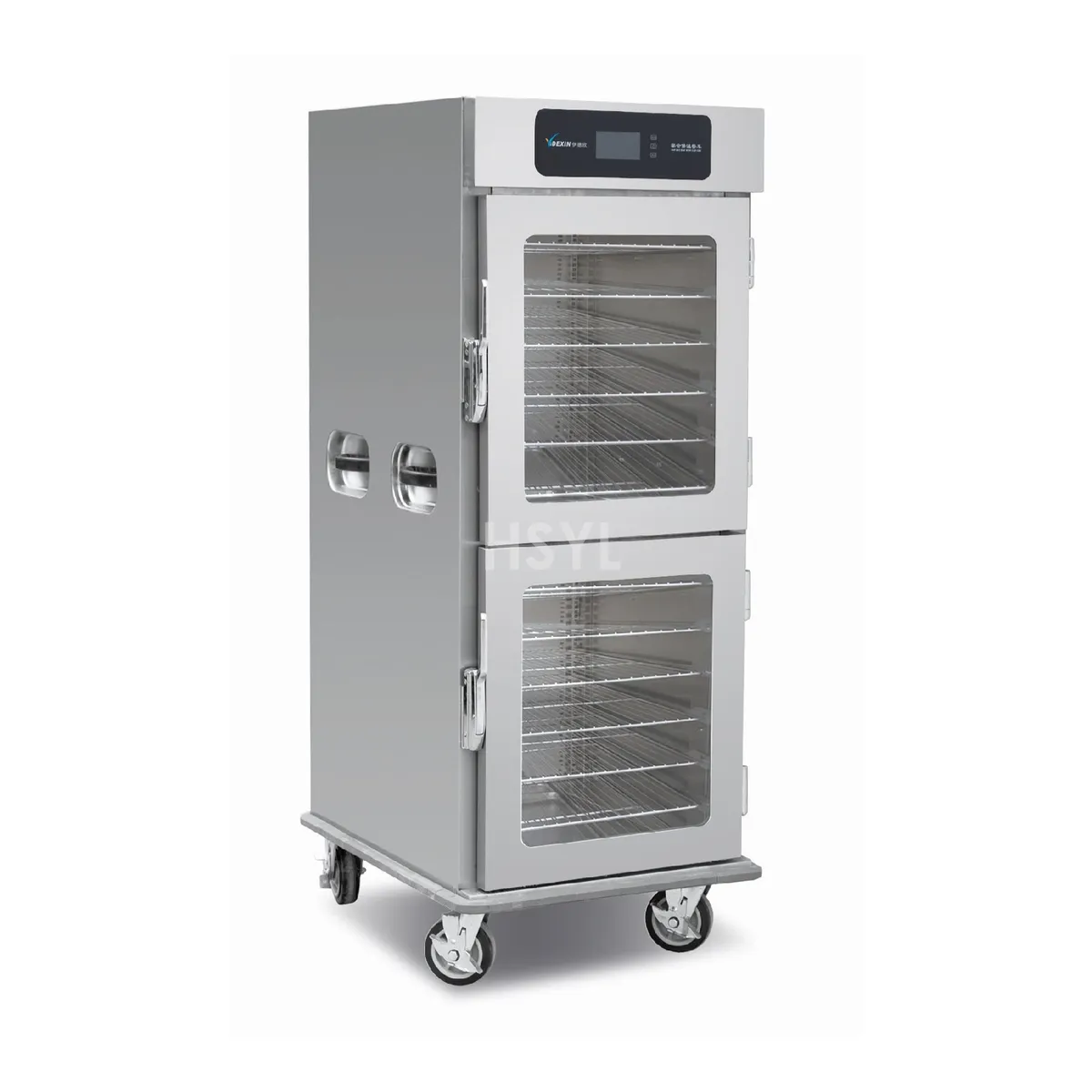
Record the cart identity, load arrangement, route and the point at which the problem appeared. Was it difficult to start, turn or continue straight? Did the change occur after crossing a threshold, an impact or wheel replacement? State those events without deciding that one caused the fault.
Include the condition in which it was observed. A complaint with a particular load on one floor is different from an empty-cart observation elsewhere. Do not repeat a loaded movement trial if the condition makes it unsafe.
Under the actual operator instructions, record accessible visible conditions such as an engaged brake or directional lock, a trapped object or obvious wheel damage. Keep hands away from pinch points and do not tip a loaded cart to inspect underneath it. Mechanical inspection and lifting need a suitable competent arrangement.
Give service the complete assembly
Provide the exact caster identity where known, the support and mounting information, and any replacement history. Ask the responsible service person to assess wheels, swivel/lock functions, attachments, frame condition and relevant load information as appropriate to the model.
A wheel diameter alone does not establish a suitable replacement. The actual mounting, rated use, operating environment and lock arrangement need confirmation. Request the manufacturer's lubrication or maintenance requirements instead of applying a generic food-grade grease and interval.
Use the cart maintenance support route to identify the relevant documents and repair responsibility. Do not promise that a quick bearing adjustment will restore the cart before the cause has been established.
Return to the actual movement task
Record the service finding, approved parts and completed repair. Have the responsible personnel perform the required checks and a suitable controlled movement assessment for the intended duty. Resolve any route or load issue found alongside the component condition.
Reinstate food transport only through the site's release process. If an alternative cart was used, return its temporary operating arrangement deliberately as well. Retain the cause and relevant observations so that the next steering complaint is compared with an identified history rather than another unexplained entry saying wheels greased.