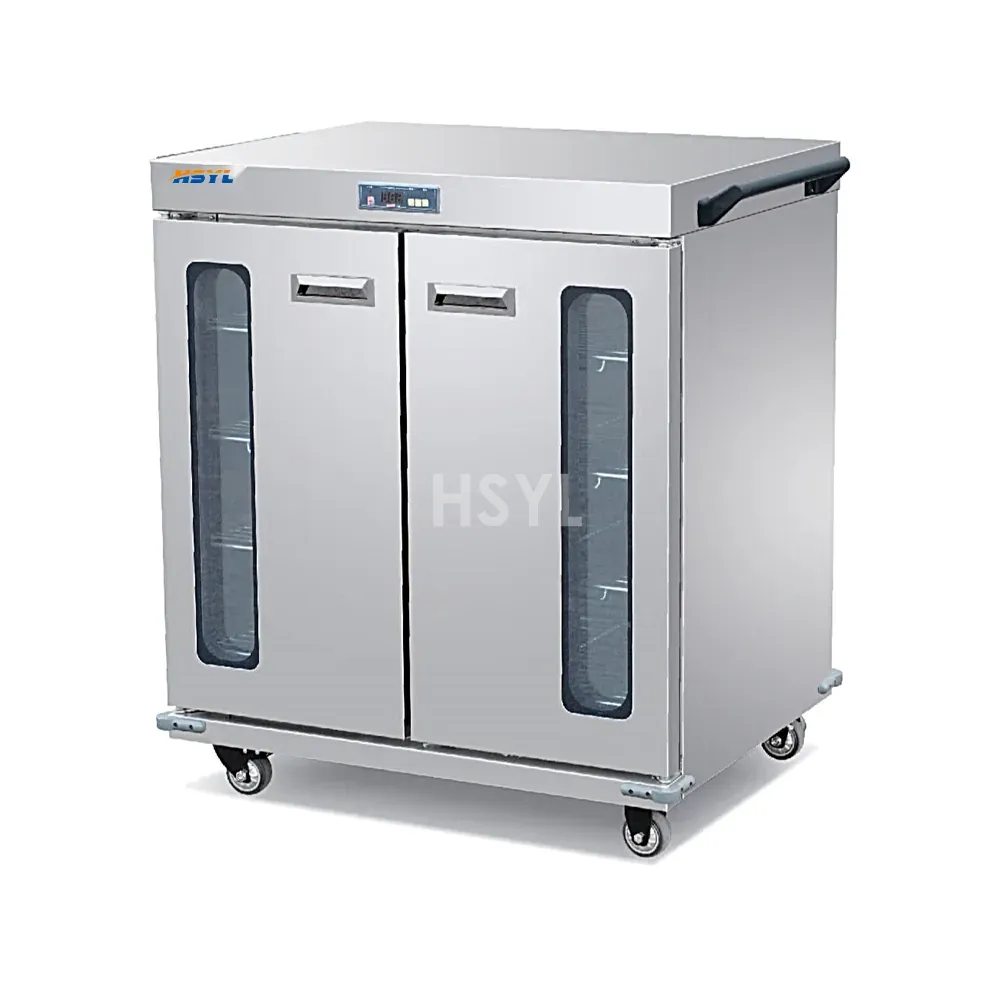
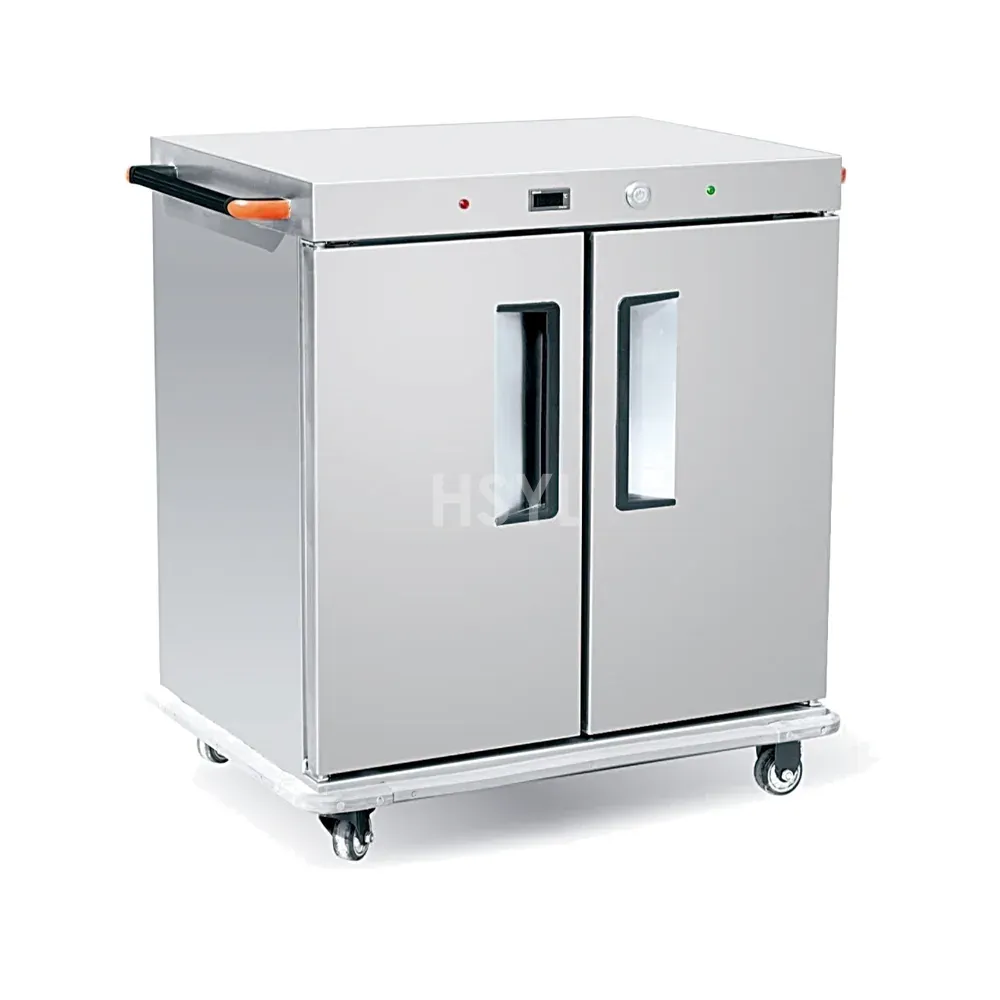
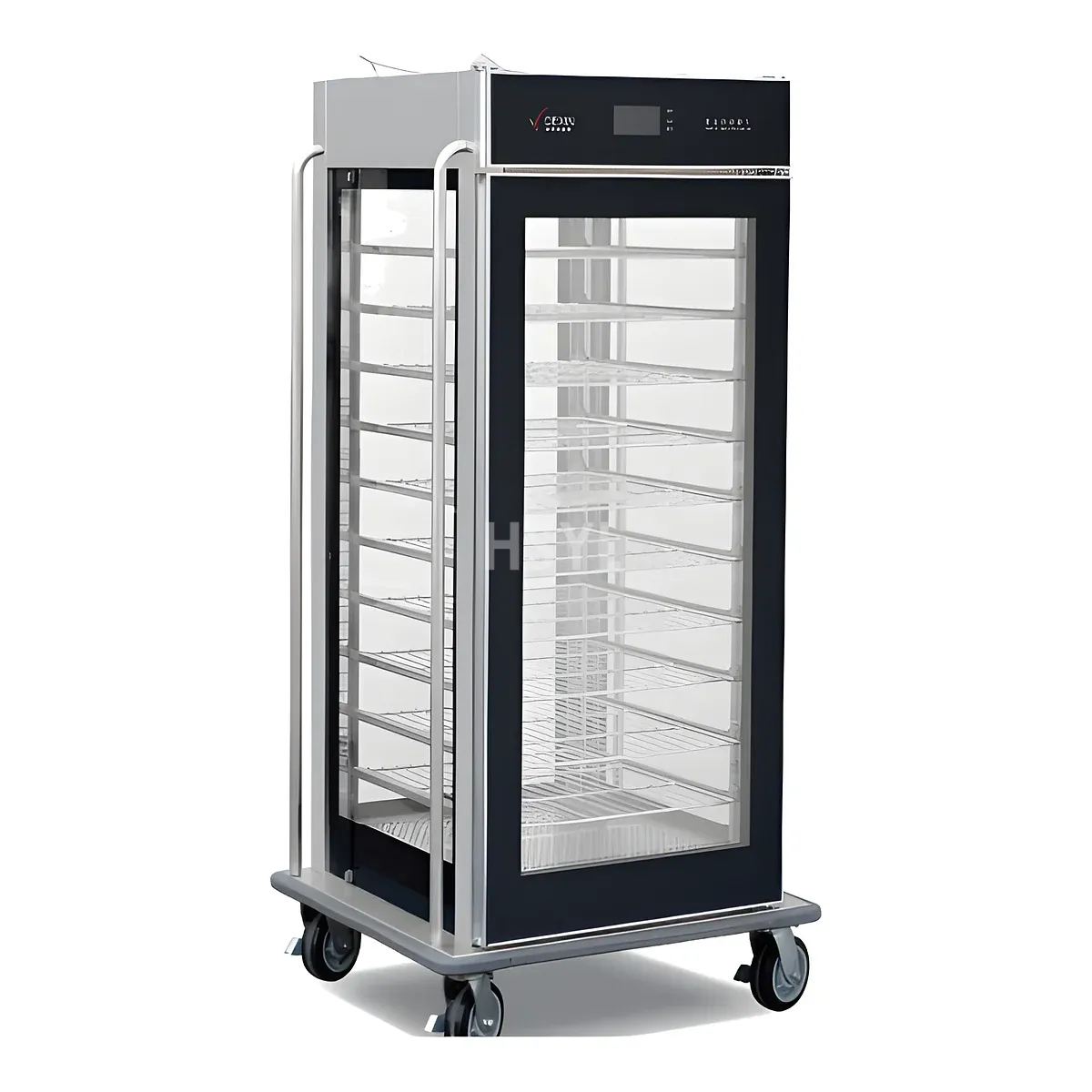
Direct Answer / Key Takeaway: Coordinate safe disconnection, supported cord storage and destination connection for a heated cart. Check the exact supplied arrangement instead of assuming a retractable reel or standard plug.
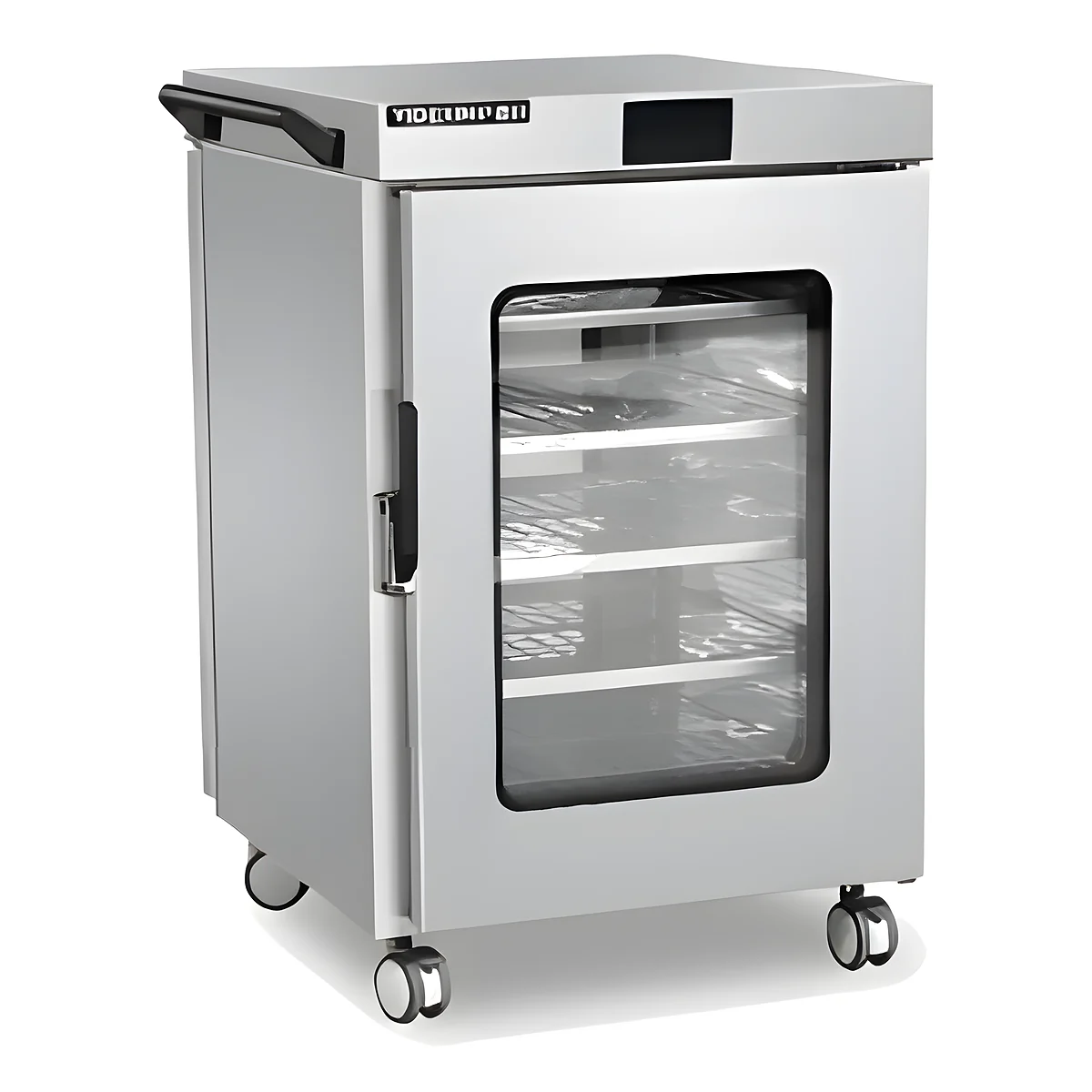
A cart ready to leave the kitchen can still be connected to the supply behind it. The movement routine needs a clear transition from powered holding to transport and back to the destination's permitted operating arrangement.
Before the cart moves
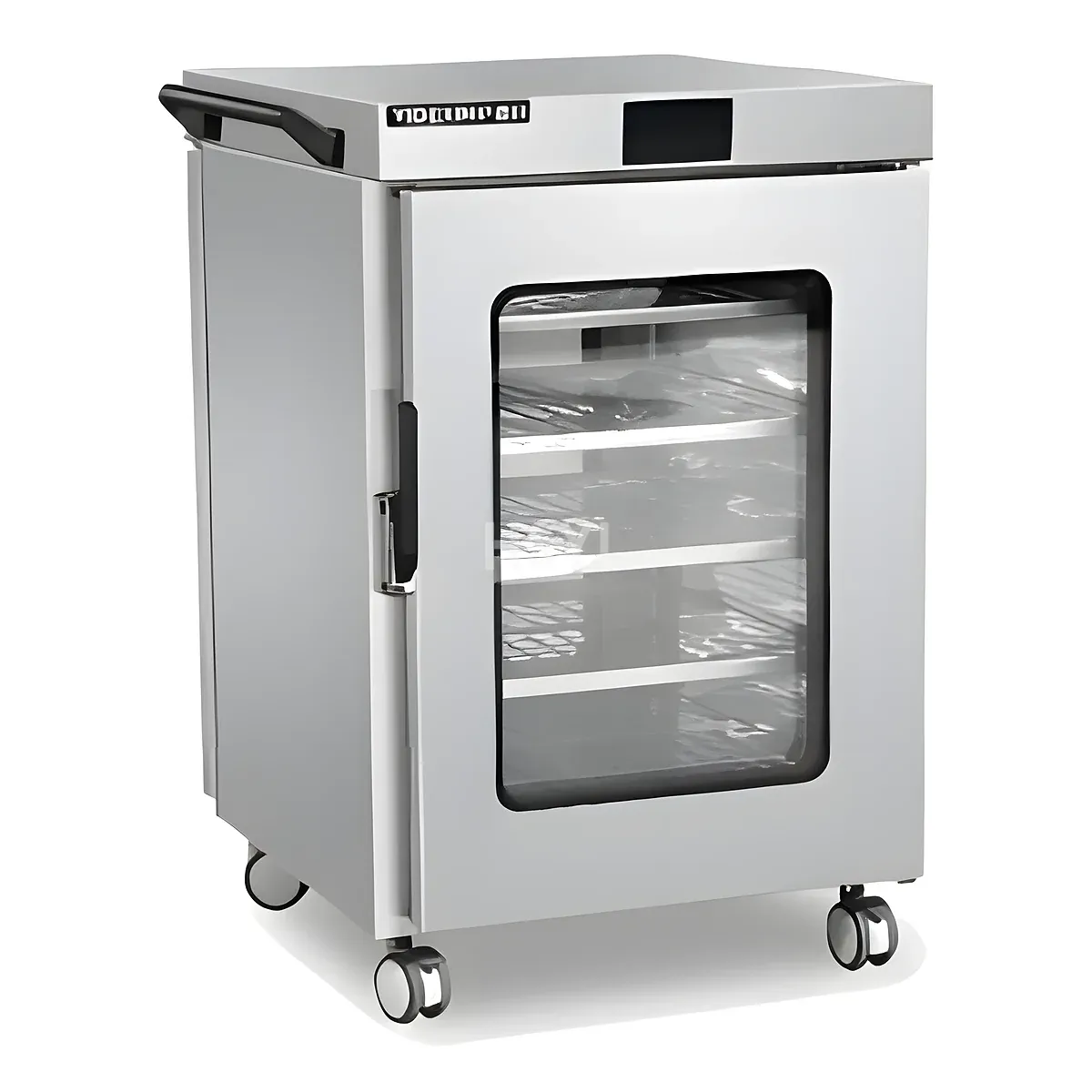
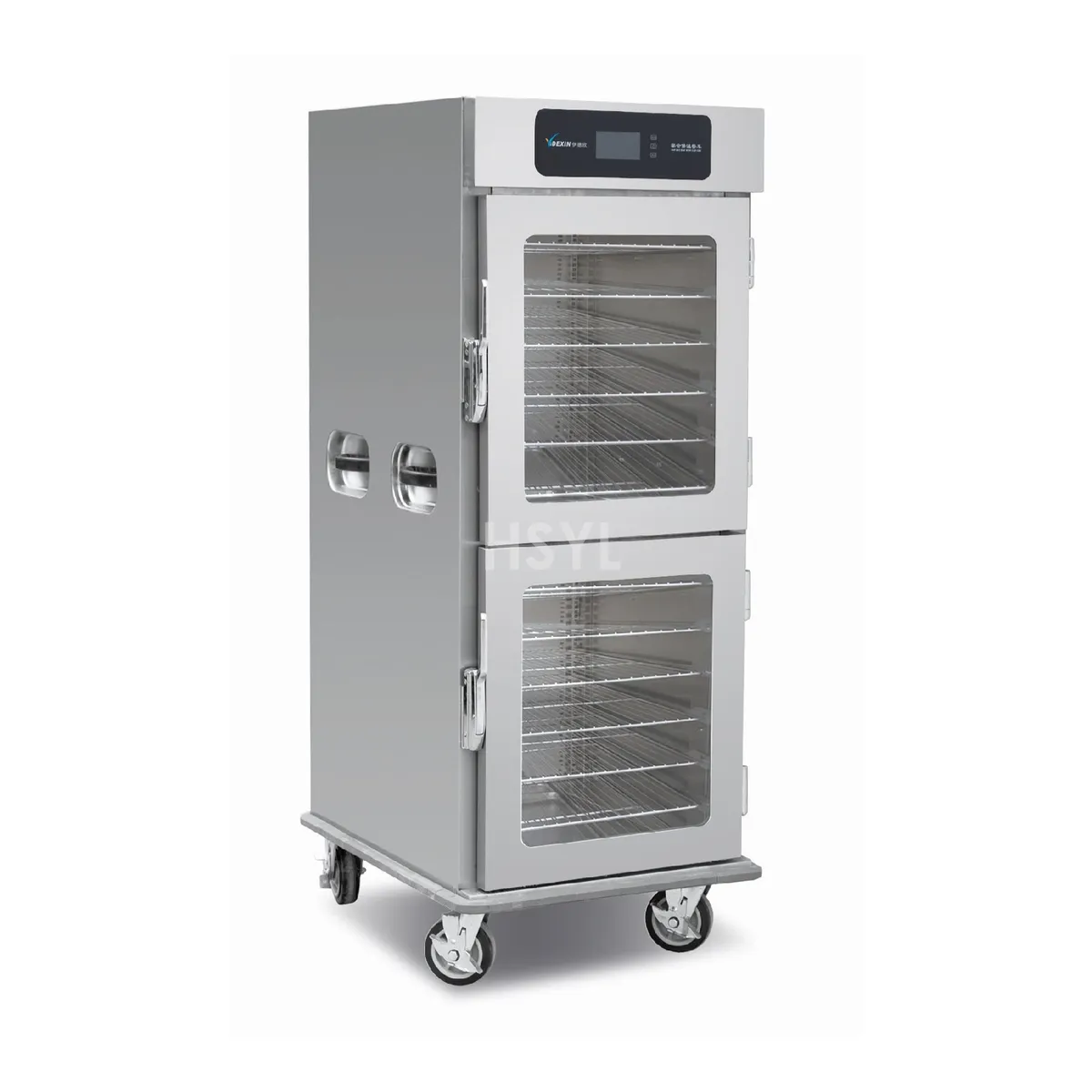
Identify the exact connection and shutdown procedure from the cart instructions. Determine who confirms that the required disconnection has been completed before the cart is released. A switch being off does not mean a cord is detached or a fixed connection is suitable for movement.
Check how the supplied cord is retained during transport. Obtain the manufacturer's arrangement and use it within its instructions. Do not assume a reel, cord wrap or removable lead is supplied because another cart has one. A loose cord can meet a wheel or become trapped at a threshold.
Include the condition of the accessible cord, plug and retention parts in the permitted pre-use checks. Damage needs the appropriate withdrawal and service response, not a taped repair that allows the cart to leave on time.
At the destination
The proposed parking position must support the actual connection arrangement. Coordinate the supply, cord reach and route with the responsible electrician and site team. Avoid creating a lead across an active movement route or improvising a connection through an unsuitable extension.
Include these needs in the pantry utility planning. Establish who parks the cart, confirms the connection conditions and resumes the documented operating procedure. Do not energize a different supply variant because the plug looks familiar.
Make the handoff visible
A brief dispatch check can identify the cart, destination, person releasing it and completed disconnect/cord-retention step. The receiving check can identify the permitted parking and connection arrangement and who accepts responsibility. Keep those checks practical enough for the actual service.
Demonstrate the complete sequence with the staff and the supplied cart. Include retrieving and storing the lead on the return journey, not just the first delivery. If the equipment cannot be moved as intended under its instructions, revise the arrangement before service.
Take the accepted routine into the operator training. Food conditions during the unpowered interval need their own approved transport plan; successfully reconnecting the cart does not establish that its contents remained acceptable on the journey.