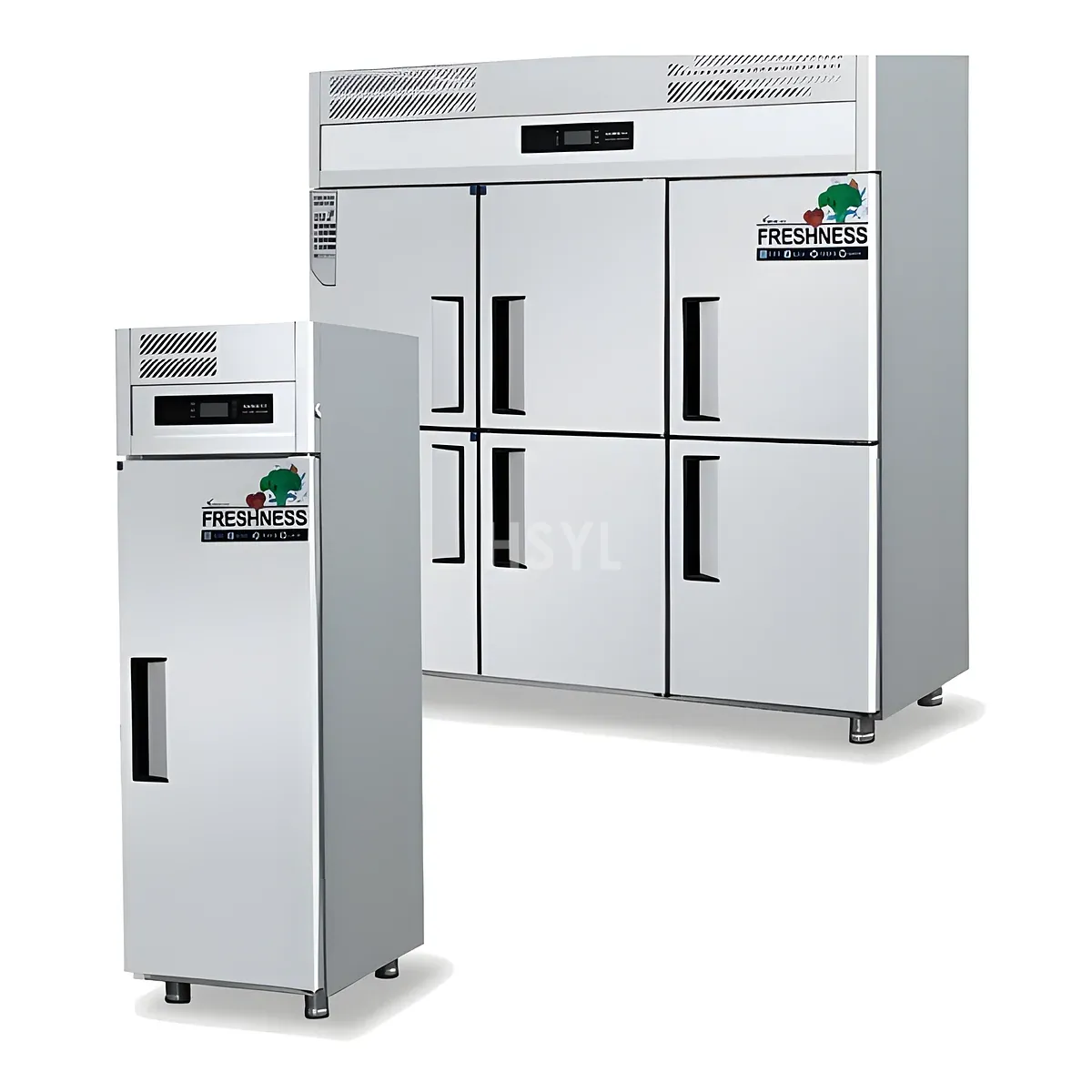
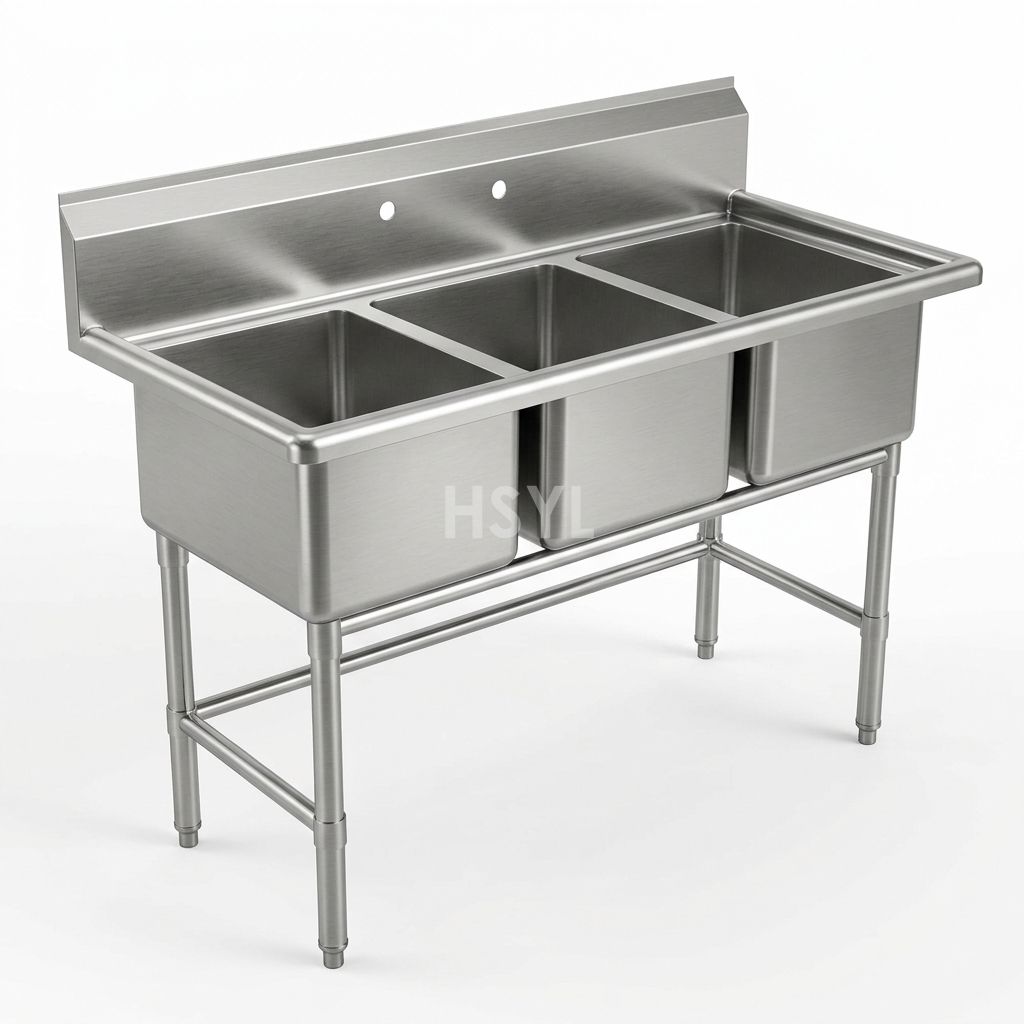
Direct Answer / Key Takeaway: Compare multi-door steaming cabinets by steam valves, temperature controls and staggered loading duties instead of treating every compartment claim as equivalent.
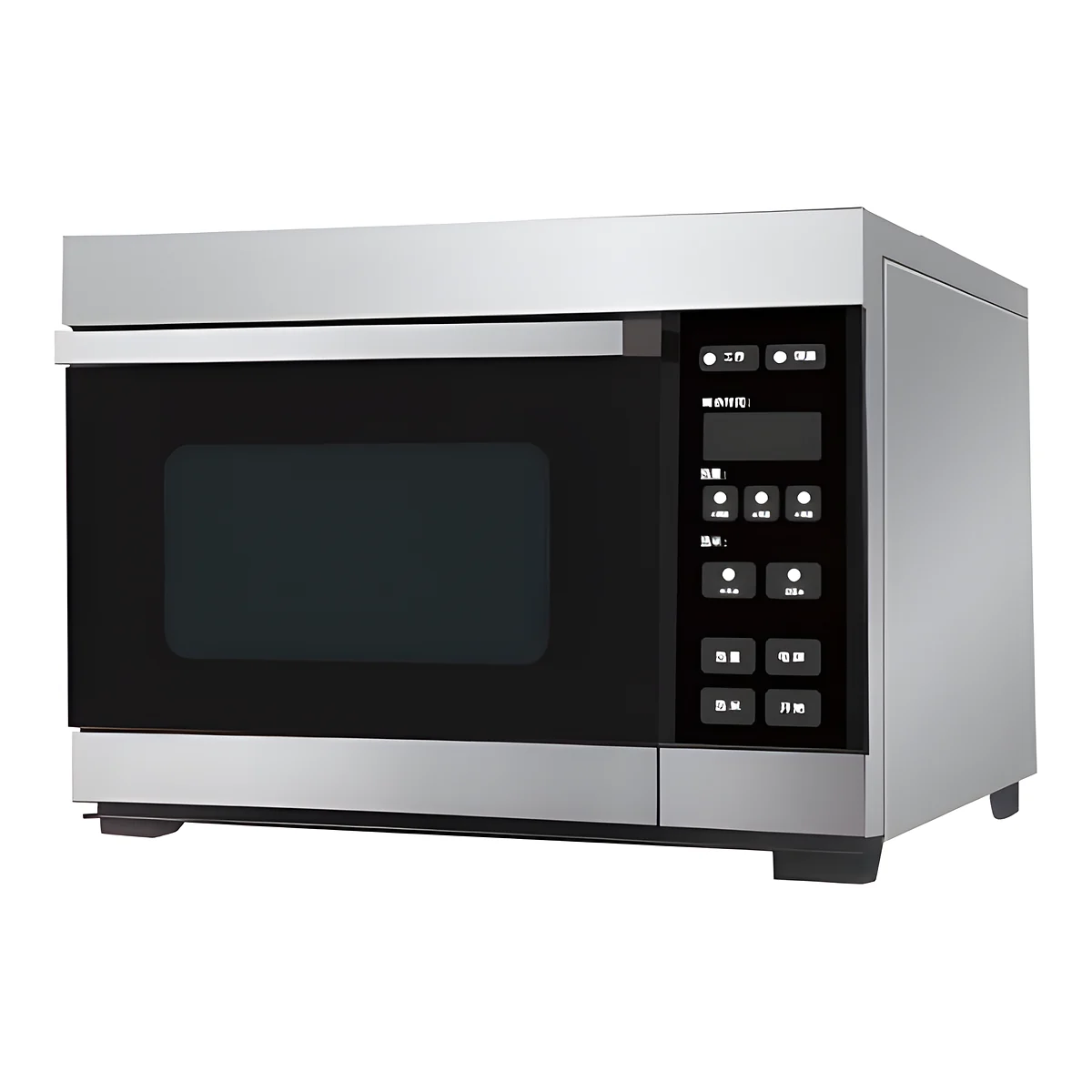
The word independent needs a specific object when comparing a multi-door steamer. It may describe doors, steam-supply valves, controls or another part of the design. For a seafood menu with orders arriving at different times, identify which functions can actually be operated separately.
Separate two catalog descriptions
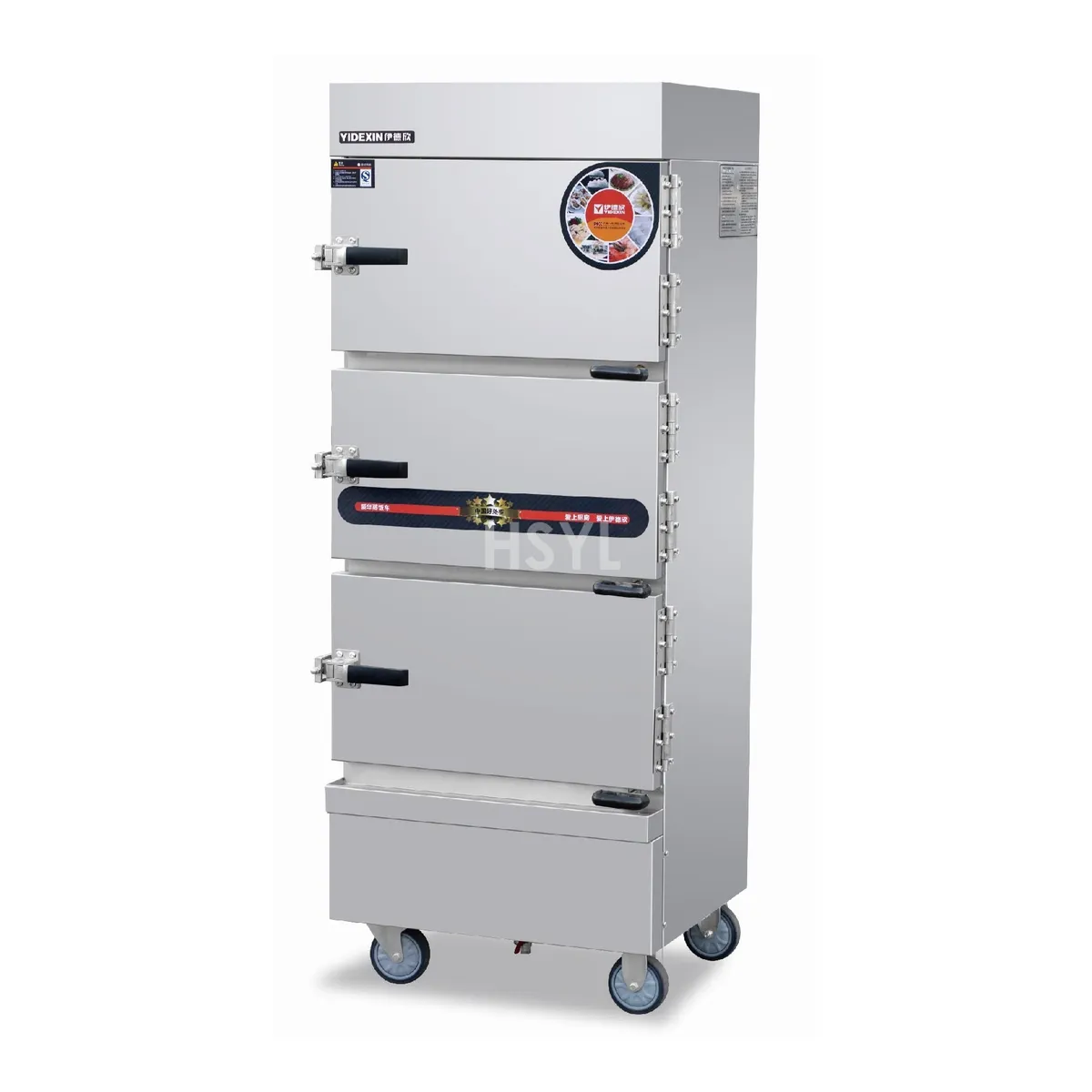
The catalog's HSYL-24-2D entry describes upper and lower sections with independent steam-supply valves. The HSYL-24-V2 entry describes a left/right two-door arrangement with dual temperature control. Both are listed with 24 tray positions, but the control descriptions are not interchangeable.
Ask each offer to identify the steam generation, distribution, temperature setting and timing functions for each section. Also identify what is shared. Do not turn a separate valve into a promise of a fully separate appliance or read two doors as two temperature programs.
Use a staggered-order scenario
Imagine the first fish order is already in its approved process when a second order arrives. The purchasing question is whether the second task can begin through the permitted compartment arrangement without an unsuitable change to the first. Now add a third dish that requires a different process. Identify which section accepts it, when it may enter and who operates the controls.
Walk the sequence on the proposed multi-door cabinet. Include the real plate height and loading method. A control feature has little value if the dish cannot fit in the section reserved for it.
Test the claimed separation
Agree observations that match the seller's actual claim. For example, determine whether the relevant settings can be selected separately and whether the allowed opening/loading sequence supports both dishes. Use representative food under the kitchen's accepted cooking controls, with the supplier's permitted operating method.
Record any effects that matter to the first order when the second section is used. Do not demand an impossible blanket promise that an opening has no physical effect anywhere, and do not accept a marketing phrase as evidence that the first dish remains acceptable. The food and timing result must support the intended task.
Include shared work and restrictions
Check the emptying and cleaning sequence for the actual arrangement. If a shared system makes one service intervention affect the whole cabinet, include that consequence in availability planning. Ask which tasks may continue during permitted operator work; do not infer fault isolation from compartment labels.
Separate chambers also do not establish an allergen-free process. The responsible kitchen team must consider handling, utensils, trays and cleaning. Choose the offer whose documented functions and observed staggered sequence meet the menu, and include its operating restrictions in the final order. The useful comparison is the supported work pattern, not the largest number of independence claims.