Direct Answer / Key Takeaway: Organize the change between seafood steaming loads around hot dishes, used containers, permitted cleaning and a clear release of the next loading area.
Changing a seafood steamer load involves more than removing a tray and inserting another. Finished dishes need a clear destination, used containers need a separate return route, and the next raw or prepared load needs a released loading position. Plan those movements before a rush forces them into the same small area.
Follow one finished order out
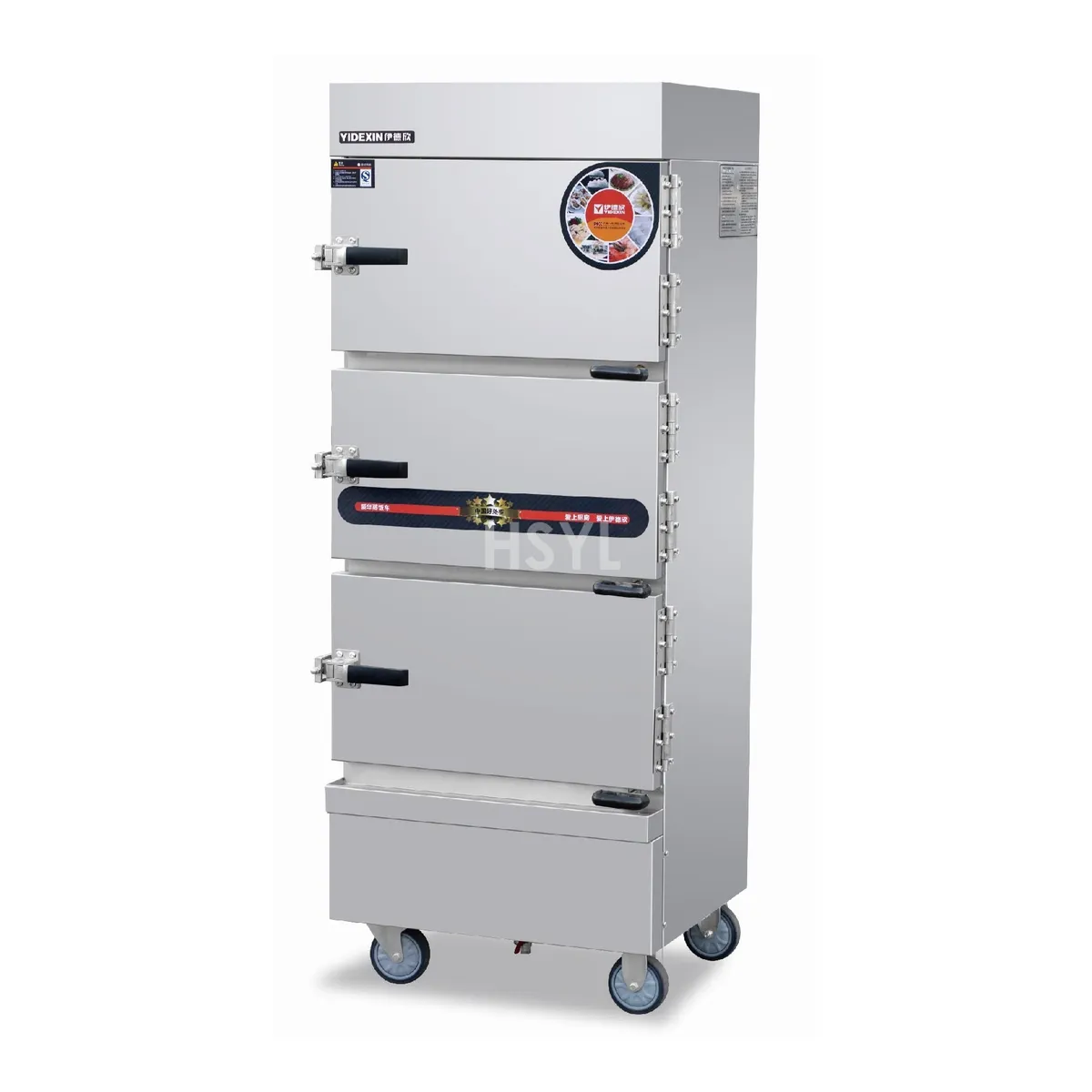
Use the cabinet's permitted opening and unloading method, including its steam-related precautions. Arrange the intended hot-dish landing and service transfer before the door is opened. The person removing plates should not have to discover where a platter can be placed while holding it.
Keep the identity of each completed dish through transfer to service. Include the kitchen's required cooking and handling checks. The finishing team must know which order is ready; unloading a visually similar plate into the wrong order can undo an otherwise organized sequence.
Consider a whole-fish platter followed by a group of smaller dishes. The landing area that accommodates several bowls may not support the longer platter in the same orientation. Walk through the actual containers and the staff handoff, using a safe assessment method.
Separate the return movement from the next load
| Movement | Destination to establish |
|---|---|
| Finished dishes | Accepted landing and service route |
| Used carriers and removable items | Approved return/cleaning area |
| Next prepared load | Released staging position with its identity retained |
Show where residual liquid or food debris is handled through the approved cleaning process. Do not put a dripping used carrier above the next prepared dishes or use a clean-loading trolley as the temporary return store.
For a multi-door appliance, identify the exact section being changed. The catalog distinguishes upper/lower steam-valve arrangements from left/right dual-temperature arrangements. Use the actual compartment configuration to establish which opening, unloading and cleaning tasks are permitted while another section is in use. Separate doors alone do not answer that question.
Release the next loading position
Complete the required operator cleaning and restoration steps for the section and surrounding work area. Confirm that the permitted removable parts are correctly fitted, the landing/return routes are clear and any defect has been resolved. Keep service work outside the operator changeover task.
The responsible person should identify when the next load may enter under the cabinet's operating instructions and the food-control plan. If the next dish introduces a different handling or allergen requirement, assess the changeover accordingly rather than assuming a quick wipe is sufficient.
Rehearse this sequence during a representative order wave and observe the last dish, the last used carrier and the first item of the next load. A useful changeover is one the staff can complete in the installed area without crossing those three movements.