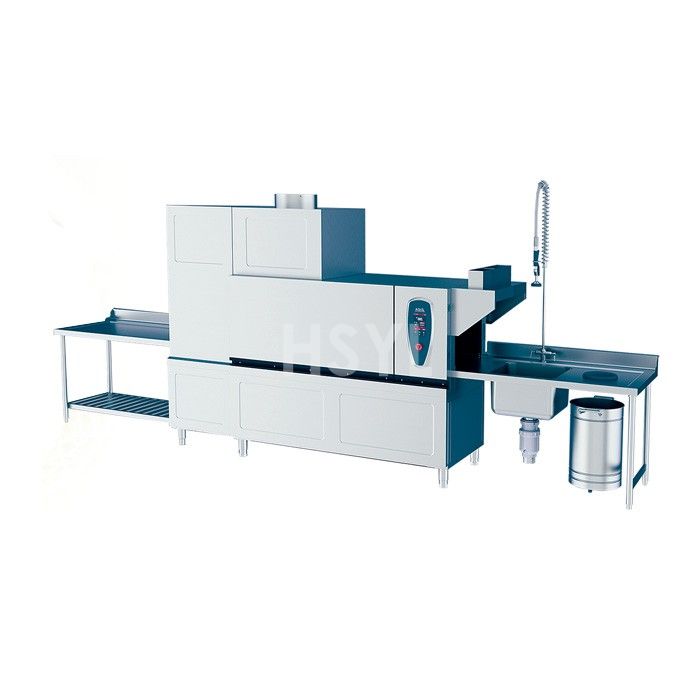
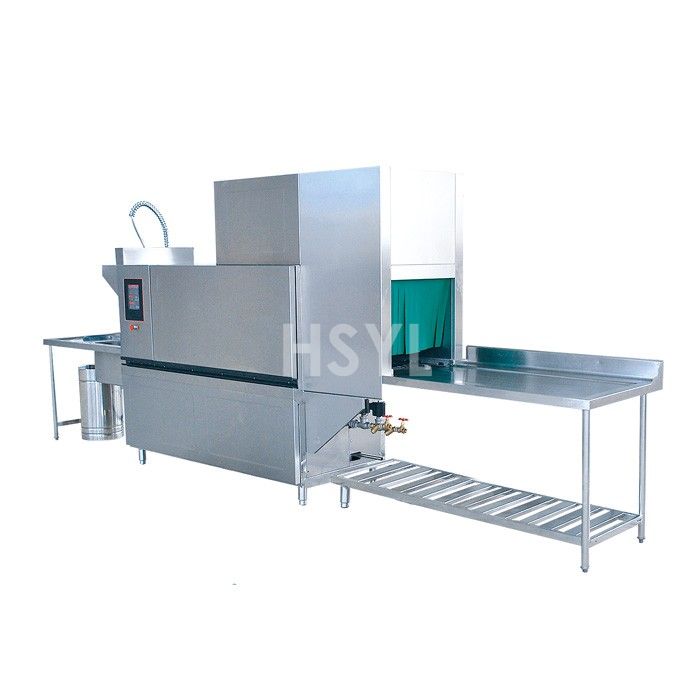
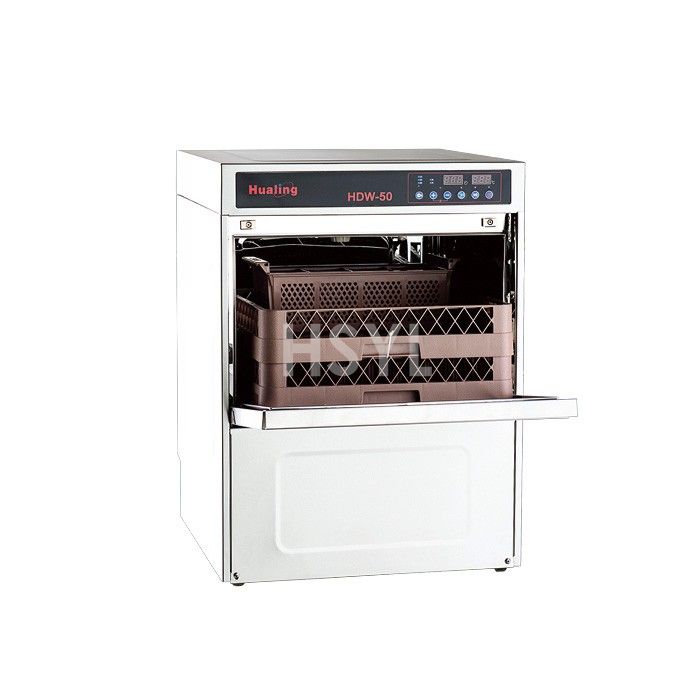
Direct Answer / Key Takeaway: Compare complete rack lines against event arrivals, staging, clean unloading and building work before valuing a shorter conveyor offer.
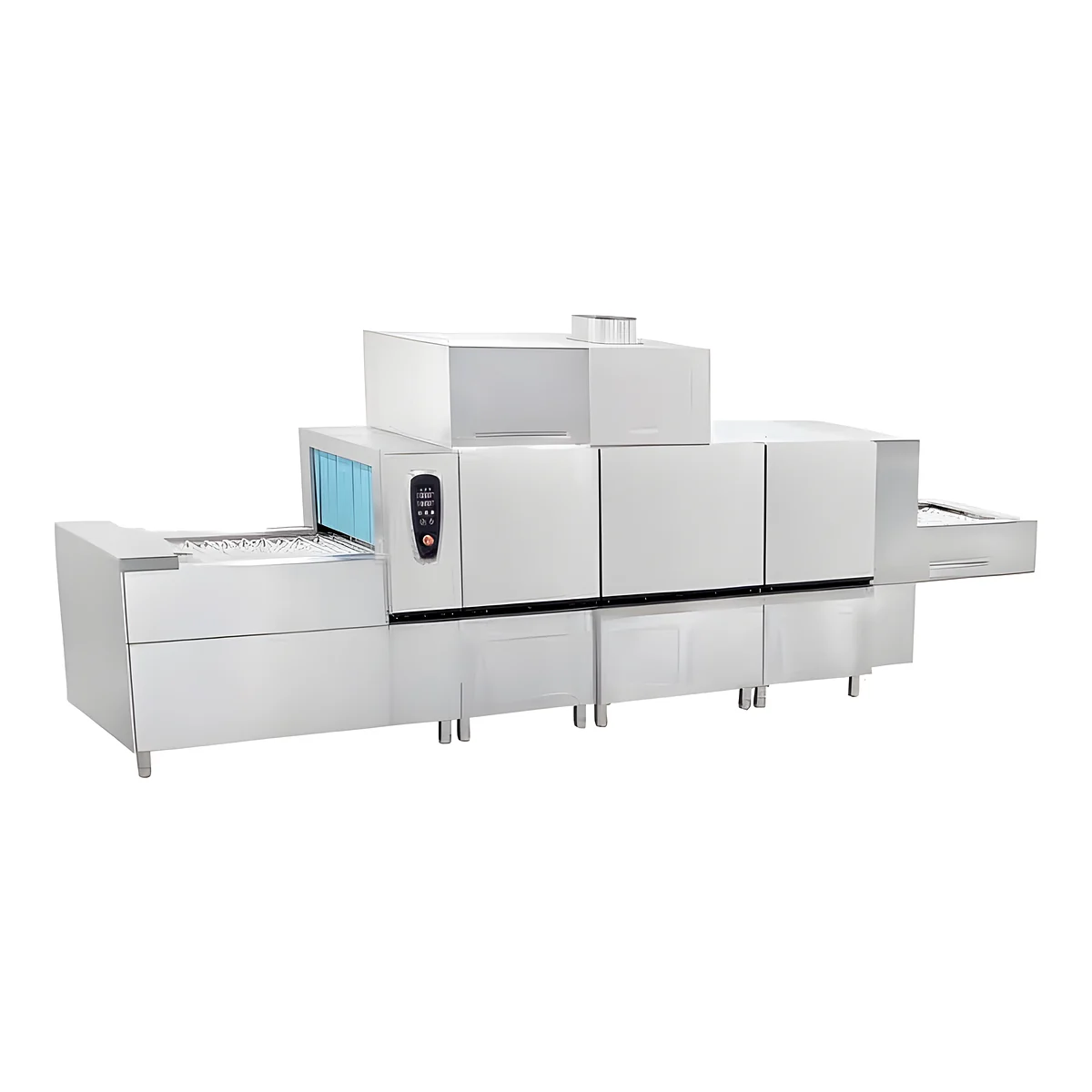
The shorter rack conveyor offer is not necessarily the lower-cost banqueting solution. Compare the complete working layouts against the represented event return, including preparation, rack storage, clean unloading and required service access.
Give each supplier the same actual ware mix, return pattern and accepted process requirements. Identify what each offer includes: machine zones, drying or recovery options where offered, tables, controls, installation and commissioning. Keep the proposed transport type and output units consistent.
Compare three uses of space
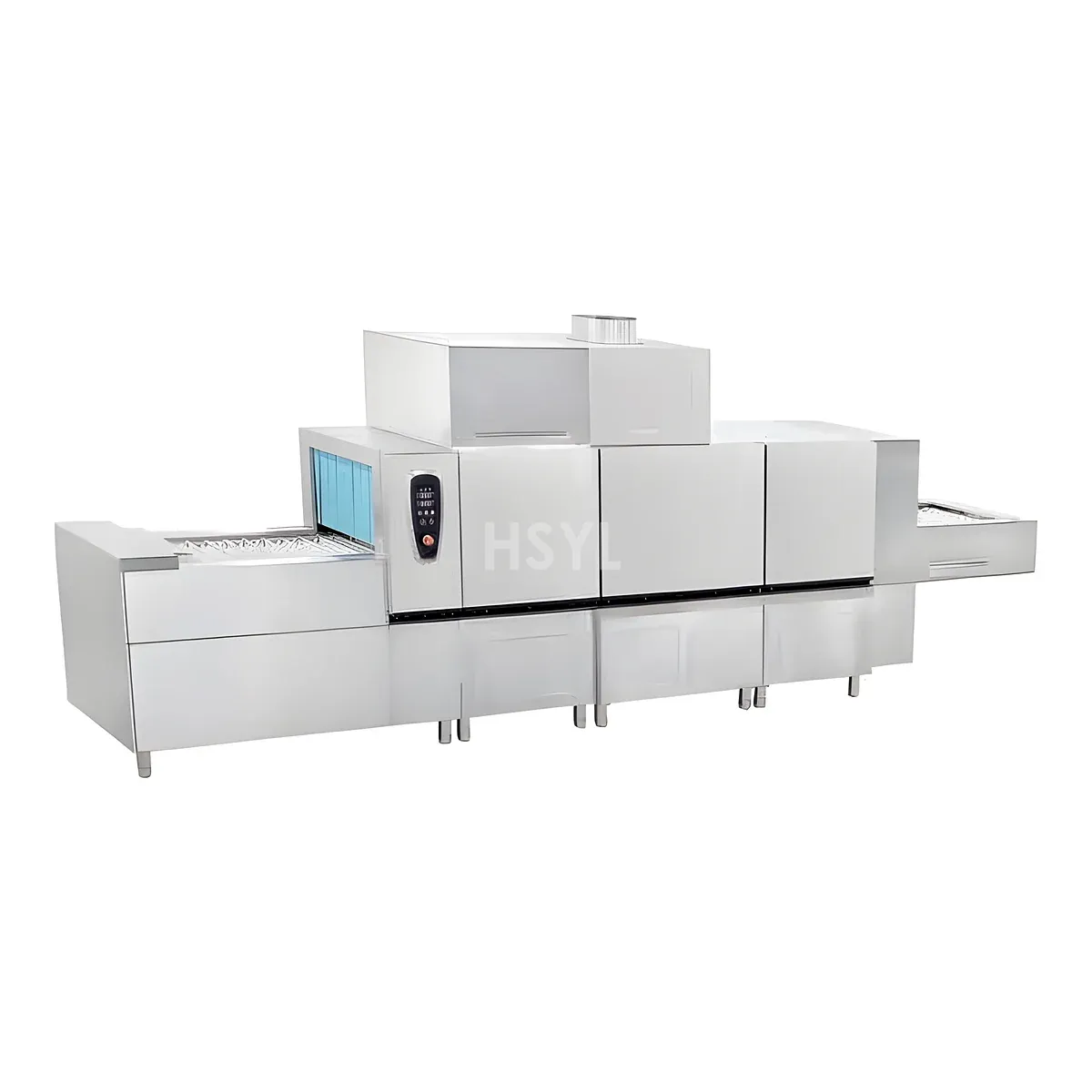
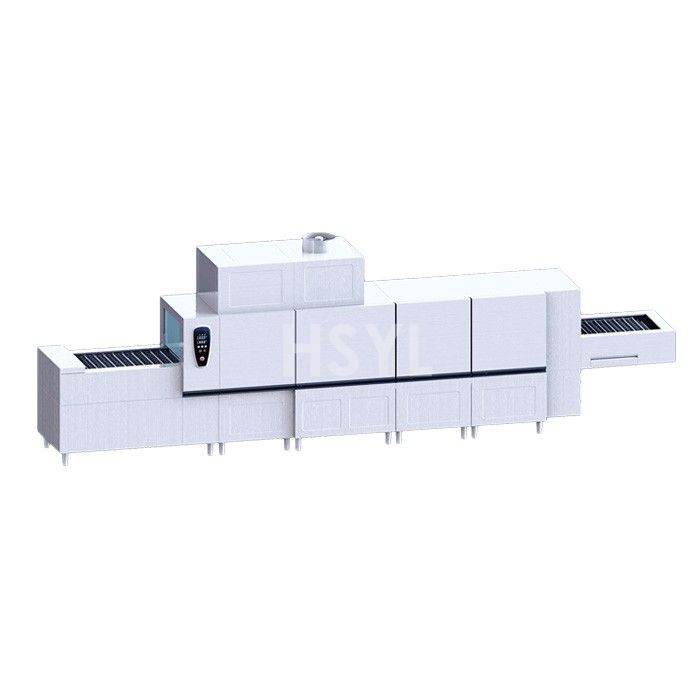
Working space: draw the loaded rack route and staff positions at the actual peak. Include scrap handling and an available clean-side destination. Additional machine speed has little value during an unloading stoppage.
Accumulation space: map the real dirty and clean queues from the event timeline. A rack bay assigned to temporary dirty returns cannot also be counted as permanently available clean storage. Preserve the required separation and actual handling procedure.
Service space: show doors/covers, access and component removal. A proposal that fits only when another fixed item is moved for maintenance needs that actual obligation resolved and costed.
The conveyor site-planning review helps expose differences beyond the equipment body. Compare the same room boundary and do not delete a required table from one proposal to make its area appear smaller.
Attach costs to actual differences
Obtain building and utility work from the supported layout: floor/access changes, connections, ventilation and any real service-access provision. A shorter body might reduce one item while leaving the same preparatory or clean-side work.
Assess staffing by the represented task sequence, including event setup, the return peak, tank-service work and clean-down. Keep a worker's simultaneous tasks visible. Do not convert a higher rated rack rate into an assumed removal of an entire shift position.
Use actual resource quantities, applicable prices and evidenced service needs over a common comparison period. Keep occasional large events separate from routine smaller services when they create different working patterns. Include a stated uncertainty rather than a universal maintenance percentage or lost-banquet revenue claim.
Choose the complete proposal that meets accepted processing, queues and access within the actual site. If the shorter line depends on additional external staging or manual transfer, show that location and work in its own offer. The useful investment comparison names those differences rather than assigning a return to machine length alone.