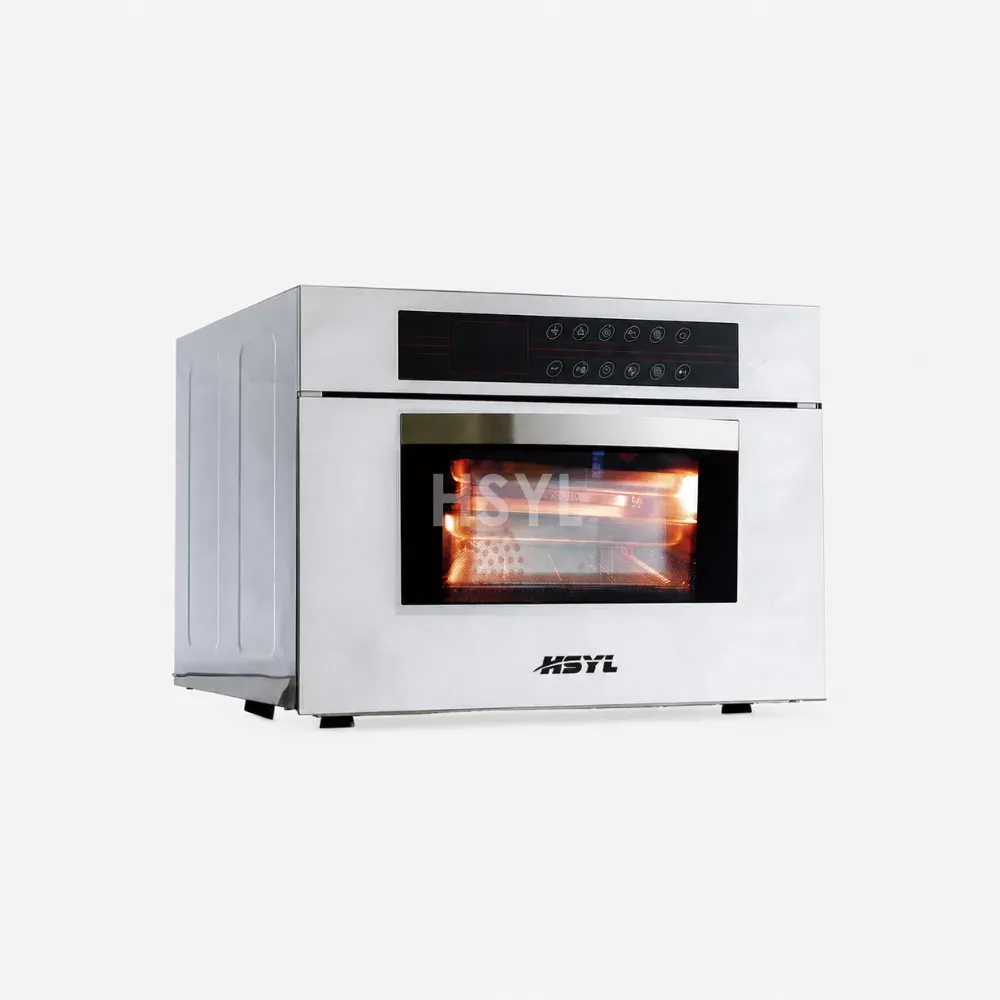
Direct Answer / Key Takeaway: Compare whole-trolley and individual-pan handling using the same supported food duty, including loading, probing, unloading, cleaning and the receiving storage route.
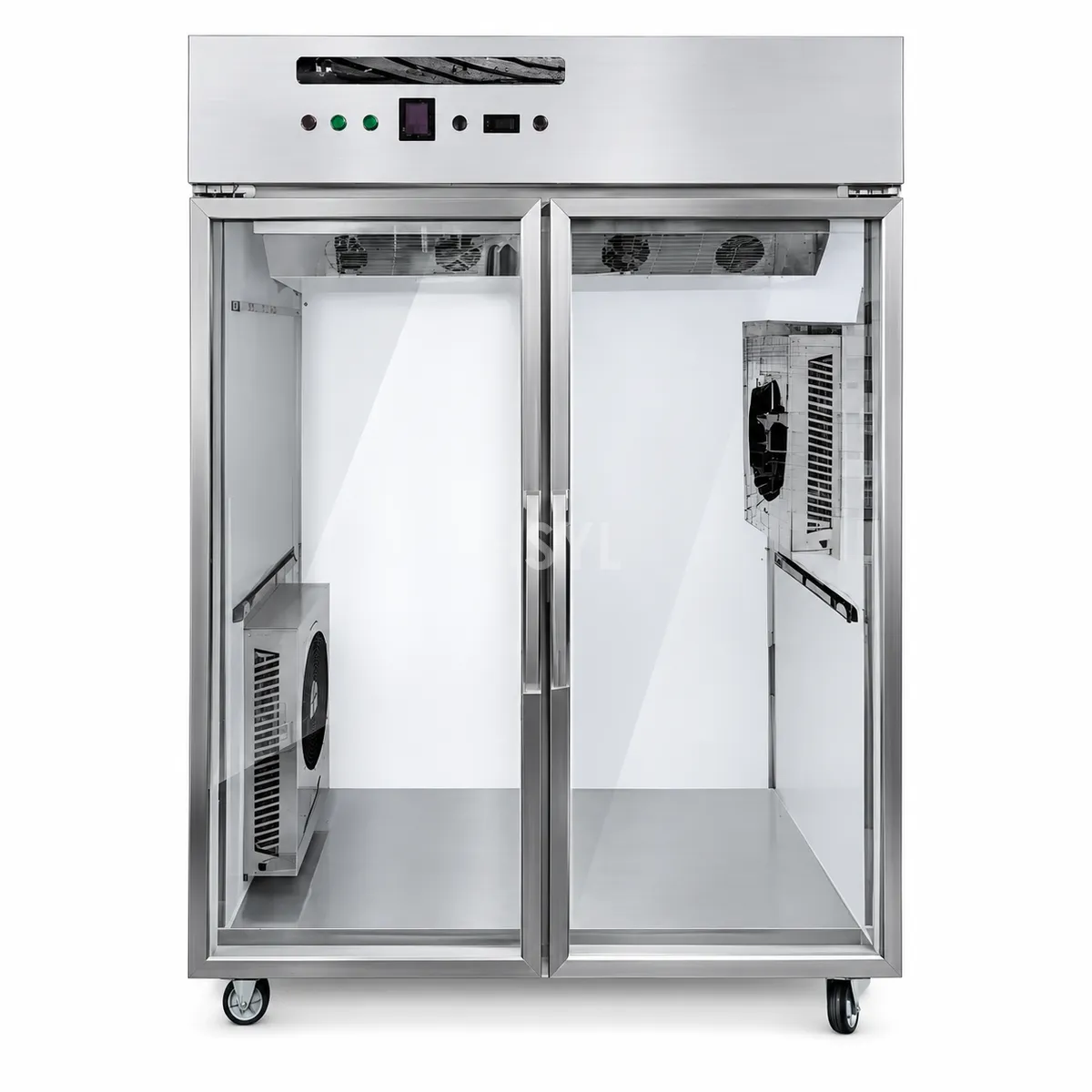
A roll-in blast chiller can change how containers move, but fewer individual pan transfers do not automatically mean fewer paid hours. Compare the complete handling job for the same supported food duty before crediting one arrangement with a labour saving.
Describe two complete proposals. Identify the cooking containers, trolley or rack, probe arrangement and destination after chilling. Have the responsible food-safety team confirm the applicable process and the supplier-supported loading envelope for each. Different accepted batch conditions must remain visible in the comparison.
Walk through one batch from both sides
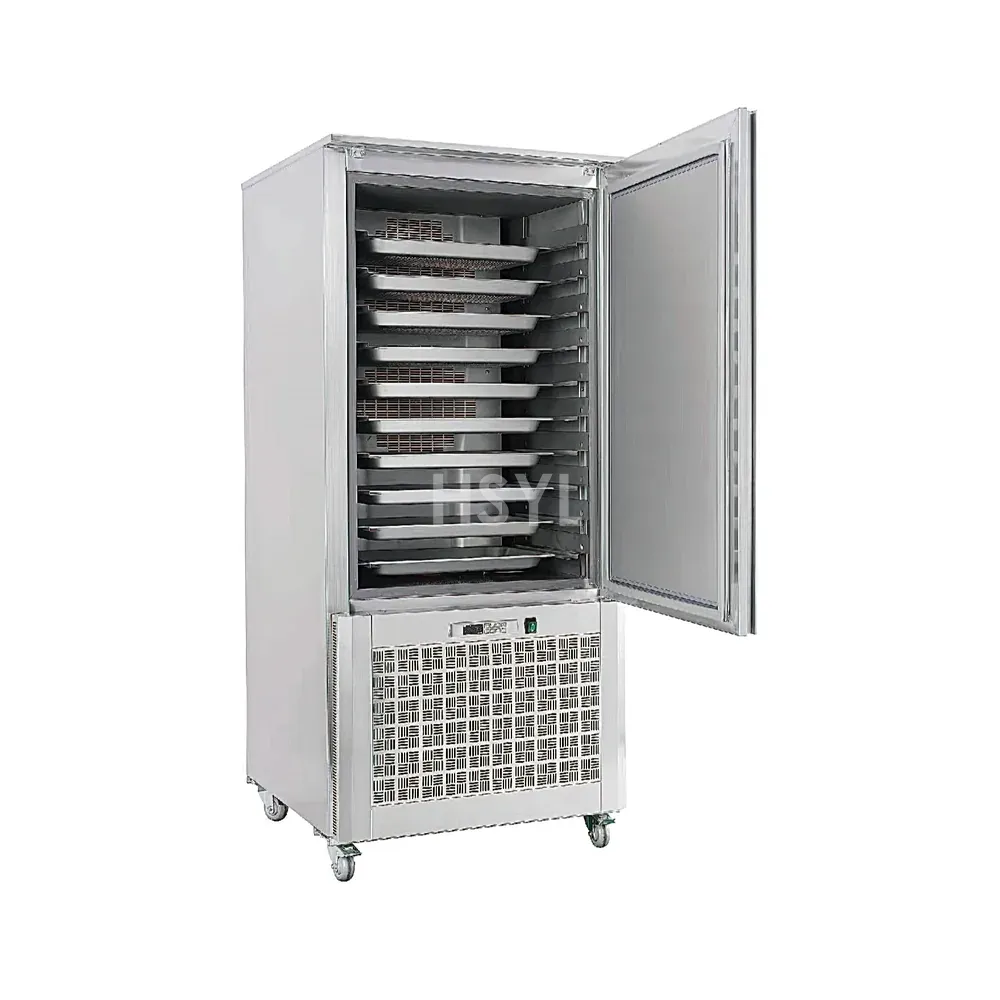
For the roll-in proposal, follow trolley preparation, movement from the prior process, positioning, probe placement, cycle start, probe removal and transfer onward. Include any container rearrangement required before entry. A kitchen may still need pan handling if its cooking trolley is not compatible with the chiller.
For the individual-pan proposal, follow the actual safe transfer into the permitted positions and out again, including where a pan is temporarily supported and who performs the task. Keep hot/cold handling precautions within the agreed procedure. Use suitable mock loads for initial movement checks; protect food during any process demonstration.
In both arrangements, include the waiting point, the operator's return path, receiving storage and the preparation for the next batch. The cook-chill handoff should show what happens after the chamber is opened, not end at a completed cooling screen.
Observe tasks and pauses with the intended staff. Separate active handling from waiting for another process or an occupied receiving position. Keep a task that moves to another worker in the account rather than reporting it as eliminated. Cleaning and storing the additional trolley or rack also belongs to its option.
Price the differences that the observation supports
Obtain installed quotations including compatible trolleys, racks, floor-entry work and accessories. Identify any extra reserve trolley needed while one is occupied. Confirm actual service and cleaning requirements for both systems.
Use supported work-time and staffing consequences. If less lifting improves a particular task but leaves the staffing allocation unchanged, describe that practical difference without converting it into a wage saving. Likewise, do not assign throughput gains where the cooking release or receiving cold storage remains the limiting step.
Place the complete comparison in the equipment budget with the same food-process boundary. Where an option still has an unresolved trolley interface or load assessment, keep it conditional. Choose the arrangement that the actual kitchen can move, operate, verify and reset through the full batch job.