Direct Answer / Key Takeaway: Turn the intended foods, pans and trolley arrangement into a representative batch brief, then assess the offered blast chiller against that defined cooling duty.
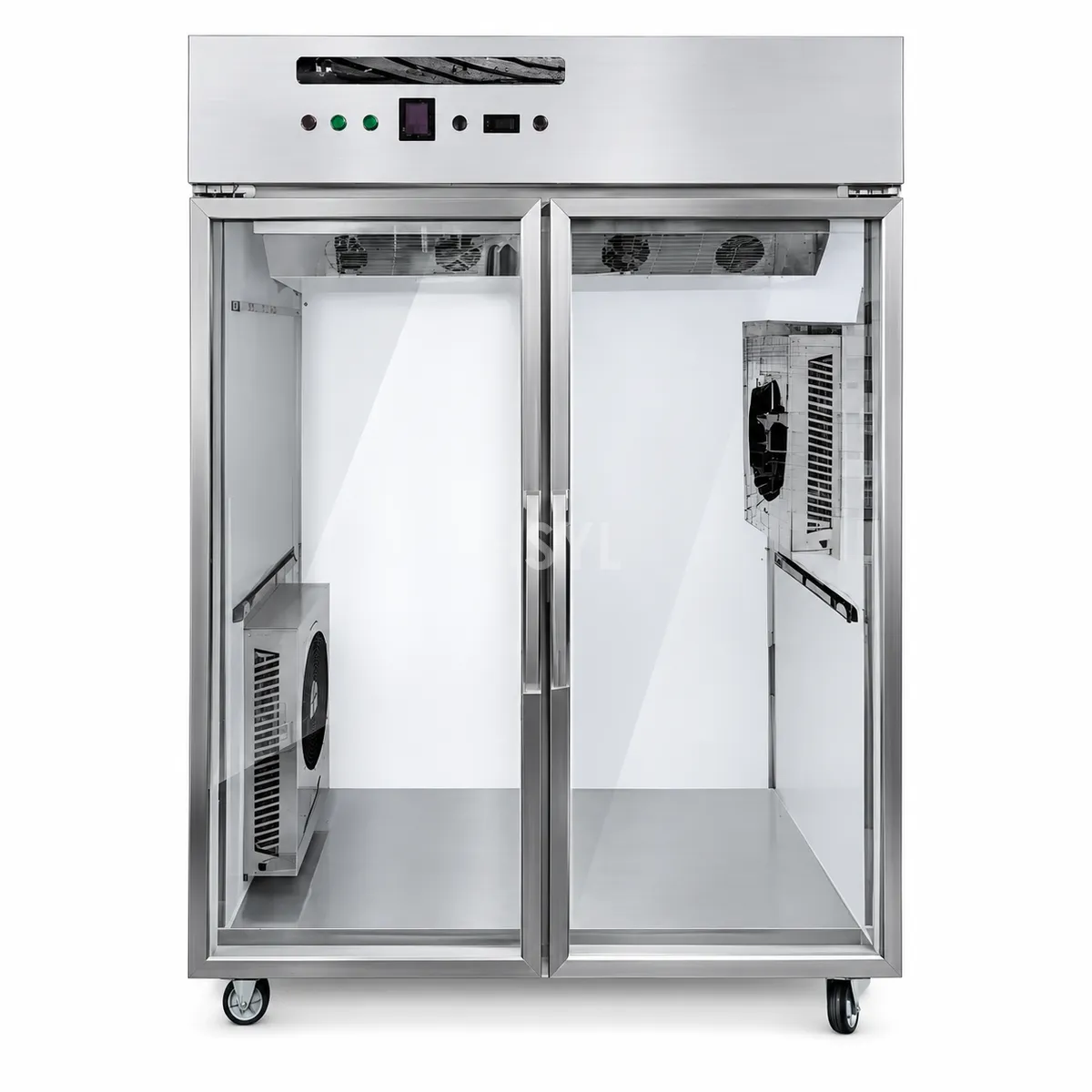
A trolley fitting inside a blast chiller establishes only one part of capacity. The useful sizing brief describes the food, its container/loading arrangement and the cooling duty that must be achieved. Prepare that brief before comparing nominal kilograms or tray counts.
Have the responsible food-safety team define the applicable cooling criteria, time-history boundary, checking method and response if a batch does not meet them. Use the equipment for a process established for the intended foods. A supplier's rated test condition is not a universal rule for every recipe, pan depth or starting state.
Describe a representative batch in physical terms
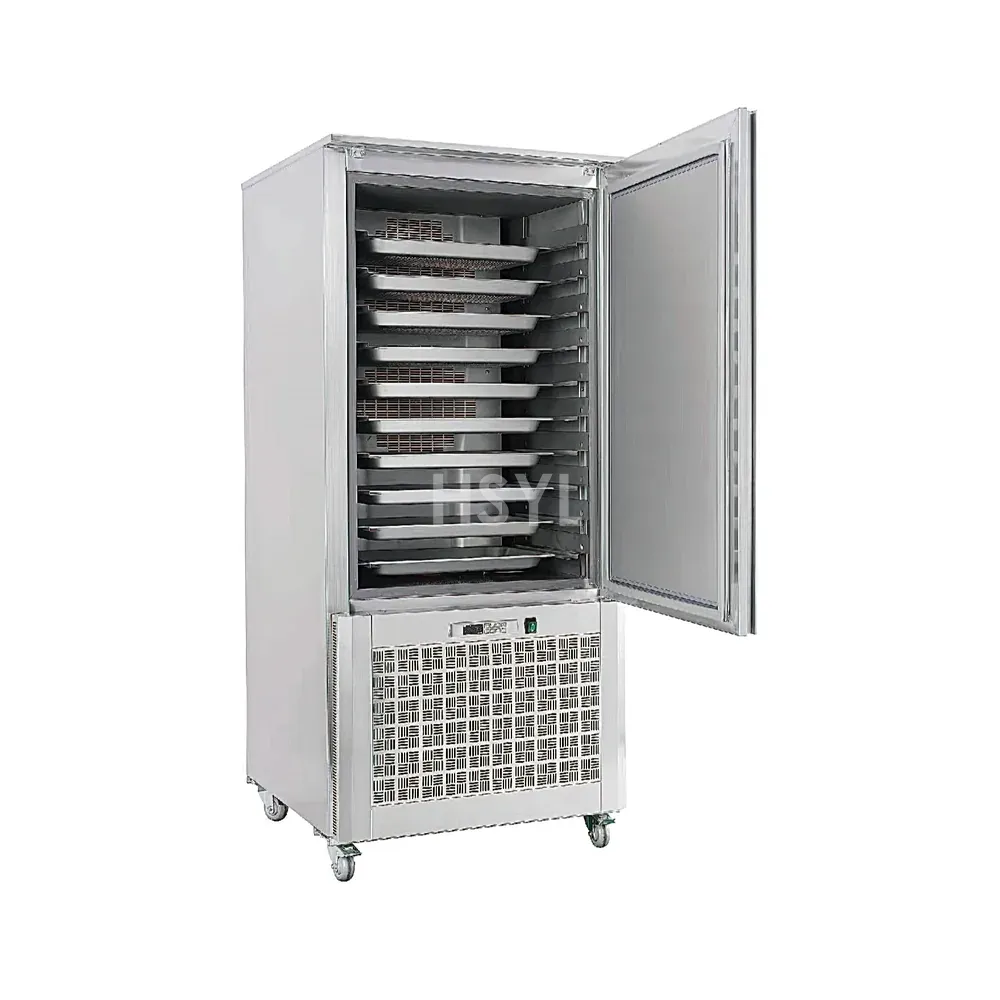
| Batch item | Information to provide |
|---|---|
| Food | Prepared form, relevant recipe/product identity and intended process |
| Starting condition | The actual point at which the cooling time history begins and the represented food condition |
| Containers | Material, dimensions, food depth/portion arrangement and any permitted covering |
| Trolley | Exact model/geometry, tray positions and proposed loading pattern |
| Batch quantity | Food mass and container distribution, kept separate from trolley carrying limits |
| Assessment | Relevant food measurement positions, end criteria and required evidence |
List materially different foods or loads separately. A trolley of shallow portions does not represent deep containers merely because total mass is equal. Mixed loads also need assessment of whether the proposed combination can share the intended process and loading arrangement.
Give the supplier the concurrent food-load brief and request the exact offered configuration with its supported capacity conditions. Identify the compatible trolley and any required accessories. Keep structural trolley capacity and cooling-process capacity as separate limits.
Where a demonstration or validation is required, agree it with the supplier and competent food-safety people using controlled conditions and protection of food. Identify the actual load map, measurement method and relevant difficult positions. Retain deviations or missing results openly; a cabinet-air display or one convenient food reading cannot silently represent the whole load.
Use the assessed result to define the accepted batch envelope and any unresolved combination. If the kitchen changes food depth, container, starting condition or trolley arrangement, review its applicability before increasing the working load.
Finally check how the accepted batch fits the cook-chill production schedule, including loading, unloading, reset and receiving storage. A physically acceptable batch may still arrive when the chiller is occupied. Size the process and the work pattern together rather than treating a trolley slot as guaranteed hourly output.