 HSO Electric and Gas Steamer Cabinet Range
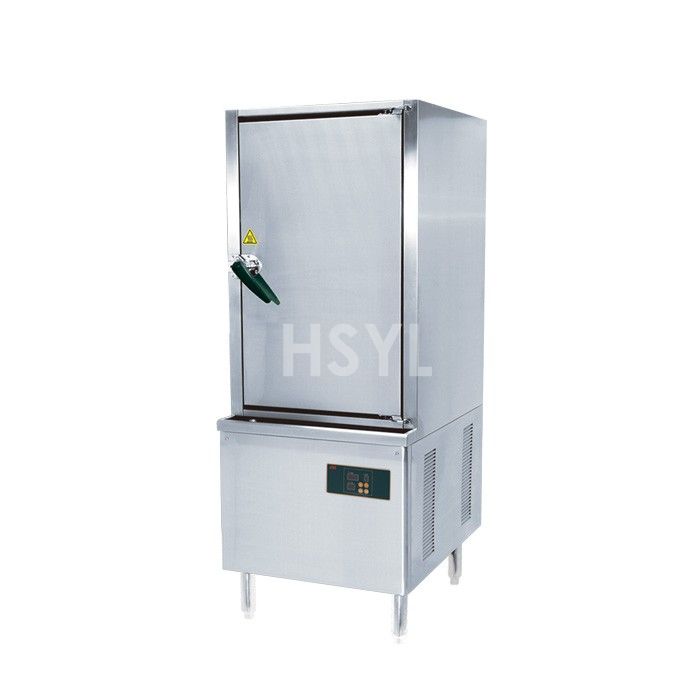
The HSO steamer cabinet range includes gas and electric models for tray-based cooking. Select a cabinet around the food, tray arrangement and production schedule, then check the services and installation space for the offered configuration.
Model Shortlist
| Model | Heating type | Listed tray size |
|---|---|---|
| HSO-3G | Gas | 400 x 600 mm |
| HSO-2G | Gas | 400 x 600 mm |
| HSO-1G | Gas | 400 x 600 mm |
| HSO-3E | Electric | 400 x 600 mm |
| HSO-2E | Electric | 400 x 600 mm |
| HSO-1E | Electric | 400 x 600 mm |
Confirm the tray quantity, usable spacing and permitted loading for the selected cabinet. Model names and tray dimensions alone do not establish the number of meals that can be produced in a batch.
Build the Batch Plan
Provide the food type, portion quantity, tray depth and required finishing time. Different foods and loading depths need different cooking cycles. Include loading, unloading and the time between batches when comparing the cabinet with the service schedule.
Match the Heat Source to the Site
For gas models, confirm the fuel type, supply conditions and installation requirements. For electric models, confirm the voltage, frequency, phase and available capacity. Request the rated input and complete connection schedule for the version offered, together with water, drainage and ventilation requirements.
Compare Gas and Electric Models on the Same Cooking Duty
Compare a commercial gas steamer and a commercial electric food steamer using the same menu, tray loading and required finishing time. A different heat source does not by itself show that two cabinets provide the same usable batch capacity.
| Keep the requirement consistent | Ask each quotation to identify |
|---|---|
| Food and tray load | The tray arrangement, loading limits and cooking duty being proposed. |
| Service window | The batch sequence and the basis used to assess whether the required output fits the available time. |
| Site connections | The model-specific fuel or electrical requirements, plus water, drainage and ventilation. |
| Supply boundary | Included trays, accessories and commissioning scope, with site installation work identified separately. |
For a gas model, confirm the exact fuel and supply conditions the offered build requires. For an electric model, confirm the site's voltage, phase, frequency and available capacity against the connection schedule. Do not assume either version can be installed using the connections left by a different cabinet.
If operating cost is part of the decision, request energy-use information for a defined duty and apply the local tariff to that basis. Keep installation changes and purchase cost separate; the rated input alone is not an annual running-cost calculation. The kitchen equipment budget guide helps keep those budget lines visible.
Check the Installation Drawing
Review cabinet dimensions, door movement, tray loading space and service access before finalising the kitchen layout. Include the delivery route and nearby equipment. Controls and heat-recovery features may differ between configurations; list required functions explicitly in the enquiry.
If the menu also requires hot-air cooking, compare the commercial combi oven range against the processes you need.
Plan Cleaning Around Water Conditions
Ask for the cleaning and scale-control instructions for the selected cabinet and the site water conditions. Keep drains and service points accessible. Follow the operating instructions for safe shutdown and cooling before maintenance.
Request an HSO Cabinet Quote
Send the model shortlist, menu, batch quantities, tray requirements, available utilities and destination. Ask the quotation to confirm cabinet dimensions, loading arrangement, controls and accessories. Send your requirements to HSYL.