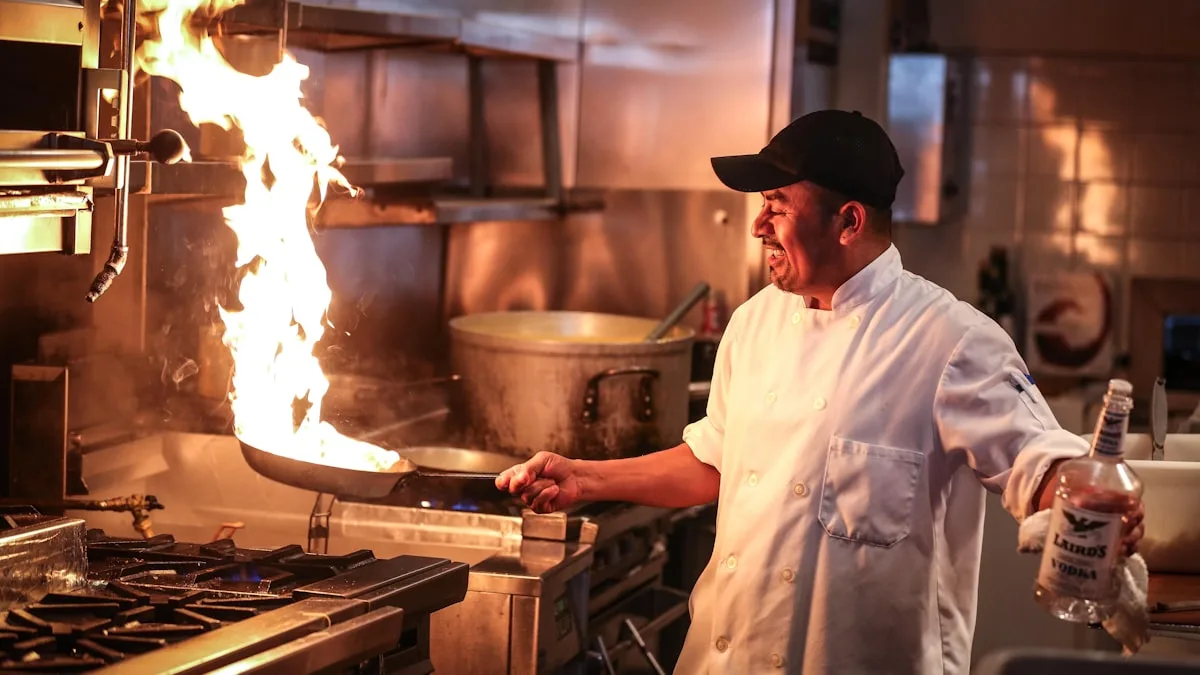
Stadiums, sports arenas, convention centers, and major event venues operate under the most extreme revenue-density curve in the foodservice industry: generating up to 70% to 80% of total event food sales within a narrow 15 to 20-minute halftime or intermission window. In this high-stress environment, equipment cannot afford even a 60-second recovery lag. Sizing sports venue kitchens requires engineering a seamless network of centralized production commissaries that bulk-prep and stage items, feeding decentralized satellite concession stands optimized for rapid customer throughput, ergonomic pass-through warming, and ultra-fast POS transaction times.
Key Takeaway for Concession Operators: In stadium foodservice, speed of service equals revenue. If a customer sees a 15-person line moving slowly at halftime, they walk away and that sale is permanently lost. Specifying high-recovery open fryers, high-speed conveyor broilers, and heated pass-through holding cabinets keeps line wait times under 90 seconds while maximizing profit per minute.
1. Halftime Surge Engineering: Designing for 20-Minute Revenue Waves
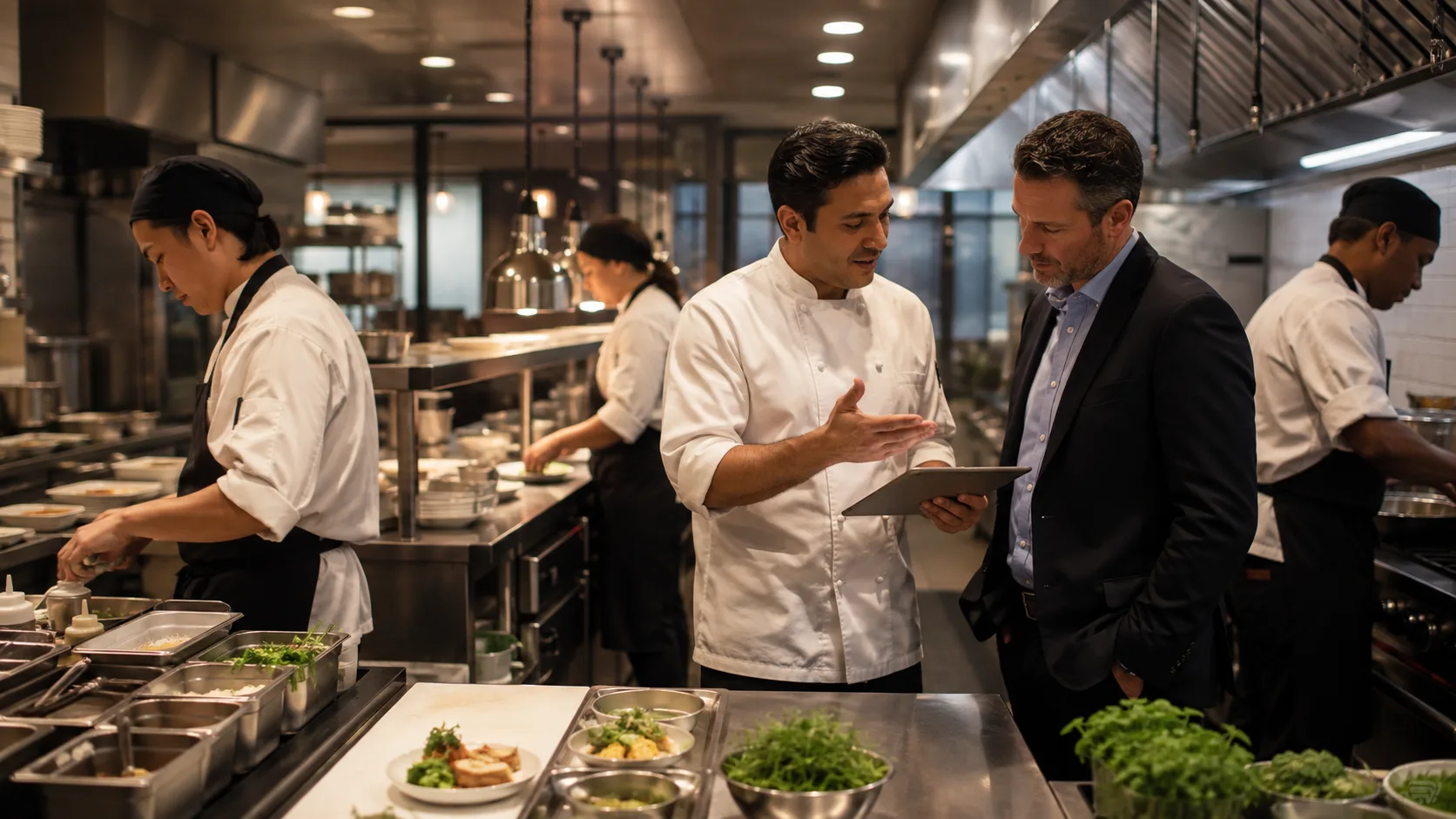
Sports venue foodservice architecture divides into a two-tier operational hierarchy:
- Tier 1: The Central Arena Commissary: A back-of-house production engine where bulk burger patties, hot dogs, chicken tenders, and pretzel dough are prepared, baked, or par-cooked prior to gates opening.
- Tier 2: Satellite Concession Pods: Compact front-of-house culinary pods distributed across concourses, featuring short-run cooking, rapid finish, and immediate heated grab-and-go presentation directly behind cashiers.
2. High-Recovery Concession Cookline Specifications
Concession stands operate under relentless peak loading where cold frozen product is dumped continuously into cooking equipment. Substandard equipment suffers severe oil temperature drop and long recovery lags:
| Concession Equipment | Primary Menu Function | Engineered Specification | Halftime Performance Benchmark |
|---|---|---|---|
| High-Recovery Gas/Electric Fryers | French fries, chicken tenders, churros | Twin-tank split vat / 80,000–120,000 BTU or 22 kW | Rapid 10-second thermal recovery between basket drops prevents soggy, oil-saturated fries and keeps fry lines moving continuously. |
| Conveyor Burger Broilers | Hamburgers, cheeseburgers, sausage patties | Dual-belt automated conveyor broiler | Cooks up to 600–900 fresh or frozen patties per hour with zero manual flipping; consistent charbroiled crust on every burger. |
| High-Speed Countertop Combi Ovens | Pizzas, nachos, pretzel regeneration | Accelerated cooking (microwave + hot air impingement) | Bakes a raw personal pizza in 90 seconds or reheats a frozen Bavarian pretzel in 25 seconds at 280°C. |
| Pass-Through Heated Display Cabinets | Holding wrapped burgers, dogs, and tenders | Dual-access glass doors with independent shelf heat | Cooks load from the rear while cashiers pull from the front; radiant heat keeps wrapped foods hot and appetizing for up to 45 minutes. |
3. Mobile Staging & Fast Grab-and-Go Kiosks
Modern sports venues increasingly incorporate self-checkout micro-markets and express grab-and-go counters along stadium concourses:
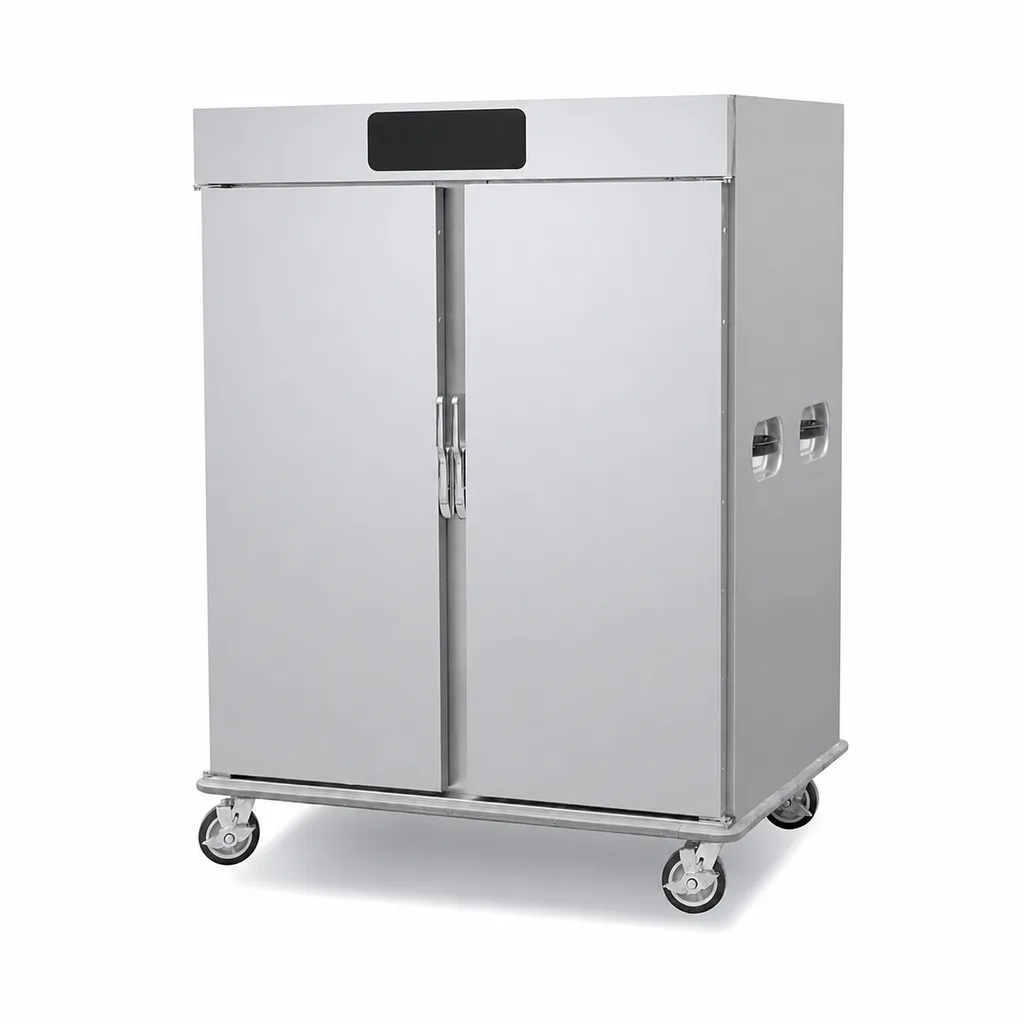
- Mobile Heated Holding Cabinets: Heavy-duty polyurethane wheeled insulated cabinets holding up to 32 sheet pans of pre-wrapped hot food, transported seamlessly from the central kitchen to concourse pods 15 minutes before halftime.
- Open-Front Air-Curtain Multideck Warmers: Heated display cases where fans grab pre-packaged items and scan at self-service RFID/barcode checkout kiosks, reducing transaction times from 90 seconds to under 20 seconds.
- Integrated Sneeze Guards & Cashier Baffles: NSF-certified tempered glass sneeze barriers with integrated payment terminal pass-throughs ensuring sanitary safety while maintaining visual merchandising.
4. Post-Game Washdown & Off-Season Protection
Stadium concession stands operate in bursts, followed by days or months of dormancy between games and concerts:
- High-Pressure Hose-Down Capability: Specify stainless equipment mounted on heavy-duty locking casters with flexible quick-disconnect gas and water lines, allowing crews to pull equipment forward and wash down tiled walls and floor drains in minutes.
- Water-Resistant Electricals (IP65 Enclosures): Controls, digital displays, and electrical disconnect switches must withstand washdown spray without short-circuiting.
- Off-Season Storage Protection: Stainless steel AISI 304 construction prevents atmospheric corrosion, humidity oxidation, and pest infestation during prolonged winter shutdowns.