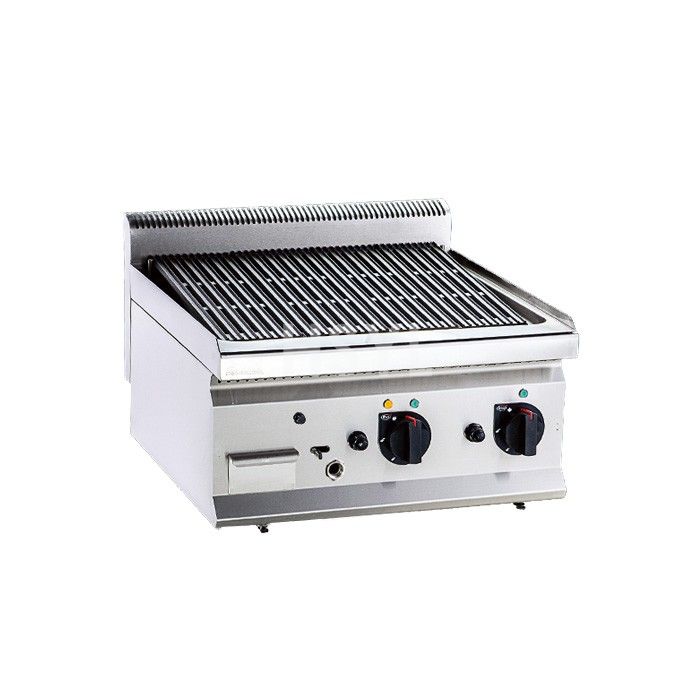
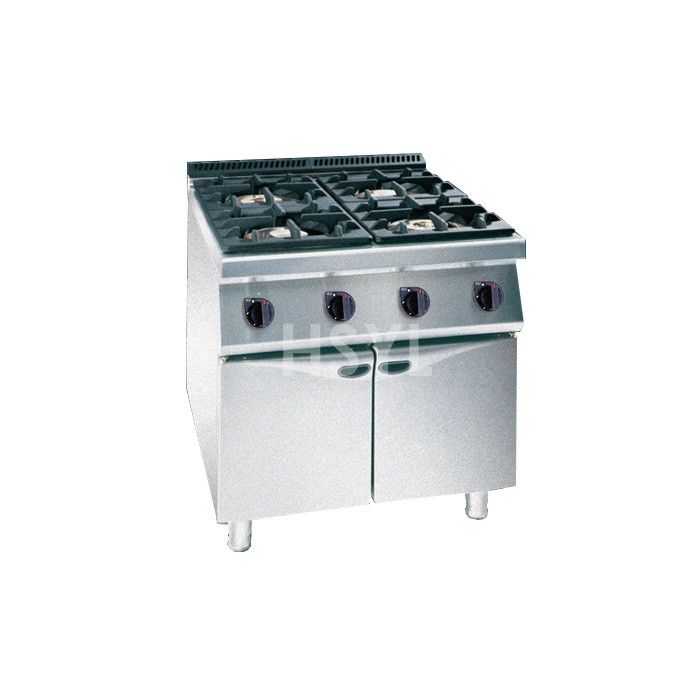
A search for a conventional oven for commercial use can describe two different requirements: a standard enclosed oven rather than a combi appliance, or specifically still-air heating rather than forced-air convection. A quotation that says only “conventional oven” does not settle either point. Define the cooking mode first; only then can two offered models be compared fairly.
Which meaning belongs in your buying brief?
- Still-air heating required: ask which elements heat the chamber and whether the selected mode runs without a circulation fan. Do not assume that a product category name proves this mode exists.
- An enclosed commercial oven is enough: specify the food and finished result, then allow suppliers to propose the heating method. Compare the outcome and operating work, not a label.
- Steam or humidity is needed: describe that function explicitly. A combi oven may be relevant, but it should be compared as a separate capability with its own water, drain, cleaning and utility requirements.
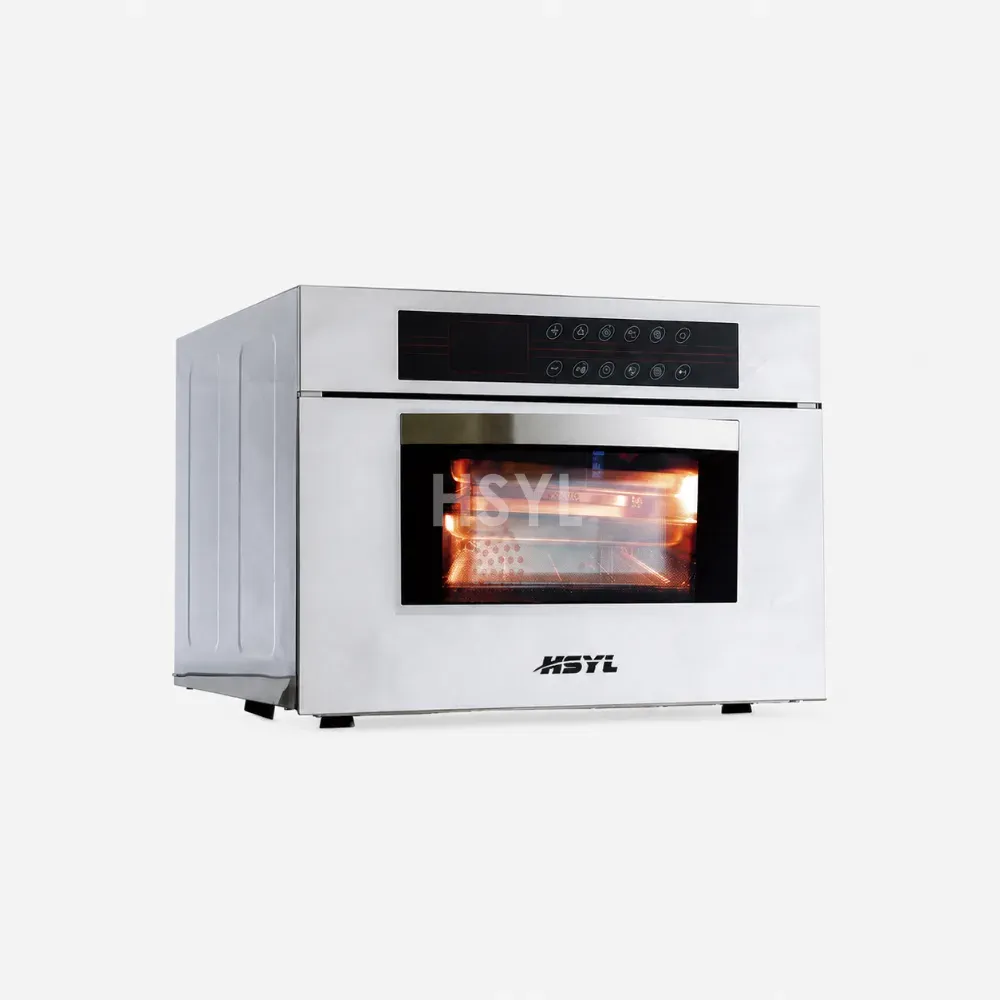
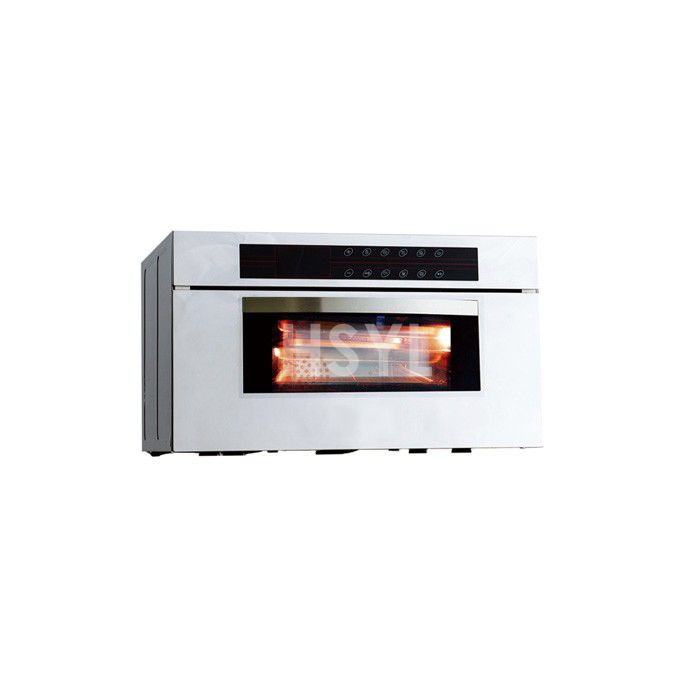
The photographed CK-HCO-2A is a combi oven used here to make the distinction visible. Its image is not evidence that HSYL offers a still-air conventional model. The commercial oven references are a starting point; the exact model and heating description must appear on the current quotation.
Send the same specification to every supplier
“Quote the exact model code and state the heating elements and air-circulation method used in the mode proposed for our product. Identify whether steam or humidity control is included. State the usable tray size, number of loaded tray positions, supplied racks, electrical or gas connection and installation clearances. Demonstrate our recipe with the stated tray load and record the finished result on each occupied position.”
Attach the recipe, product height, tray format and the kitchen's acceptance standard. During a demonstration, record any tray rotation, preheat, unloading and recovery work. Rotation may be acceptable, but it changes operator time and the number of finished batches that fit the production window. Compare offers only after the same food and loading conditions have been used.
Finally, check door swing, hot-tray route, ventilation, working height and cleaning access on a dimensioned site drawing. If a supplier cannot identify the heating mode for the exact offered unit, keep that quotation open rather than treating an ambiguous label as an approved specification. For a separately defined steam requirement, use HSYL's combi oven selection guide. Send HSYL the cooking mode you require, recipe and tray format to request a model-specific response.