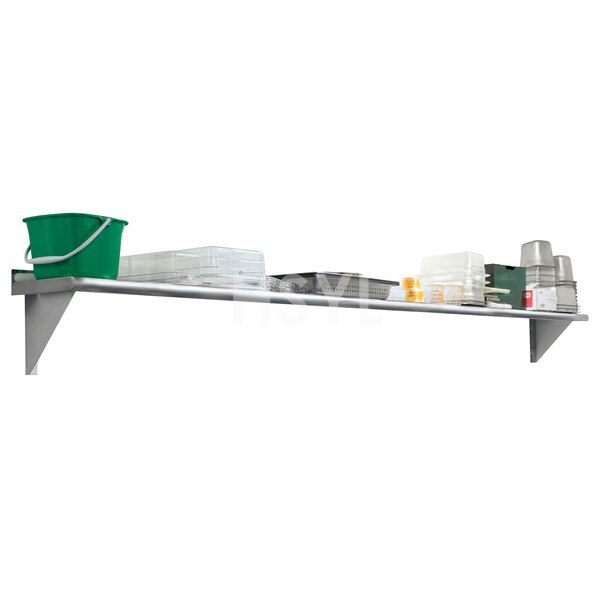
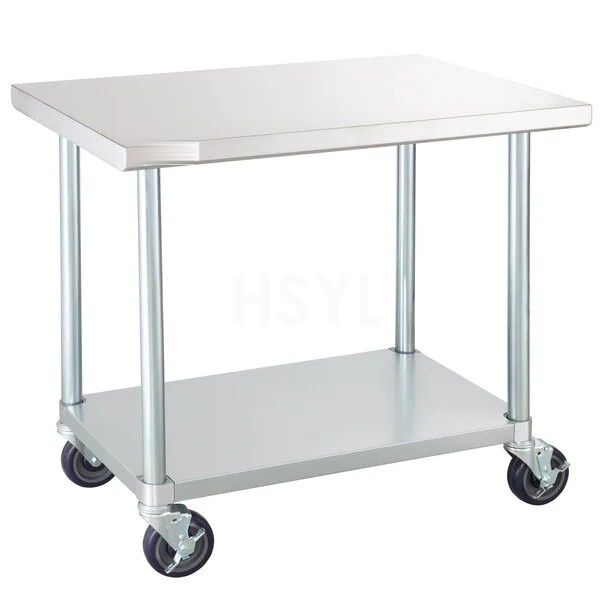
Direct Answer / Key Takeaway: Document when a table became unstable and inspect its permitted support arrangement. Keep floor adjustment, damaged joints and overloaded storage distinct for service.
A table that begins to rock needs a support check before someone repeatedly turns its feet or tightens every visible screw. The table, its load and its position may have changed. Keep the unstable station out of use where it cannot safely support the task, and arrange inspection without working beneath unsupported equipment.
Establish what changed
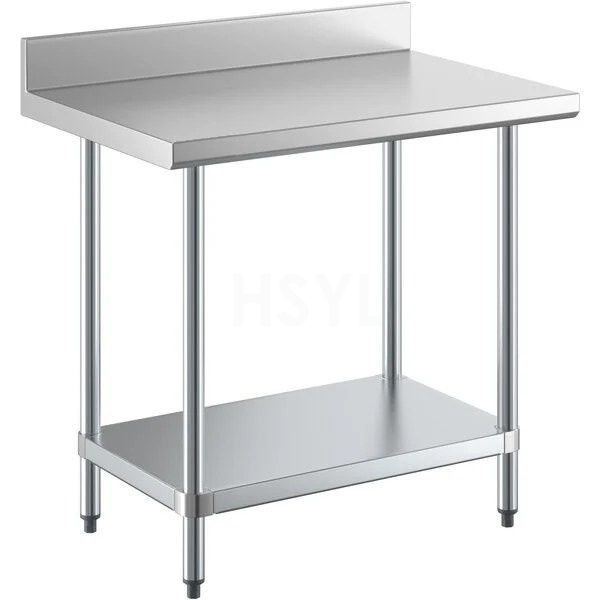
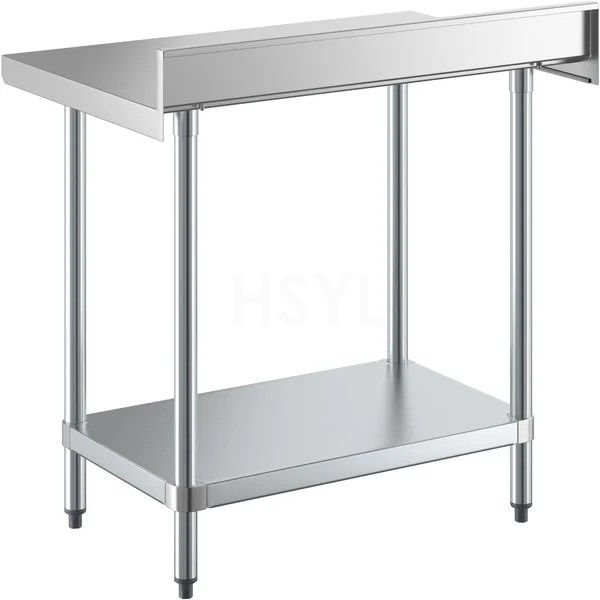
Record when the movement was first noticed and whether it followed relocation, cleaning access, assembly work or a change in stored items. Identify the table and retain its drawing or purchase reference. A welded structure and a knock-down structure do not have the same joints to inspect.
Describe the location of the movement from a safe observation. State whether it occurs in the top, shelf or whole table rather than assigning a failed foot as the cause. Photographs should show the table's position, intended support points and surrounding floor, without requiring staff to crawl beneath a loaded top.
Separate support from structural condition
| Review area | Information to check against the table's instructions |
|---|---|
| Floor and position | Changes in the standing surface, obstructions and whether the table remains at its agreed location |
| Feet | Correct components, visible damage and whether adjustment remains within the permitted range |
| Assembly | Required braces, shelf attachments and the actual fastening arrangement |
| Structure | Visible distortion, cracked joints or a changed relationship between top and legs |
| Load | Items on each surface and their distribution compared with confirmed limits |
The inspection should be organized by a competent person using a safe unloading and access plan. Do not loosen a loaded leg socket to see what happens. Improvised shims, added braces or a copied tightening torque can change the support without resolving why it became unstable.
If the structure is damaged or the required instructions are unavailable, send the observations to the supplier. Ask for the confirmed repair or replacement scope, not merely a suggestion to level the feet. Do not assume every table uses the same threaded foot or set screw.
Restore the task as well as the support
After authorized work, verify the final position, height and support under the agreed acceptance method. Check the placement of stored containers and any appliance on top against the supplier's limits. The table and undershelf arrangement should match the actual work rather than become a place for accumulating unplanned loads.
Record the established finding and work completed with the table's reference. If staff must move it for routine cleaning, obtain the supplier's approved movement and repositioning instructions.