Direct Answer / Key Takeaway: Plan commercial dishwasher replacement around temporary washing, verified utilities, access, commissioning and a clear return-to-service decision.
Commercial dishwasher replacement planning is a service cutover project. The new unit must arrive, fit the route, connect to verified utilities and pass the agreed checks while the operation maintains an approved way to wash its tableware. A delivery date alone is not a return-to-service plan.
Build the cutover around the real meal windows and the responsibilities of the operator, supplier, installer and responsible sanitation lead. Some sites can complete the work during a closure period; others need a temporary arrangement. The plan should state which condition applies rather than promising uninterrupted operation.
Before committing to the replacement
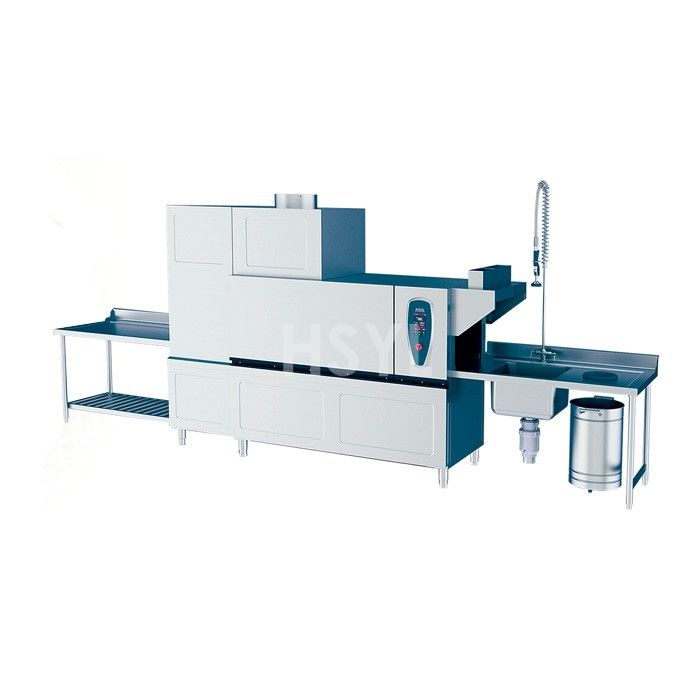
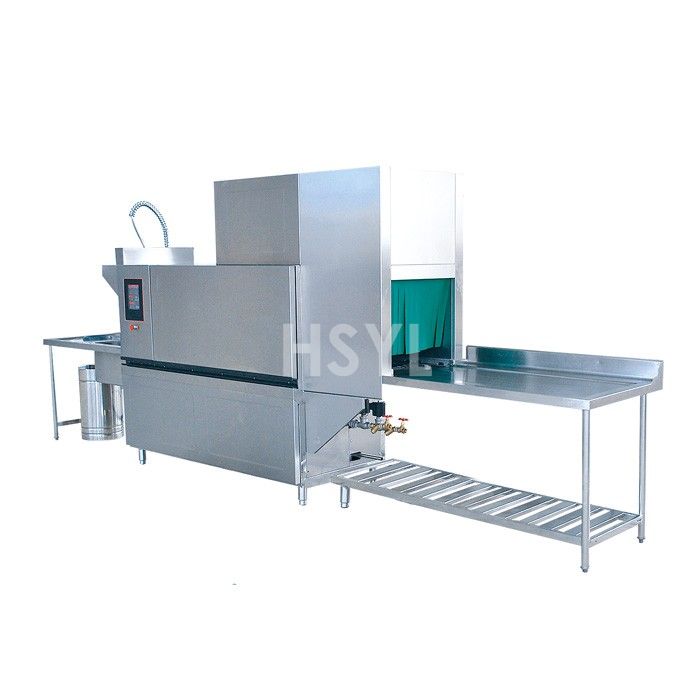
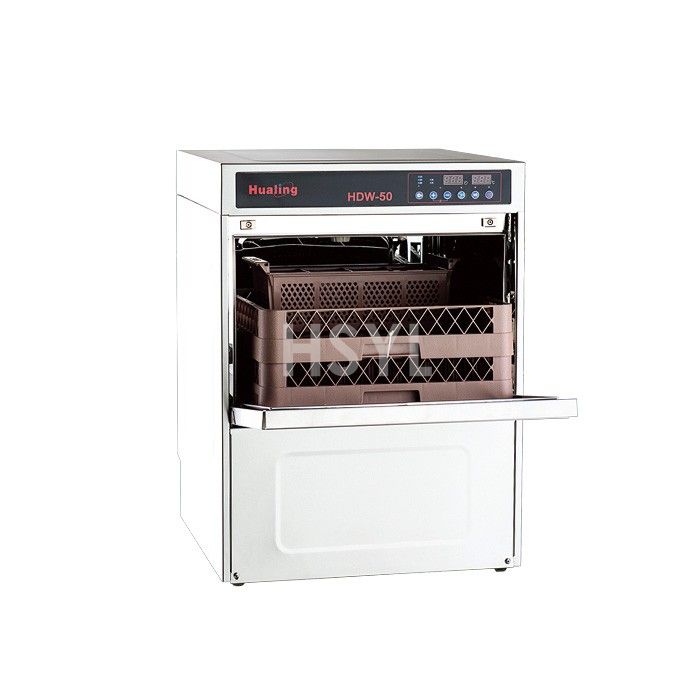
Confirm the offered model and configuration against the actual tableware, racks, return wave and site interfaces. Check the machine envelope, door movement, service access and loading height. Include tables, supports and accessories when comparing the new work position with the old one.
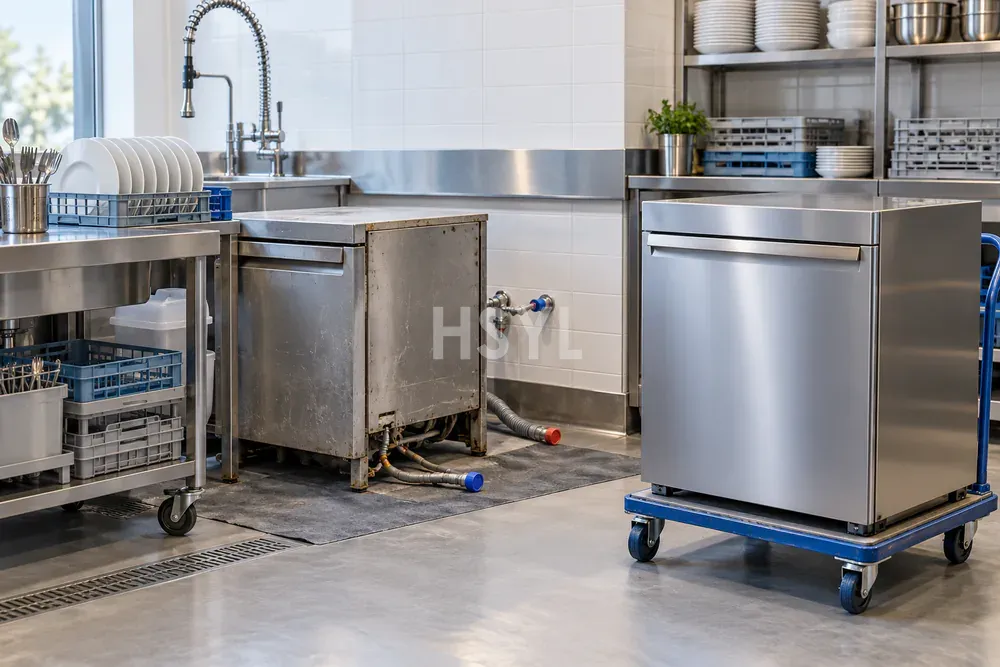
Survey the complete delivery and removal route. Verify packaged dimensions as well as installed dimensions, turns, thresholds and available handling space. Identify whether the old equipment can be removed before the new unit arrives or whether both must temporarily occupy the site.
The utility record should describe the verified electrical, water, drainage, heating and other interfaces applicable to the exact unit. Use the equipment utility schedule to coordinate the information, with competent installers resolving the design and connection details.
Release the temporary wash arrangement
Define the service demand that must be handled while the normal machine is unavailable. List item groups, meal windows, required clean stock and the approved alternative washing process. Obtain the appropriate operational and sanitation approval before using a temporary method.
Identify its people, space, supplies, inspection and clean-storage needs. A plan that merely says use another sink may omit the required process, suitable facilities or the ability to meet demand. Include how dirty items and accepted clean items remain separated during the works.
Example planning scenario: a cafeteria schedules replacement after lunch but serves another meal later that day. Its cutover plan defines the latest approved completion time, the temporary process available if that time is missed, and who decides whether the normal service can resume. This is a planning example, not a promised installation duration.
During the cutover window
Use an agreed work boundary so operational staff know which route and equipment are unavailable. Isolation, removal, installation and reconnection belong to the approved procedures of competent personnel. Assign a single coordination contact for changes instead of letting several parties independently revise the sequence.
Keep the new configuration and any interface changes traceable. If the offered unit differs from the released drawings, stop the comparison and obtain the appropriate decision. A last-minute substitution can affect fit, utilities, operating instructions and the acceptance basis.
Record actual progress against the planned decision points. If work overruns, use the released contingency instead of treating a partly commissioned machine as ready simply because the next meal is approaching.
Make return to service a documented decision
Agree the checks with the installer, supplier and responsible operation team. They should cover the supplied configuration, connected interfaces, approved operating sequence, relevant sanitation verification, representative tableware and the surrounding load/unload positions.
Retain the checks that still depend on another party or condition. A powered display is not a complete commissioning record. Demonstrate that staff can follow the exact machine's operating and cleaning instructions and identify the consumables and service information required after handover.
Review the first real meal window
After the agreed release, observe the complete return wave. Track rack compatibility, rejected items, unloading, clean storage and any interruption. Compare the line with the original replacement requirement, not only the installer's demonstration.
File the final utility record, operating documents, configuration, commissioning results and open-item owners. That package supports later service and gives the kitchen a clear record of what changed. It also distinguishes a physically installed dishwasher from a dishroom that has actually returned to its approved production role.