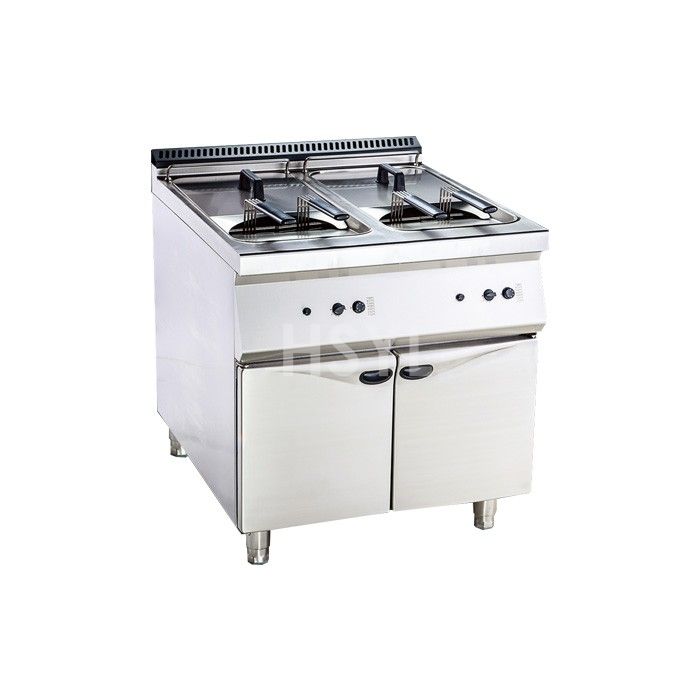
Direct Answer / Key Takeaway: Plan a commercial fryer oil filtration workflow around breaded-product loads, approved procedures, downtime, filter media and service-ready capacity.
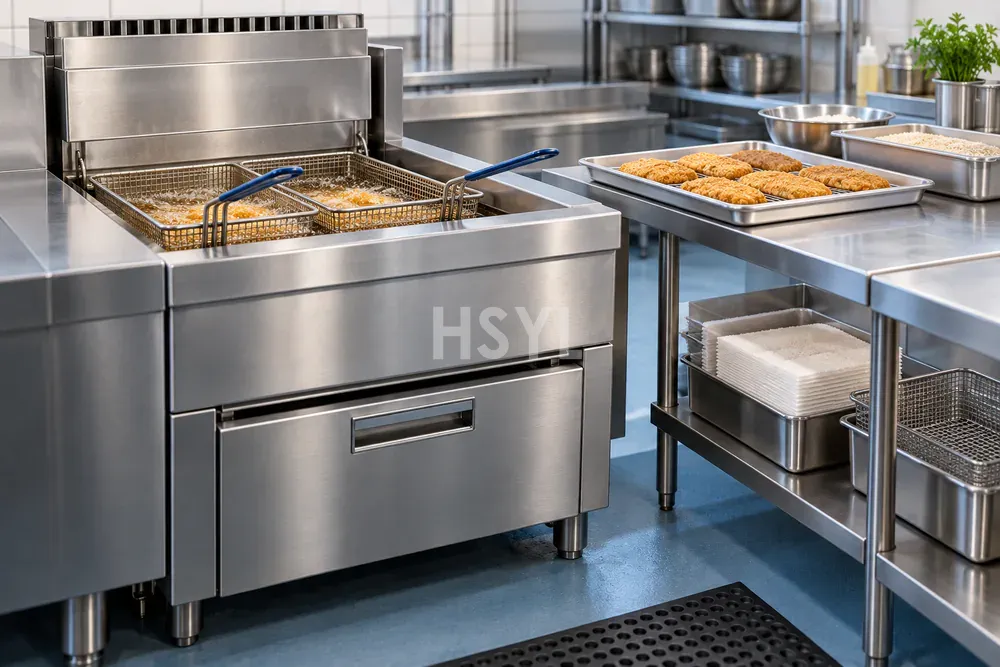
A commercial fryer oil filtration workflow has to fit both the product load and the meal-service schedule. Breaded products introduce a different residue workload from a lightly coated or unbreaded menu. The kitchen needs an approved filtration procedure, available people and a clear plan for the cooking position while it is unavailable.
Start with the exact fryer and filtration configuration. This article organizes workload and scheduling records; the equipment manufacturer's instructions govern the physical operation and handling of hot oil.
Record what the menu puts into the system
List the product families, preparation condition, batch pattern and peak demand. Record routine observations relevant to the facility's approved oil-management process. Do not choose a filtration interval solely from a competitor's schedule or a general claim about extending oil life.
Middleby's fryer guidance highlights breading residue and filtration-related time, labour and media considerations. Use those questions to structure the review, then obtain the exact offered machine's permitted operating procedure and product requirements.
Keep the oil system's menu role identifiable. A change in product or the facility's allergen-control arrangement may require a separate review of equipment and oil handling. Filtration should not be described as a general validation that shared oil is suitable for every menu group.
Measure the complete approved downtime
Observe the authorized procedure with trained staff and record the beginning and the point at which the cooking position is released for its next task. Include the required preparation, filtration work, approved checks and restoration to operating readiness. Keep operator attendance separate from the period the fryer cannot be used.
The model-specific fryer manual is an example of the controlled information that should govern operation. Do not improvise valve sequences, temperatures, pumping or transfer arrangements from a generic article.
| Planning record | Question it answers |
|---|---|
| Presented menu load | What products and service wave preceded the work? |
| Approved procedure | Which exact instructions govern the configuration? |
| Occupied interval | When can the fryer next accept a permitted load? |
| Operator attendance | Which other production tasks need staffing cover? |
| Media and consumables | What stock supports the released procedure? |
| Release checks | What evidence permits cooking to resume? |
Place the filtration window inside the service plan
Write the next product-release deadline alongside the observed downtime. If several vats or independent cooking positions are available, verify which menu can use the remaining positions under its approved process. Do not assume their capacities can simply be added after one position is removed.
In an illustrative schedule, a kitchen reserves a defined interval between two service waves for the approved work. Its fallback plan identifies an authorized alternate product release if the interval is missed. The schedule is an example of coordination, not a recommended filtration frequency or a promise about recovery time.
Review whether one filtration arrangement serving several positions creates a queue of its own. Record equipment availability and operator movement during a representative sequence rather than evaluating only the fastest isolated operation.
Compare proposals with the same reporting boundary
Ask each supplier to identify the exact system, permitted procedure, required consumables, service access and demonstrated downtime under stated conditions. Compare accepted cooking output and total operating work, not only an advertised filtration duration.
Where an oil-cost study is useful, use measured purchasing, disposal and operating records from the actual kitchen. State product load, period, oil-management criteria and any menu change. Do not assign a universal oil-life extension or savings percentage to the offered fryer.
Retain the approved procedure, workload log, downtime observations and release responsibilities in the operating package. This gives the kitchen a practical way to schedule filtration and gives a supplier an enquiry based on actual production duty.