Direct Answer / Key Takeaway: Professional facility planning guide for Cleanroom Workwear Sterilizer sizing for 300-bed hospital cook-chill workflows. Inspect engineering calculations,.
Selecting commercial kitchen appliances requires an evidence-based engineering assessment of operational loads, utility footprints, and lifecycle reliability. This specification guide analyzes Standard Duty Cleanroom Workwear Sterilizer within the framework of sizing for 300-bed hospital cook-chill operations, providing consulting engineers and hospitality operators with rigorous technical benchmarks.
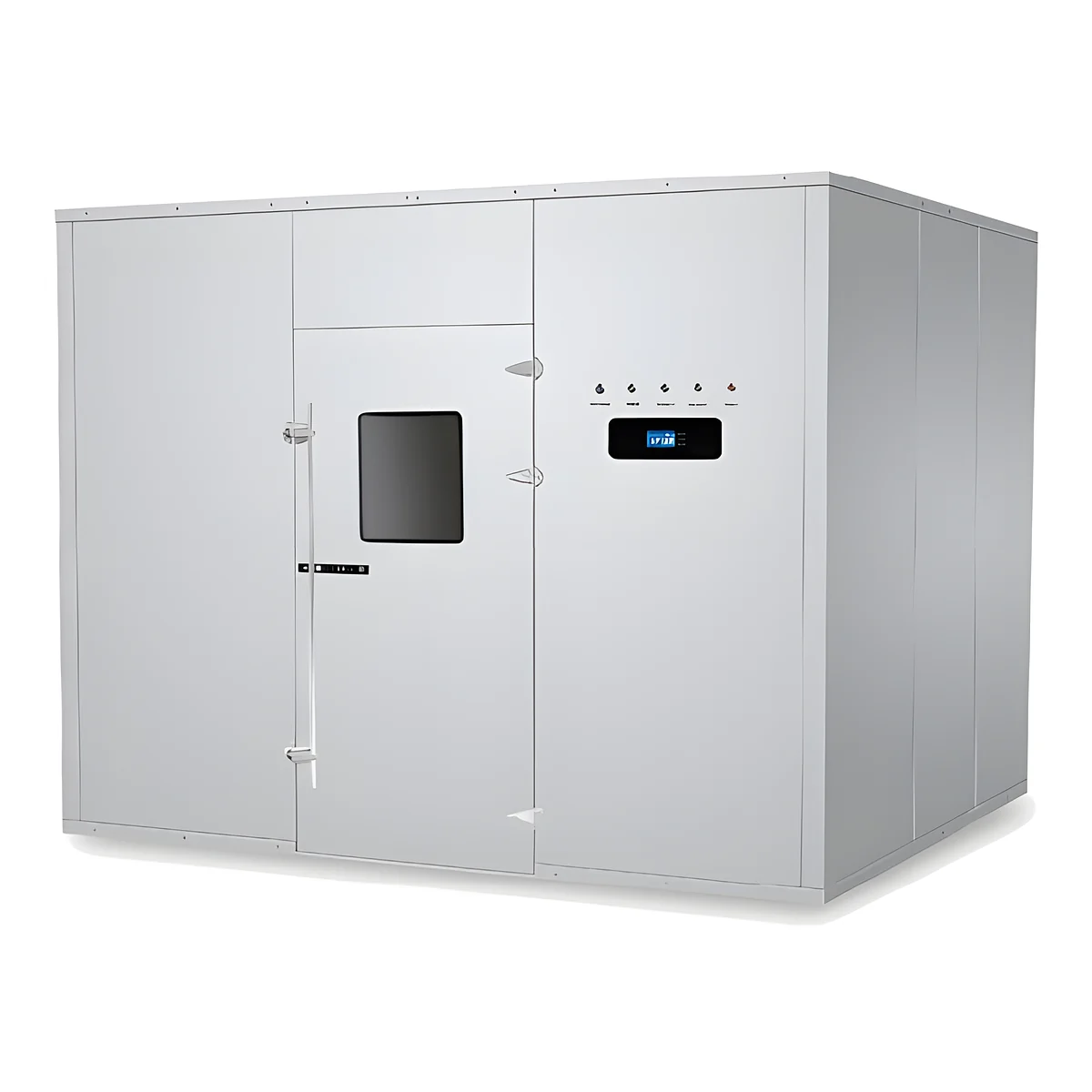
1. High-Volume Catering Scenarios & Station Architecture: Sizing for 300-Bed Hospital Cook-Chill Operations
Acute-Care Hospital Cook-Chill Sizing & Patient Census Sizing Metrics:
In institutional healthcare food service facilities, thermal and refrigeration sizing is fundamentally dictated by clinical patient census dynamics. Hospital dietary engineers calculate capacity using the patient census formula: Total Daily Meals = (Licensed Bed Count * Occupancy Rate * 3 Meals/Day) + Retail Staff Cafeteria Factor (adding 30% to 50% auxiliary volume). For a 300-bed hospital operating at standard 85% occupancy, base patient load equals 765 daily meals, swelling to over 1,140 meals when factoring in multi-shift nursing and medical staff dining. Back-of-house spatial allocation standards mandate 1.0 to 1.2 square feet of dedicated kitchen floor space per daily meal produced. Workstation integration requires strict linear HACCP zoning—separating raw receiving and dirty preparation from thermal cooking lines, blast chillers, and clean tray assembly belts—while providing designated allergen-free and therapeutic preparation zones compliant with IDDSI (International Dysphagia Diet Standardisation Initiative) texture-modified puree guidelines.
When sizing equipment for peak production hours, facility planners must reference verified HACCP sanitation and commercial food contact compliance to ensure capacity reserves remain aligned with scheduled shift turnover targets.
2. Engineering Specifications & Component Material Profiles
The baseline performance data below establishes critical dimensional profiles, energetic consumption limits, and material gauges for Standard Duty Cleanroom Workwear Sterilizer deployed in institutional foodservice facilities:
| Engineering Parameter | Standard Commercial Spec | Heavy-Duty Institutional Spec | Engineering Variance Threshold |
|---|---|---|---|
| Material Construction | AISI 304 (1.0 mm), 220V-240V 1N~ (150-500 W), 254 nm germicidal UV-C lamps, mechanical 60 min timer | AISI 304/316 (1.2 mm), 220V-240V (800-1500 W), combined 85 deg C thermal convection + UV-C, magnetic interlock | Ozone-free quartz glass lamps emitting strictly at 253.7 nm germicidal peak wavelength |
| Primary Engineering Feature | Disinfection Chamber: Mirror-polished AISI 304 interior reflectors maximizing omnidirectional UV-C photon bounce | Reinforced industrial assembly with seamless continuous laser welds | Zero structural deflection under maximum rated loading |
| Operational Subsystem | Safety Interlock: Dual mechanical and optical microswitches instantly terminating UV emission upon door opening | High-efficiency heavy-duty components with dynamic feedback telemetry | Energy efficiency index within top 10% commercial benchmark |
| Sanitary & Safety Rating | Tool Holding Rack: Slotted food-grade silicone inserts accommodating up to 30 chef knives without blade edge contact | IPX5 washdown protection with NSF/ANSI cleanability rating | Hermetic perimeter sealing preventing microbial colonization |
3. Core Operating Physics & Mechanical Subsystem Analysis
Photolytic Germicidal Irradiation & Ozone Sanitation Dynamics: Commercial sanitation cabinets utilize dual-spectrum germicidal UV-C lamps emitting at 253.7 nm wavelength combined with controlled corona-discharge ozone generation. The 254 nm ultraviolet photons penetrate microbial cellular walls and disrupt DNA/RNA thymine dimers, terminating viral, bacterial, and fungal reproductive capacity. Auxiliary ozone gas oxidizes volatile organic odors and sanitizes shadowed crevices inaccessible to direct line-of-sight radiation, yielding comprehensive 360-degree decontamination of knives, stainless utensils, and personal protective equipment.
In institutional catering environments, equipment longevity is heavily governed by surface passivation and corrosion resistance. Units fabricated from high-grade austenitic stainless steel must maintain an uncompromised chromium oxide passivated boundary layer. Regular chemical cleaning with non-abrasive detergents prevents pitting attack from chlorinated sanitizers and atmospheric chlorides.
Understanding these thermodynamic and mechanical principles allows consulting engineers to optimize cycle times, reduce utility peak draw, and eliminate premature component fatigue.
4. Production Yield Calculations & Mathematical Capacity Models: UV-C Germicidal Lethality Sizing
Kitchen throughput modeling relies on proven dimensional formulations to balance batch turnaround against meal wave surges. The calculation below defines nominal capacity requirements:
UV-C Lethal Dose (mJ/cm2) = Irradiance Intensity (uW/cm2) * Exposure Time (sec) / 1000; Target >= 40 mJ/cm2 for 99.9% pathogen kill
For a commercial knife sterilization cabinet with 4 x 15W UV-C tubes delivering 180 uW/cm2 at surface: Exposure time = 40,000 uWs/cm2 / 180 uW/cm2 = 222 seconds (3.7 minutes) to guarantee complete microbial eradication.
Practical sizing engineering requires accounting for the hidden ware factor. Beyond customer dining covers, back-of-house food preparation items (hotel pans, sheet trays, mixing bowls, and prep utensils) contribute an additional 15% to 20% to total kitchen processing loads. Furthermore, thermal transfer times for bulk foods follow the transient conduction square-law relationship (t is proportional to x^2), meaning doubling product depth from 50 mm to 100 mm in pans roughly quadruples core pull-down or heating times. Sizing calculations must incorporate these empirical variables to ensure uninterrupted kitchen workflow.
Employing this sizing method protects the kitchen from meal bottlenecks, prevents premature thermal and mechanical failure, and guarantees compliance with HACCP time-temperature critical control points (CCP).
5. Utility Demands, MEP Rough-Ins & Architectural Coordination
Facility MEP coordination requires precise interface alignments to guarantee operating safety and code compliance. Verify the following site preparation standards for Standard Duty Cleanroom Workwear Sterilizer:
- Power & Electrical Connection: Standard 220-240V single phase 10A circuit; requires zero dedicated high-current breaker.
- Water Supply & Treatment: Completely dry process; no water inlet or drain connection needed.
- Wastewater & Drainage Air Gap: Discharges must connect to temperature-resistant indirect waste lines with an unobstructed physical air gap, conforming to FDA Food Code Chapter 4 backflow mandates.
- Ventilation, Clearances & Environment: Wall-mounted at 1200 mm center height above finished floor in sanitizing staging airlock; dedicated single-phase GFCI protected electrical outlet.
Critical Field Installation Redlines & Contractor Pitfalls: During jobsite rough-ins, engineering teams must enforce the following compliance boundaries to prevent premature equipment failure and voided warranties:
- Direct UV Radiation Exposure: Interlock door switches must immediately de-energize UV-C lamps upon opening; direct exposure causes corneal burn and erythema within seconds.
- Ozone Catalytic Purge Cycle: Automated ozone disinfection cabinets must complete a 15-minute photolytic ozone destruction cycle before door latches release to prevent operator inhalation.
- Dry Staging Requirement: Utensils and knives must be clean and free of water pools before loading; standing water shields bacterial colonies from ultraviolet light penetration.
6. Manufacturing Standards, FAT Compliance & Safety Dossiers
Rigorous factory acceptance testing (FAT) guarantees that Standard Duty Cleanroom Workwear Sterilizer satisfies all mechanical, electrical, and sanitary benchmarks prior to marine container loading. Review factory acceptance testing and compliance verification against these criteria:
- UV-C Spectral Irradiance Radiometer Audit: Verified delivering strictly 253.7 nm wavelength at >= 180 uW/cm2 intensity.
- Instantaneous Door Interlock Shutter Cutoff: Optical sensor terminates lamp power in <= 0.05s upon door ajar.
- Ozone Emission Gas Chromatography Test: Ambient ozone accumulation measured strictly under 0.01 ppm over 8-hour test.
- Dielectric Grounding Leakage Test: 1500V AC applied between electrical conductors and mirror stainless chassis.
To satisfy commercial health department and third-party food safety audits, modern commercial appliances incorporate automated HACCP data logging. The onboard microcomputer logs real-time time-temperature decay profiles, cycle durations, and sanitizing rinse parameters with cryptographic timestamps. Facilities personnel can export encrypted audit logs via USB or Modbus/Ethernet IoT interfaces, providing verifiable compliance dossiers to satisfy municipal health inspectors during unannounced regulatory audits.
7. Field Fault Diagnostics & Corrective Maintenance Logic
Resolving field service disruptions requires systematic root-cause diagnostics. Technicians should consult the following error code matrix to troubleshoot Standard Duty Cleanroom Workwear Sterilizer:
| Fault Code | Root Cause Diagnostic | Corrective Maintenance Procedure |
|---|---|---|
| S01 | UV-C Lamp Output Degradation Alert | Photodiode sensor detects UV irradiance below 70% threshold; replace aged mercury vapor tube. |
| S02 | Door Safety Interlock Switch Misalignment | Cabinet door closed but interlock open circuit; realign magnetic actuator bracket. |
| S03 | Circulation Blower Thermal Cutout | Heating convection fan motor bearings seized; replace blower motor assembly. |
8. Preventive Maintenance Protocols & Lifecycle Management
Operational reliability over a 10-year design horizon demands routine mechanical and electrical verification. Execute the following preventive maintenance schedule for Standard Duty Cleanroom Workwear Sterilizer:
| Maintenance Interval | Inspection Scope & Component Target | Acceptable Operating Standard |
|---|---|---|
| Daily Shift End | Wipe interior mirror-finish reflectors with microfiber cloth and isopropyl alcohol | Reflective panels clean with zero fingerprints or oil film diminishing UV photon bounce |
| Weekly Operational | Inspect door interlock cutoff function, check silicone knife holder slots | Lamps extinguish instantly when door cracked 5 mm, knife slots intact and clean |
| Monthly Cleaning | Clean quartz lamp outer glass surfaces using alcohol swab to remove dust layer | Quartz tubes perfectly transparent, optical radiometer sensor reading within normal spec |
| Annual Servicing | Replace UV-C lamp tubes after 8,000 burning hours, inspect timer relay contacts | New tubes installed and burned in for 2 hours, timing accuracy verified with digital stopwatch |
All mechanical maintenance interventions must utilize NSF H1 certified food-grade synthetic lubricants on drive bearings and moving pivot hinges. Electrical connections, magnetic contactors, and grounding continuity must be re-torqued and tested annually using calibrated digital multimeters to prevent thermal resistance hot spots.
Recommended First-Year Commissioning & Preventative Spares Kit: For international projects and remote institutional complexes, maintaining an on-site critical spares inventory avoids catastrophic service interruptions:
| Part Description | Recommended Quantity | Engineering Maintenance Function |
|---|---|---|
| 253.7 nm Germicidal UV-C Quartz Lamps | 4 Pieces | Ozone-free or ozone-generating ultraviolet emitters providing microbial decontamination. |
| Electronic High-Frequency Ballast | 1 Piece | Provides stabilized strike voltage and current regulation for UV-C lamps. |
| Magnetic Safety Interlock Switch | 2 Sets | Instantaneously interrupts high voltage if cabinet doors are opened during cycle. |
| High-Concentration Ozone Generator Plate | 1 Set | Corona-discharge ceramic plate producing auxiliary gas for shadowed crevice sanitation. |
9. Industrial Export Packing, Moisture Barriers & Freight Protection
Marine transit across international shipping corridors requires engineered protective packaging to safeguard delicate electronic controls and stainless assemblies. Dispatch protocols for Standard Duty Cleanroom Workwear Sterilizer include:
- Quartz Tube Transit Cushioning: UV-C lamps cushioned with form-fitting closed-cell foam sleeves in transit.
- Door Magnet Lock Transit Strap: Heavy-duty poly strap securing glass doors against marine container rolling.
- VCI Anti-Corrosion Foil Bag: Heat-sealed moisture barrier enclosing cabinet with activated desiccant packs.
- ISPM-15 Certified Wooden Box: Solid timber construction with Fragile Electronics handling labels.
For comprehensive wiring schematics, spare parts exploded diagrams, and maintenance schedules, consult the official technical documentation and installation manuals provided by HSYL engineering.