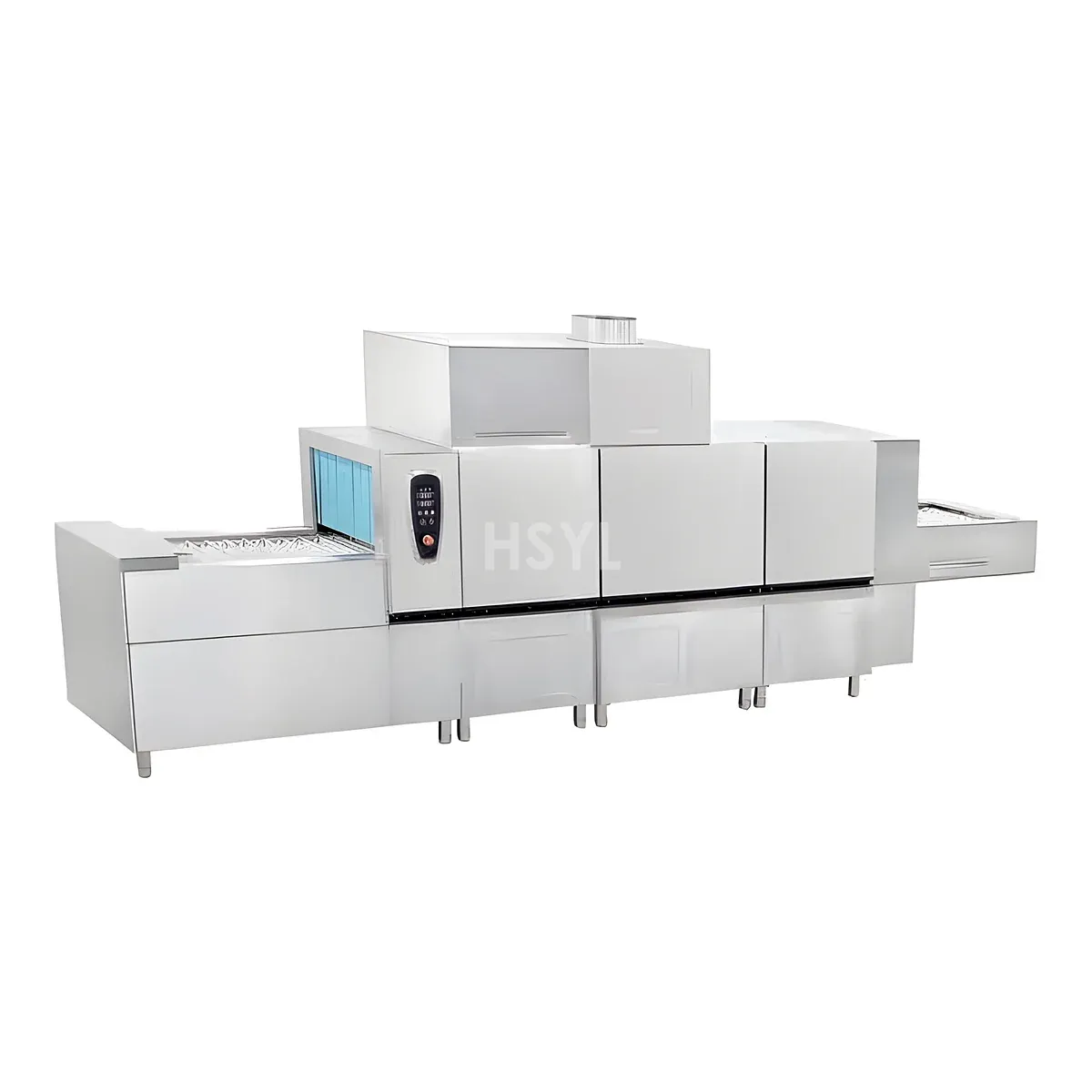
Direct Answer / Key Takeaway: Document when a plating conveyor drifts, what load is present and where rubbing appears. Give service technicians useful evidence without unsafe live adjustment.
A belt that moves toward one side is a symptom to document, not an invitation to turn a tensioning screw while the line runs. On a meal assembly conveyor, useful service evidence includes the load, the point in the cycle and the location of contact with a guide or frame. That record helps a technician distinguish a recurring pattern from an isolated tray-handling event.
Describe the observation precisely

Record which side the belt approaches, where along the line the movement is first visible, and whether it changes after a stop. Use fixed identifiers on the equipment drawing rather than descriptions such as the left side, which change with the observer's position. Identify any audible rubbing, visible contact marks or damage reported by operators.
Note the permitted operating conditions during the observation: selected speed, representative tray load, time since startup and any recent cleaning or service. Do not deliberately continue running a machine showing damage or another unsafe condition merely to complete a log. Follow the operating instructions and the site's reporting procedure.
Separate belt behaviour from a tray presentation problem
A tray catching at a transition can look like a tracking problem to the person waiting downstream. Record whether the belt itself changes position or whether only the tray turns, catches or presses against a guide. Photograph the tray type and the transition from a safe position if the site's procedure permits it.
Compare observations across the approved tray types. A new rim shape, a damaged tray or an accessory placed outside the agreed envelope may explain a specific handling problem. That does not justify removing guides or changing a protective arrangement. Keep the symptom distinct from a proposed modification.
Give service staff the recent history
List changes made shortly before the problem: relocation of the line, belt removal, cleaning-method changes, replacement components or work around an end station. Use the actual maintenance record; an approximate recollection can hide the connection between the symptom and the last intervention.
The equipment service handover should identify who is authorised to inspect and adjust the line. Operators should not reach into a moving mechanism, bypass a guard or apply an unapproved lubricant to test an idea. Belt tracking and tension adjustments require the correct model procedure and a suitably competent person.
Make the fault report useful on the first visit
- Provide equipment identification and the relevant installed drawing.
- Attach the dated symptom log and the load or tray details.
- Identify any visible contact location without opening a running drive or removing protection.
- Include recent service, cleaning and relocation records.
- State whether the line has been withdrawn from use and what fallback process is active.
Ask the service provider to record the cause found, the work performed and the checks required before returning the conveyor to use. Keep the correct model instructions and parts information with that service record. A changed screw position alone is not an adequate explanation of a recurring fault.
After authorised work, observe the agreed operating conditions again and note whether the original symptom has returned. Preserve the earlier log rather than replacing it with a clean entry. Repeated observations made in the same terms are what make a developing problem visible.