Direct Answer / Key Takeaway: Prepare a grease interceptor sizing brief with connected fixtures, discharge events and grease loading. Keep hydraulic capacity separate from storage and servicing.
Do not begin a kitchen grease-interceptor enquiry with an assumed flow rating. Begin with a drainage brief that the plumbing designer, equipment supplier and approving authority can review. The brief should describe what enters the system, when it enters and how the retained material will be removed.
First draw the connected fixtures
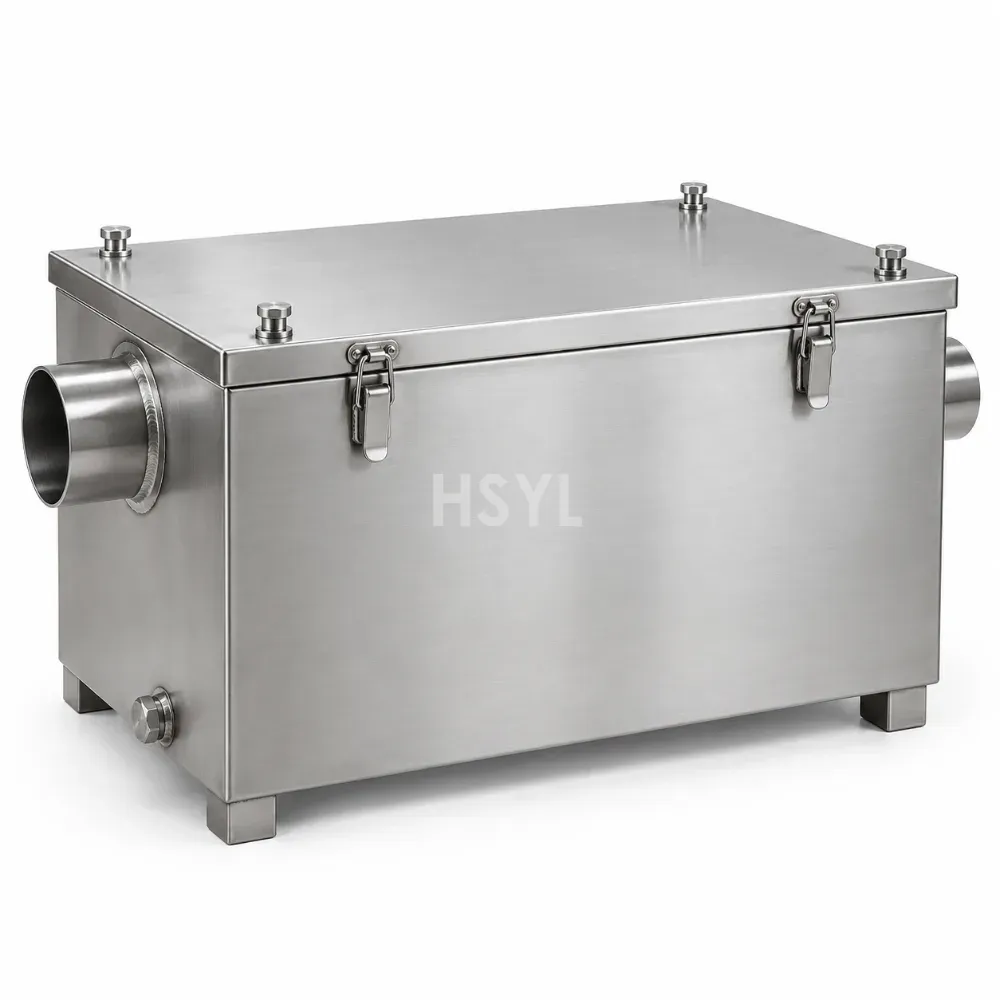
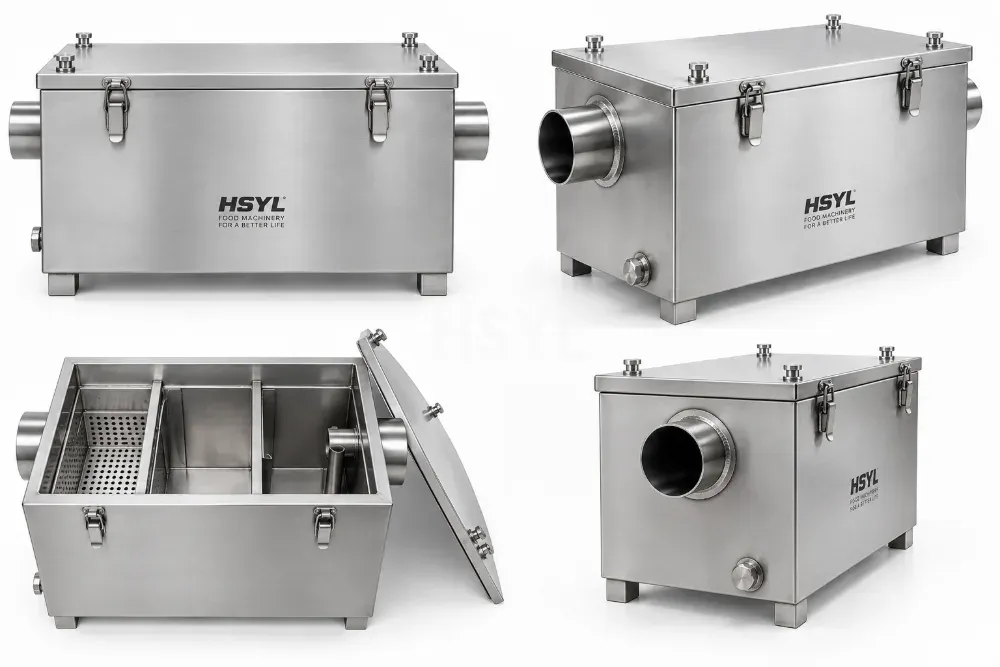
Make a fixture schedule with each kitchen sink or appliance identified on the drainage drawing. Include the relevant bowl or vessel dimensions, the way it discharges, manufacturer wastewater information where available, and the proposed connection. Ask the project designer to confirm which fixtures belong on the grease-waste system under the applicable requirements. Do not connect or omit a fixture solely because another kitchen did so.
The schedule should also expose operating events. A pot-wash sink emptied after a production run creates a different demand pattern from water entering steadily during washing. Record the plausible overlaps during the busiest cleanup period. Distinguish measured or manufacturer-stated information from estimates, and keep assumptions visible so the designer can select the correct sizing method.
Flow handling and retained grease answer different questions
A hydraulic rating describes the flow conditions a proposed interceptor is designed to handle. Storage and servicing considerations concern the material retained between removals. Manufacturer Schier's sizing guidance treats flow rate and grease production as separate inputs. That distinction is useful when preparing an enquiry, but it does not replace the sizing procedure required for the particular project.
Give the designer the menu, production pattern and waste-handling practices as well as the fixture list. Explain whether cooking fats are collected separately and how food solids are intercepted. A change from light preparation to frequent greasy pot washing can matter even when the room's pipework has not changed. Do not infer an appropriate service interval from the flow rating alone.
Check whether servicing can actually happen
Show the proposed location, access route and clearance needed to inspect and service the selected equipment. Ask who will open the unit, remove retained material and record the work. An automatic grease-recovery feature, if genuinely included in the quoted model, still needs the manufacturer's operating and maintenance provisions; the word 'automatic' is not evidence of maintenance-free operation.
Consider what happens when the kitchen is occupied. A service plan that requires dismantling a permanently installed workbench or crossing a busy clean-production route may not be practical. Resolve these conflicts in the servicing-access layout review before accepting a small unit simply because it fits a nominal under-sink footprint.
What to put in the selection record
Request a named model and configuration, the project-specific sizing basis, connection details, installation instructions and servicing requirements. Record the responsible designer's review and any required local acceptance. Keep supplier assumptions with the quotation rather than reducing the decision to a single gallons-per-minute value.
At a later menu or fixture change, revisit the same brief. Compare new discharge events and loading with the basis of the installed system before assuming spare capacity exists. This approach turns an interceptor enquiry into a traceable design decision without inventing a universal 25 GPM rating, a single drain-down time or an unverified grease-removal guarantee.