Direct Answer / Key Takeaway: List every intended tray format, included tool and changeover task before comparing sealing-machine prices. Check how future tray changes would affect the purchase.
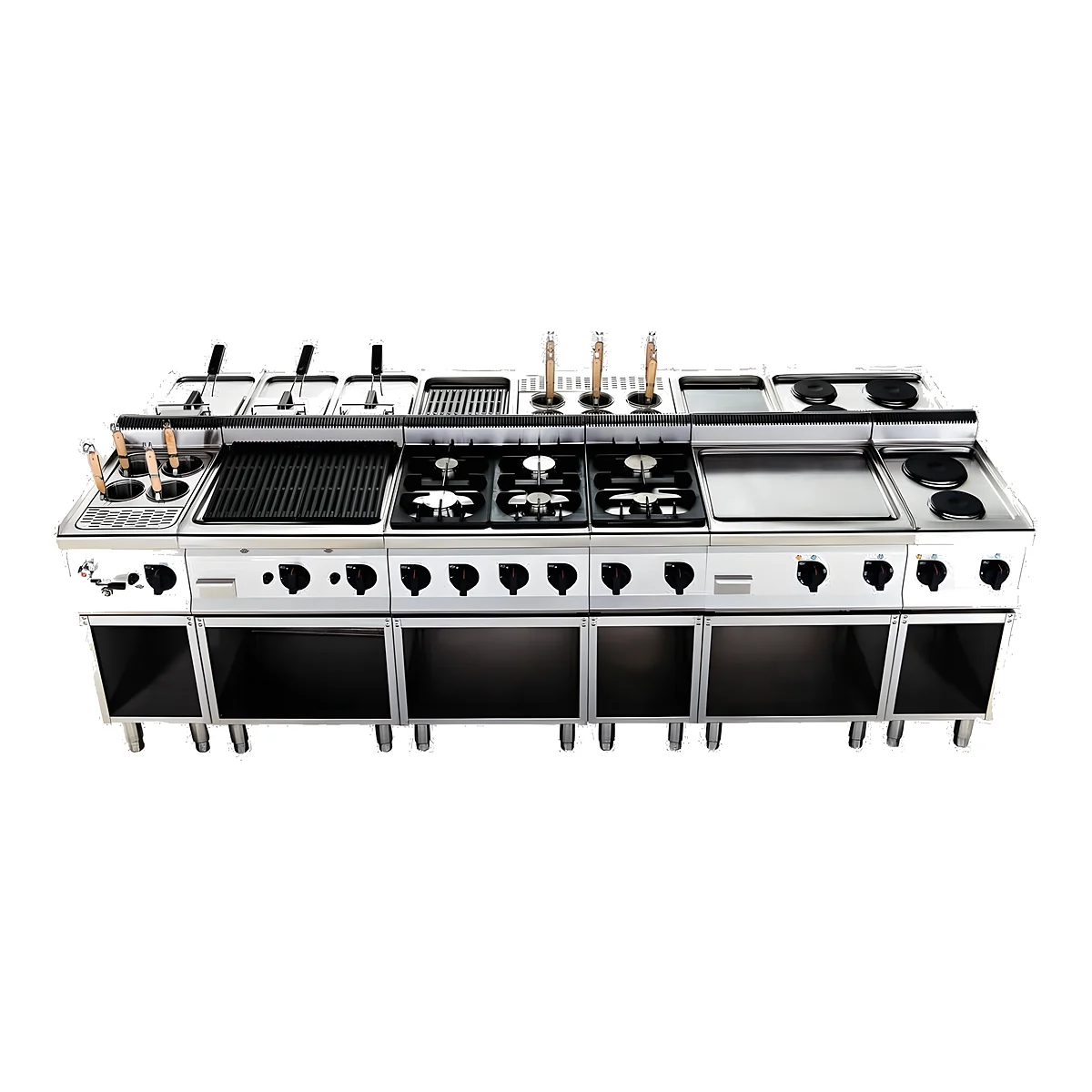
The cheapest tray sealer quotation can become the more expensive offer when only one of the required tray formats is included. Compare the packaging task and tooling scope before comparing the headline machine prices.
List formats by actual tray identity
Record the supplier and identifier of each proposed tray, its drawing or sample reference and the intended film. Keep trays that look similar separate until the machine supplier confirms compatibility. A shared nominal meal portion or outer length does not establish that the same tooling will support and seal both trays.
Distinguish formats required at launch from possible future additions. This avoids buying speculative tooling while still exposing the consequences of a planned menu or packaging change. Ask the tray supplier how substitutions will be identified so a later material or flange change does not enter production unnoticed.
Ask what each quoted format includes
Request an itemised description of the tooling and other parts needed for each format. Ask the supplier to explain whether a change involves only the tray support, other forming or cutting components, settings, film handling or additional accessories in that particular design. Do not assume the same scope across machines.
| Item | What to establish |
|---|---|
| Launch tray reference | The exact sample or drawing the supplier has assessed |
| Included tooling | All format-specific parts in the purchase price |
| Additional format | Quoted cost, supply lead time and machine compatibility |
| Changeover | Authorised work, handling, storage and release checks |
Watch a complete changeover
A demonstration should start with the first format operating and end when the next format has passed the agreed checks. Include the permitted shutdown, component handling, film change if required, authorised settings and first-pack review. Count all people involved.
A supplier may describe a tool change as toolless. Ask precisely which work that description covers. It does not by itself establish that a cold spare tool, lifting arrangement, storage place or subsequent pack check is unnecessary. Attach the observed procedure to the buyer's format comparison so the claimed convenience can be checked against the complete task.
Put format changes into the service schedule
Estimate how often the kitchen expects to change trays during a normal service. A rarely used additional format has a different operating consequence from several changes before each dispatch. Use the observed work to assess that schedule rather than assigning a universal changeover allowance.
Agree how format parts will be identified and protected in storage. Missing or mixed components can make a nominally quick change impossible. The applicable tooling and operating instructions should identify the parts and the people permitted to change them.
With these details visible, the buyer can compare a complete launch package and the actual cost of flexibility. Future tray changes remain a supplier assessment task, rather than an assumed capability hidden in a broad claim of universal tray compatibility.