Direct Answer / Key Takeaway: Test a tray sealer with the intended trays, film, loading work and pack checks. Convert cycle observations into accepted meal packs within the real dispatch window.
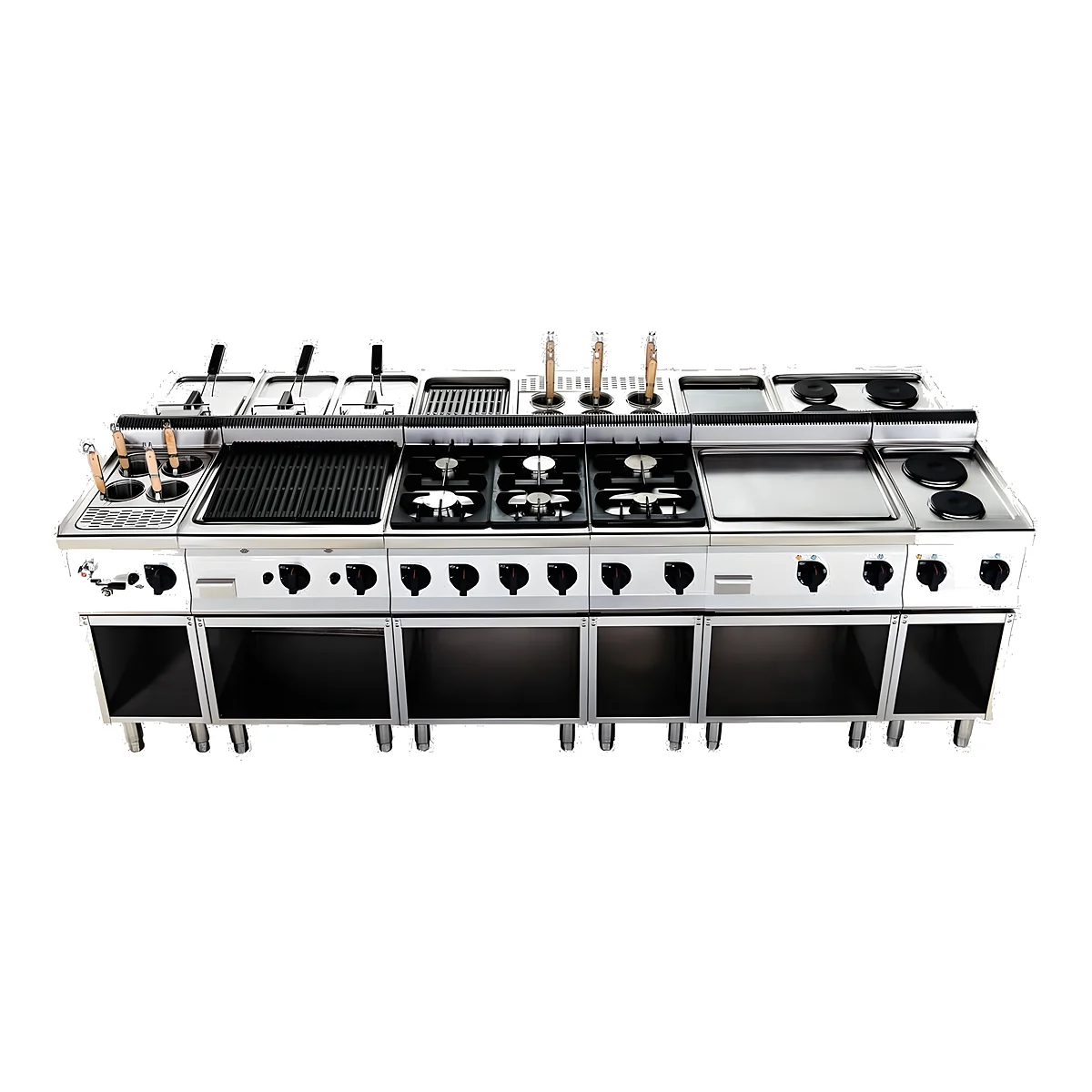
A dispatch deadline requires finished, accepted meal packs, not a certain number of empty machine cycles. Size a tray-sealing operation from the available packaging window and then test whether loading, sealing, checking and removal can complete the work inside it.
Work backwards from the vehicle handover
Identify when the last accepted pack must leave the sealing position. Reserve the time needed for the kitchen's labelling, route sorting and dispatch checks. At the other end, identify when filled trays are actually available; the sealer cannot use time occupied by unfinished cooking or portioning.
For an illustrative service, 600 packs required during a 40-minute packaging window imply 15 accepted packs per minute. This is a planning example, not a machine rating. If the available window changes, recalculate the requirement before comparing equipment.
Connect the calculation to the meal-route dispatch staging. Finishing all packs beside the machine is insufficient if the dispatch team still needs an unplanned period to identify and load them.
Convert cycles into a complete working trial
Ask the supplier to demonstrate the proposed tray format, film and actual sealing mode. Identify how many trays are processed in each cycle. Include the work that returns the machine to a ready state: removing packs, positioning new trays and handling film as required by the supplied design.
Observe normal operators using the planned working arrangement. If a supplier's assistant performs replenishment during the demonstration, include that role in the staffing record. Keep the package checks and reject handling that will be required during real production.
Keep four counts separate
- Machine cycles completed.
- Packs leaving the machine.
- Packs accepted under the agreed checks.
- Packs ready for the next dispatch task.
The differences reveal lost output. A pack that needs rework uses time even when the cycle counter increases. A rejected pack should not disappear from the trial report merely because it is placed on a separate table.
Include the interruption that matters
If the proposed service normally needs a film change or tray-format change, observe it within a representative run. If it does not occur in a short demonstration, identify the omitted work and assess it separately. Do not describe a short uninterrupted run as sustained service capacity.
Keep the trial sheet with the tray format, sealing mode, staffing, accepted count and elapsed time. A result for one configuration does not automatically apply to another cavity layout or packaging process.
The final choice should meet the dispatch requirement with the observed checks and handling work included. Where evidence is incomplete, state what still needs demonstration rather than turning a nominal cycle figure into a guaranteed meals-per-hour claim.