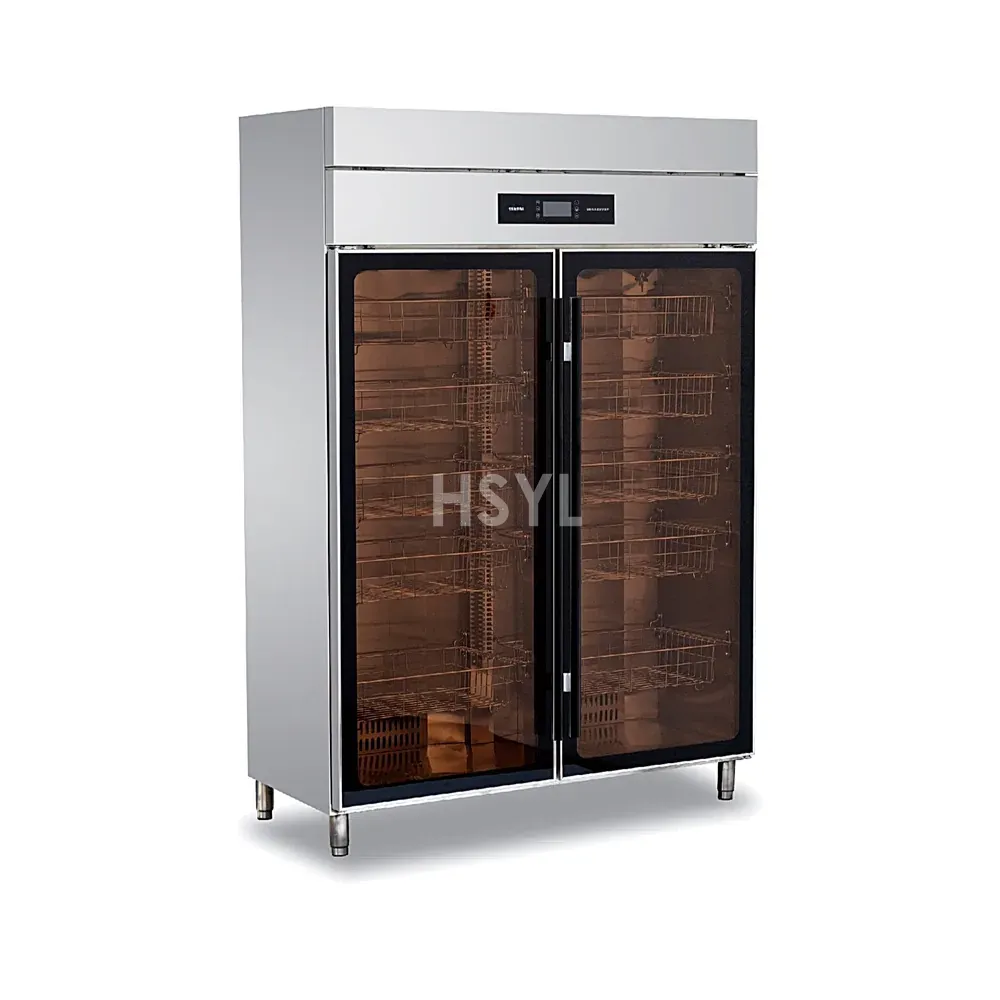
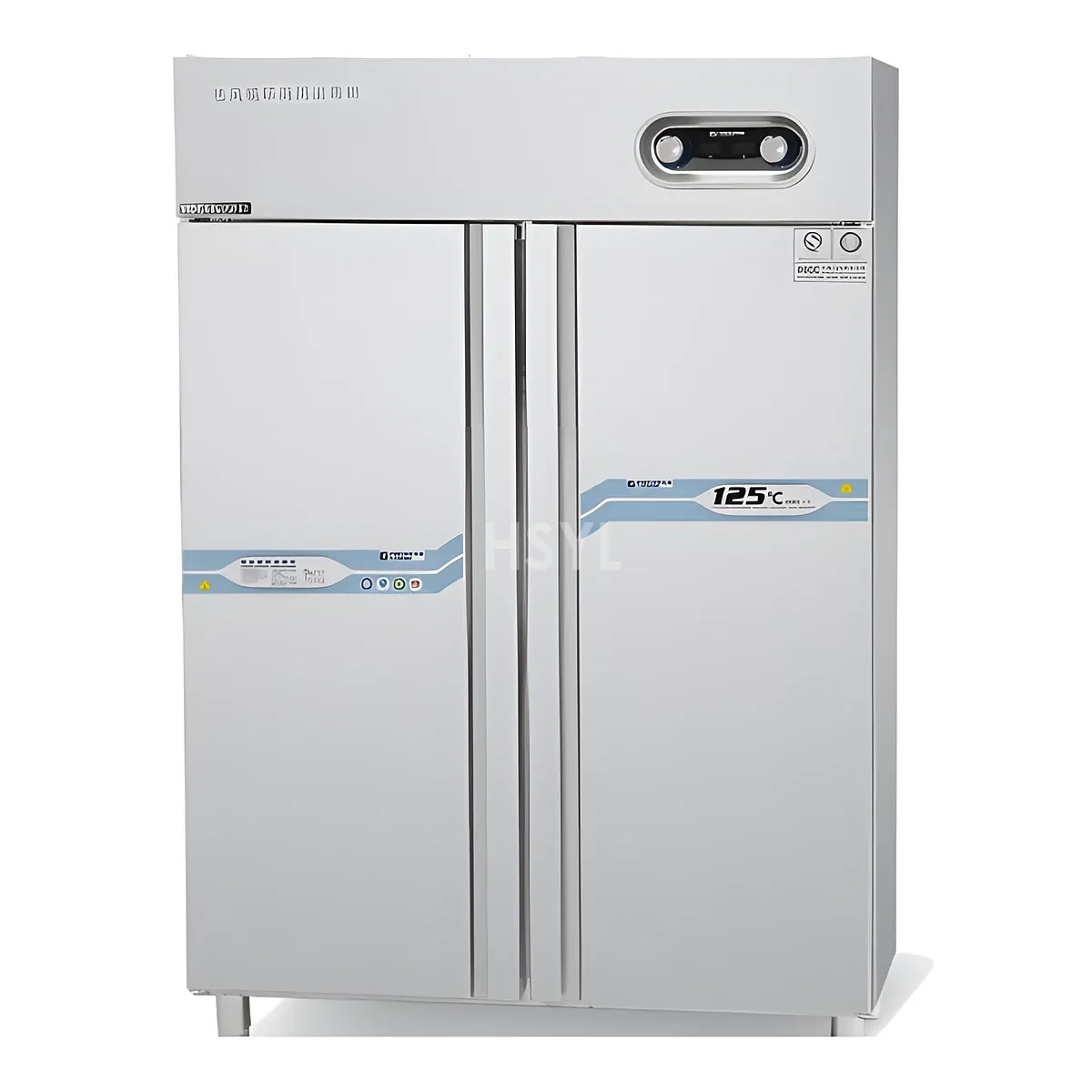
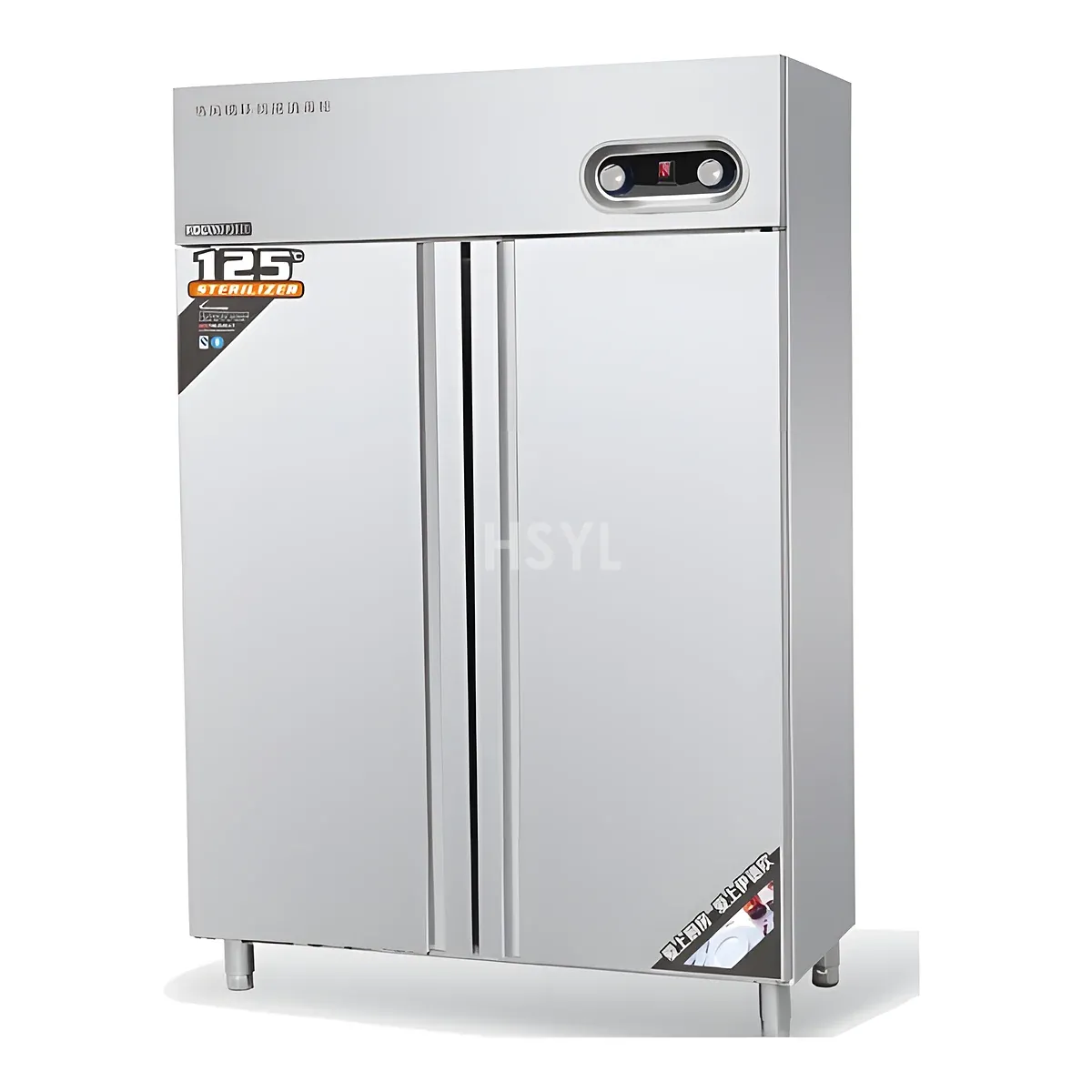
Direct Answer / Key Takeaway: Separate cleaning, drying, garment treatment, stock replacement and delivery when comparing an in-house workwear proposal with a laundry rental contract.
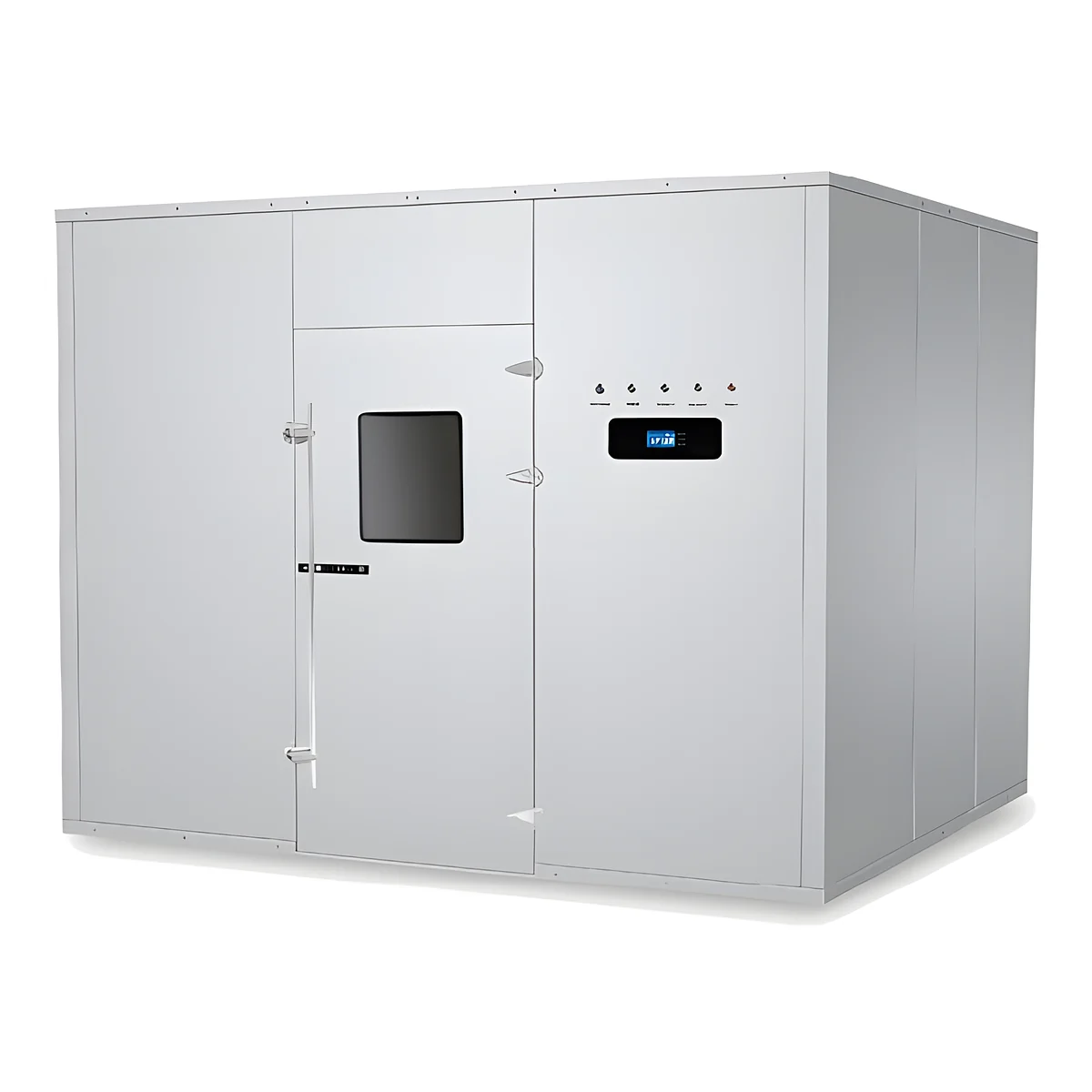
A laundry rental invoice may include garments, collection, cleaning, repairs and clean delivery. A cabinet quotation may include only one treatment stage. Comparing the two prices as interchangeable services can leave the kitchen without a defined way to remove soil or supply replacement uniforms.
Follow one used uniform from collection to its next authorized issue. Identify sorting, cleaning, drying, any required treatment, inspection, repair, packing/storage and delivery. State the hygiene outcome and garment-care requirements that apply to each stage, with the responsible provider.
Do not assume UV, ozone or a drying function removes visible soil or fulfills the laundry process. The proposed cabinet needs evidence for its particular role and incoming garment condition. The workwear cabinet product entry identifies an equipment category; it does not establish equivalence with a complete laundry service.
Unpack the existing service contract
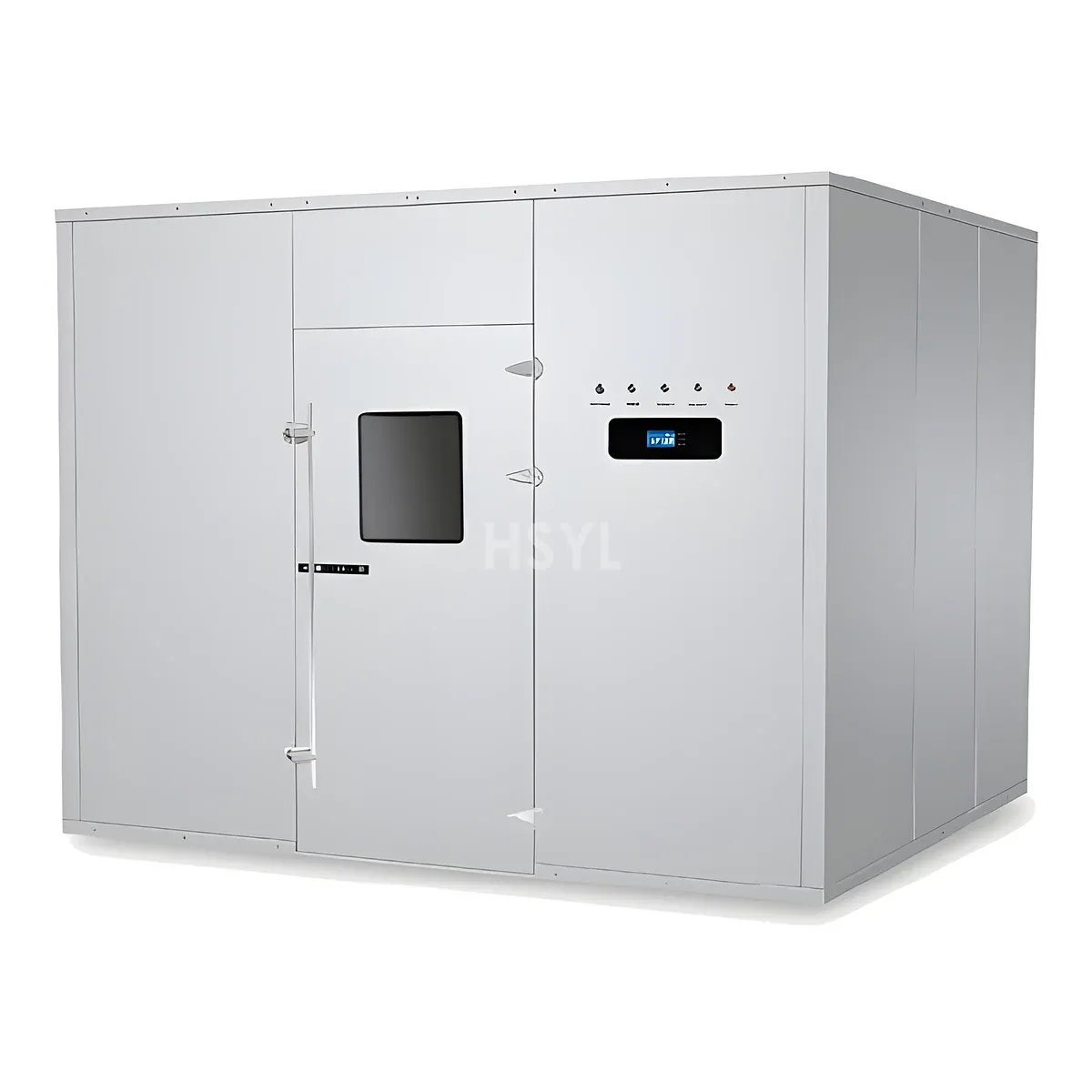
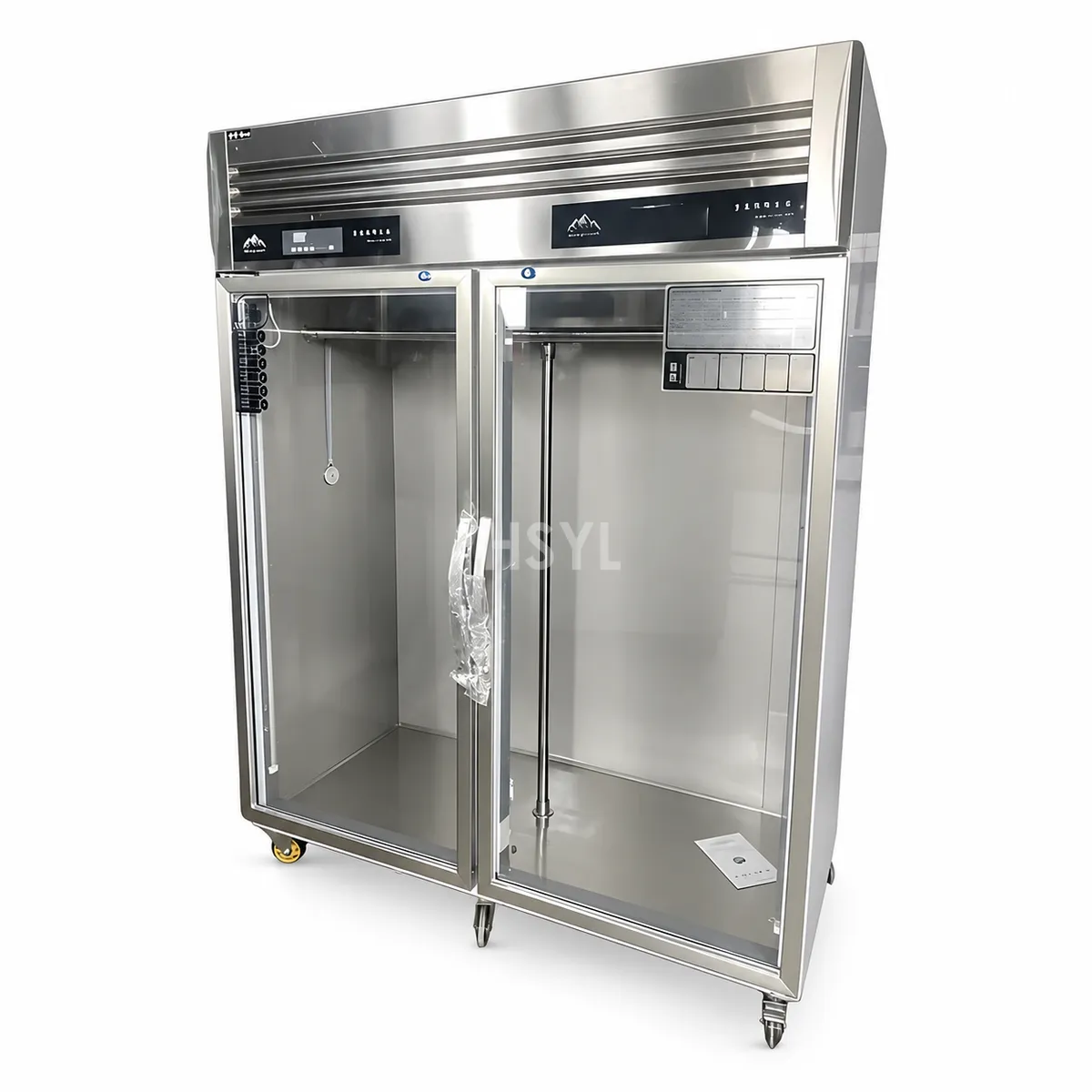
Check who owns the garments, the number and sizes in circulation, collection/delivery frequency and the treatment of rejected or missing items. Identify repair, replacement, emergency supply and seasonal workforce provisions. Obtain the actual charges and exclusions instead of assuming that every per-piece fee covers the same service.
Ask how prepared garments are protected during transport and how the site accepts a returned delivery. A low cleaning price that requires the kitchen to supply additional garments and arrange collection belongs on a different cost line from a rental offer that includes them.
Complete the in-house proposal
| Required stage | What the proposal must identify |
|---|---|
| Garment provision | Ownership, initial sets, sizes, replacement and repair responsibility. |
| Preparation | The actual cleaning/drying route and compatible garment-care process. |
| Cabinet role | Supported incoming state, intended outcome, approved load and complete availability time. |
| Issue | Protected handling/storage, stock control and who authorizes release. |
Add the real labor, floor space, installation, consumables, maintenance and remaining outsourced work. Include arrangements for an unavailable machine and a missed clean-garment return. Do not credit the cabinet with eliminating a cost attached to a stage it does not perform.
Compare the same service volume and outcome
Choose an agreed period and demand basis: issued uniform sets, workforce pattern and required service coverage. Keep the method consistent when calculating cost per issued set. Include rejected items and replacement work in the relevant scope without counting the same expense twice.
If the new process's outcome or workload is not yet supported, leave those inputs open and obtain the missing evidence before calculating payback. The decision may be to retain laundry and add a separately justified cabinet stage, or to change the complete service arrangement. It should not arise from treating a cabinet purchase price as the annual cost of managing all workwear.