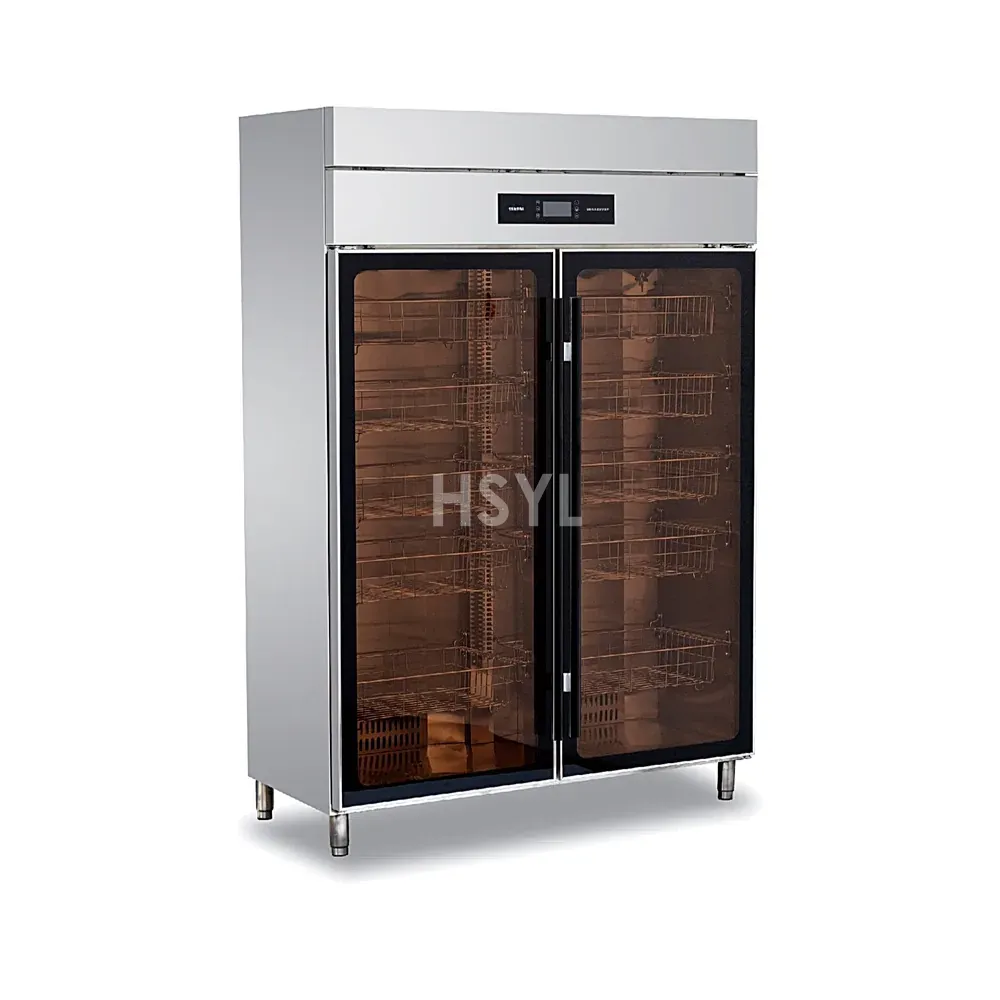
Direct Answer / Key Takeaway: Separate accessible garment-contact surfaces from protected lamps, sensors and air systems when assigning cleaning work for a workwear treatment cabinet.
'Dust the UV tube weekly' is not a safe cleaning instruction for an unidentified garment cabinet. Access, isolation and the permitted method depend on the actual machine. Assign the owner-cleaning job from its instructions, and keep protected treatment components with the designated service party.
Identify the surfaces that need routine care
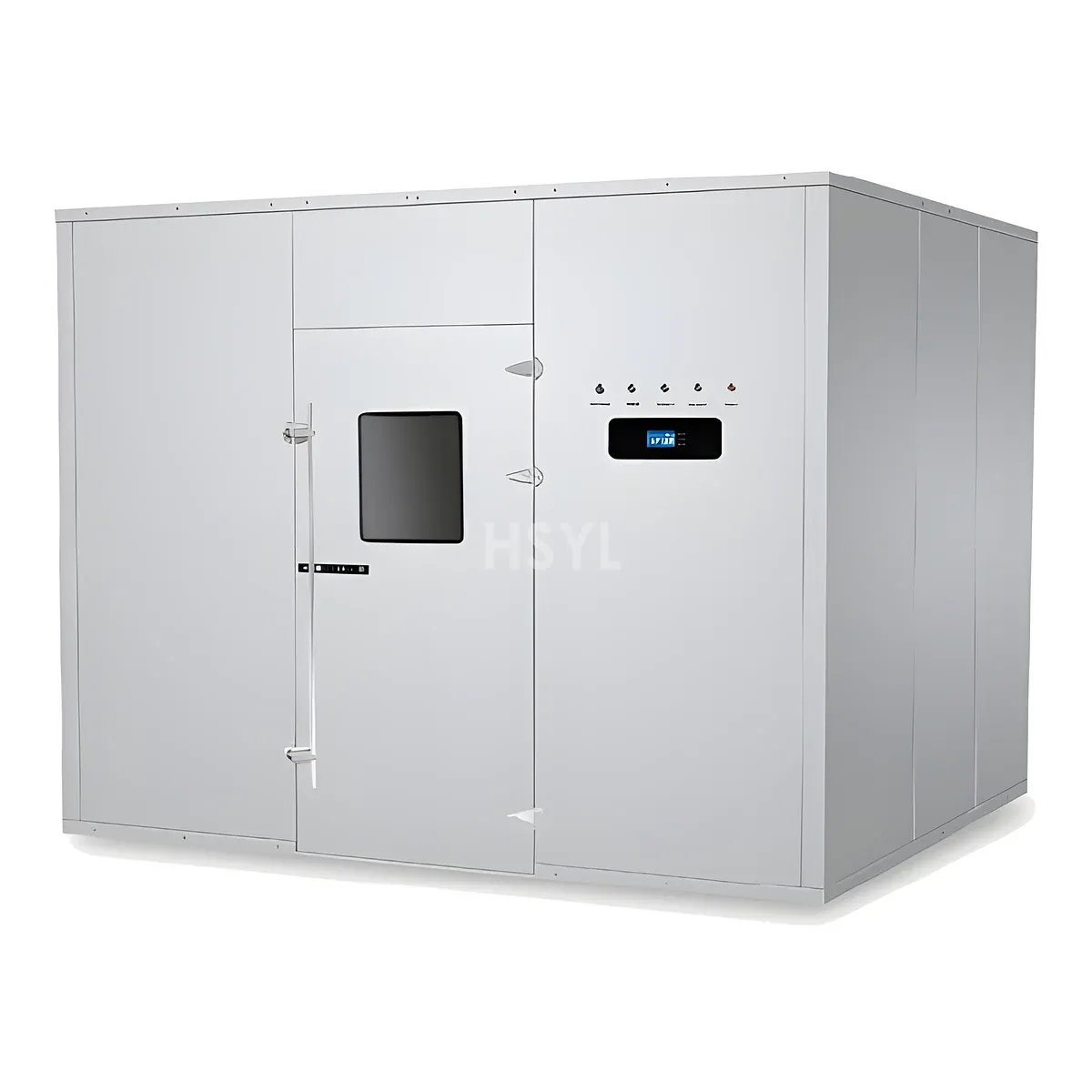
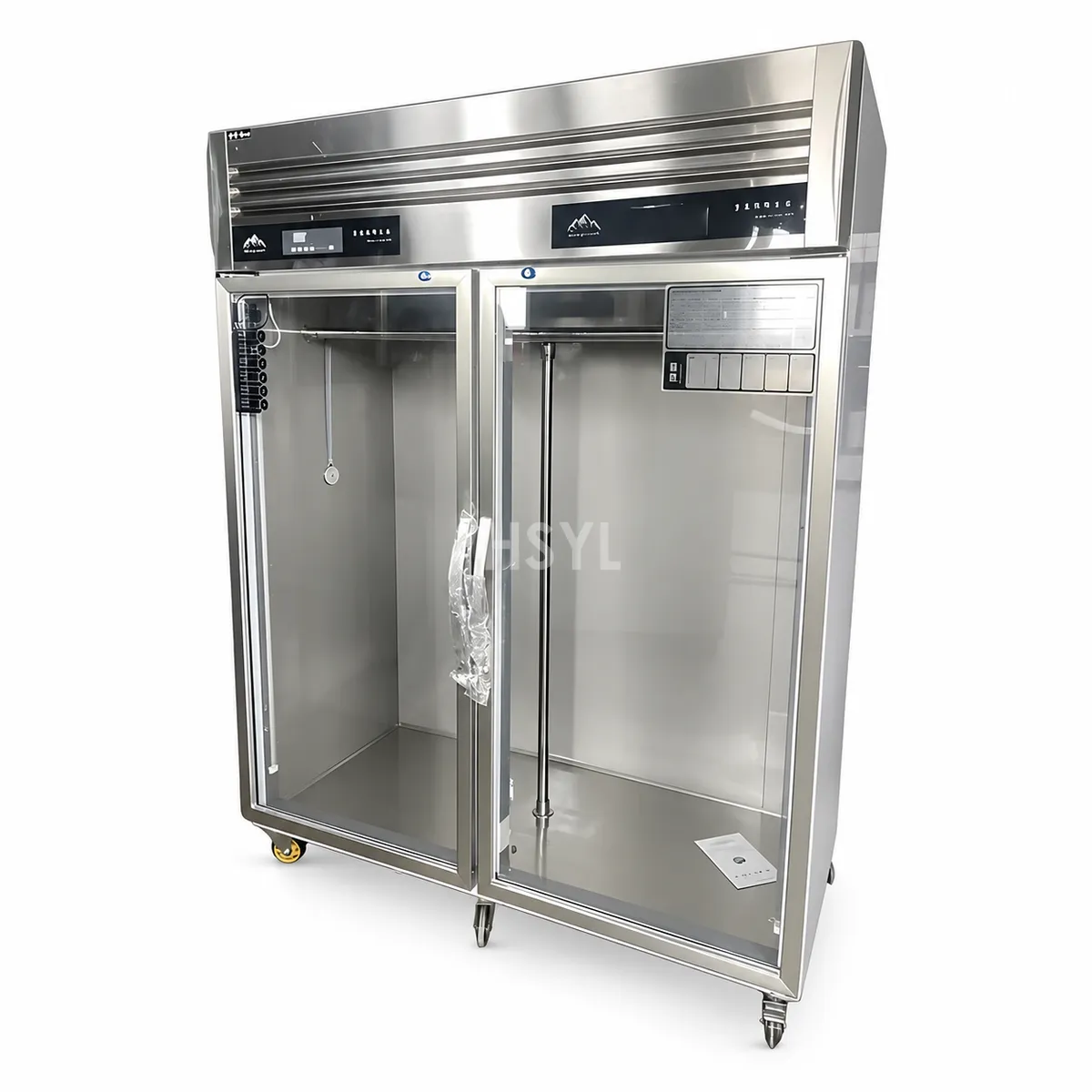
With the machine in the documented safe condition, identify garment-contact rails, owner-removable hangers/carriers, accessible interior surfaces, door contact areas and the external controls. Note where lint or residue accumulates during normal handling. Photograph the accessible arrangement so a later shift can identify the same parts.
Separate those surfaces from lamps, sensors, reflectors, fans, filters and any ozone system. Some components may have owner-care instructions, while others require service access. A visible part is not automatically a part staff may remove or wipe.
Make the preparation and supplies specific
Remove and protect garments according to the site's state and handling procedure. Use the exact model's shutdown, isolation and any clearance/cooling instructions before the assigned cleaning work. A stopped timer does not establish that every treatment component is safe to approach.
Identify the approved cleaning product, dilution where applicable, tools and drying steps for each permitted surface. Check compatibility with plastics, coatings, seals and any removable fittings. Do not copy an alcohol-wiping or compressed-air instruction from a different brand's lamp assembly.
If those instructions are missing, obtain them through the equipment manuals and care documentation before assigning the task. Direct UV exposure can injure eyes and skin, and ozone-related equipment needs its documented safe-access arrangement; neither risk should be tested by looking into a running chamber or smelling its air.
Specify the permitted destination for items removed before cleaning and who decides whether they can return or require reprocessing. Avoid placing prepared garments on a used-return surface while the cabinet is unavailable.
If an unsuitable or visibly soiled item entered the chamber, record the event and let the hygiene lead determine the necessary response. Routine wiping does not automatically validate continued treatment or release every item that shared the load.
Return the cabinet as an assembled, identified system
Refit only the owner-removable parts using the instructions. Check that the prescribed loading arrangement and door movement are restored and that no cleaning material or tool remains inside. Escalate damaged fittings, unreadable labels or a displaced protected component before further treatment.
Use the specified return-to-operation checks and note what was cleaned, what remained outside the owner's scope and who owns the follow-up. Visual cleanliness is useful for the cleaning job; it is not proof of microbiological performance or permission to reset a lamp-life or efficacy alarm.