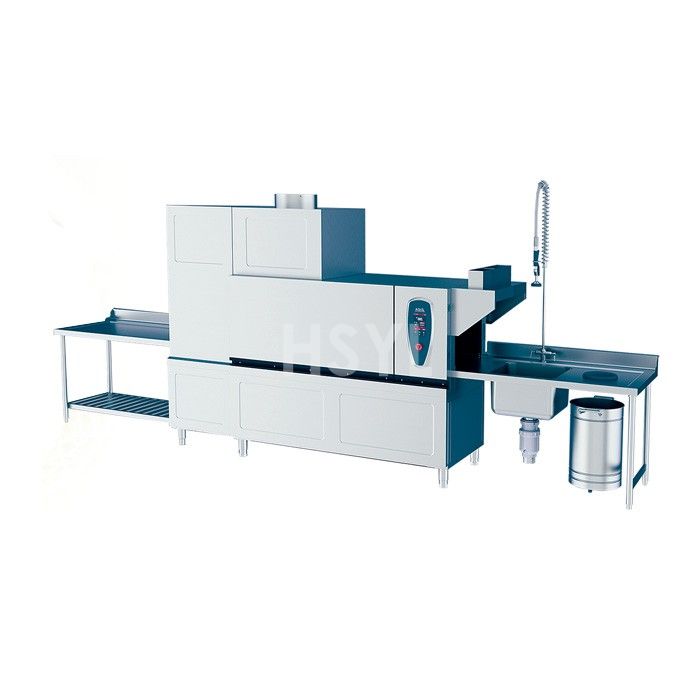
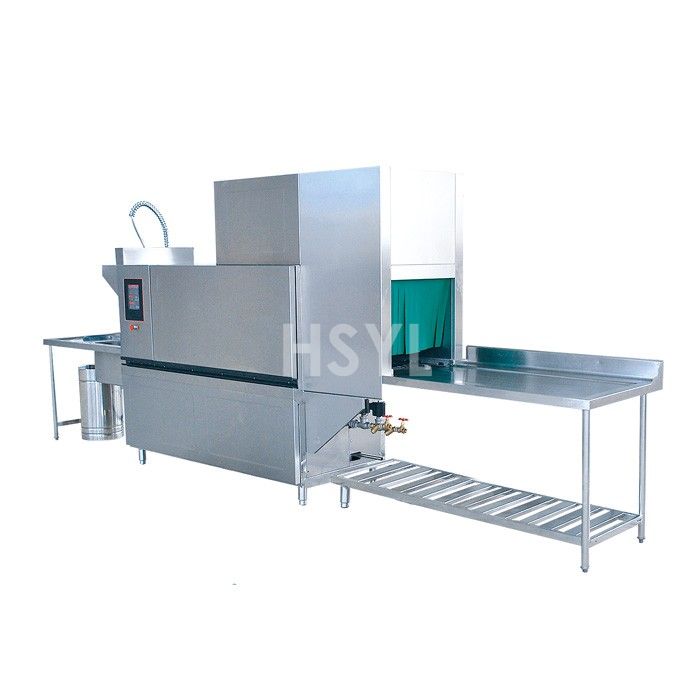
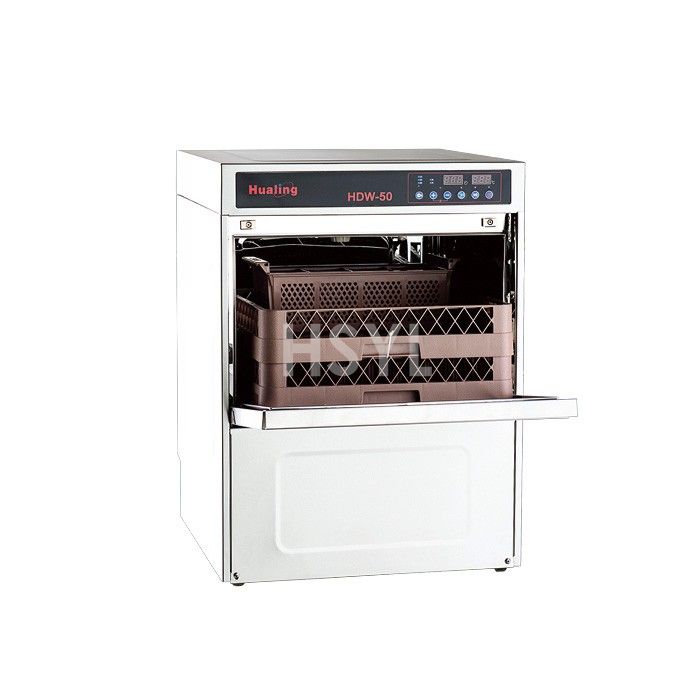
Direct Answer / Key Takeaway: Separate scale-related service work from unrelated dishwasher failures, then compare treatment costs without inventing heater-life or energy-saving guarantees.
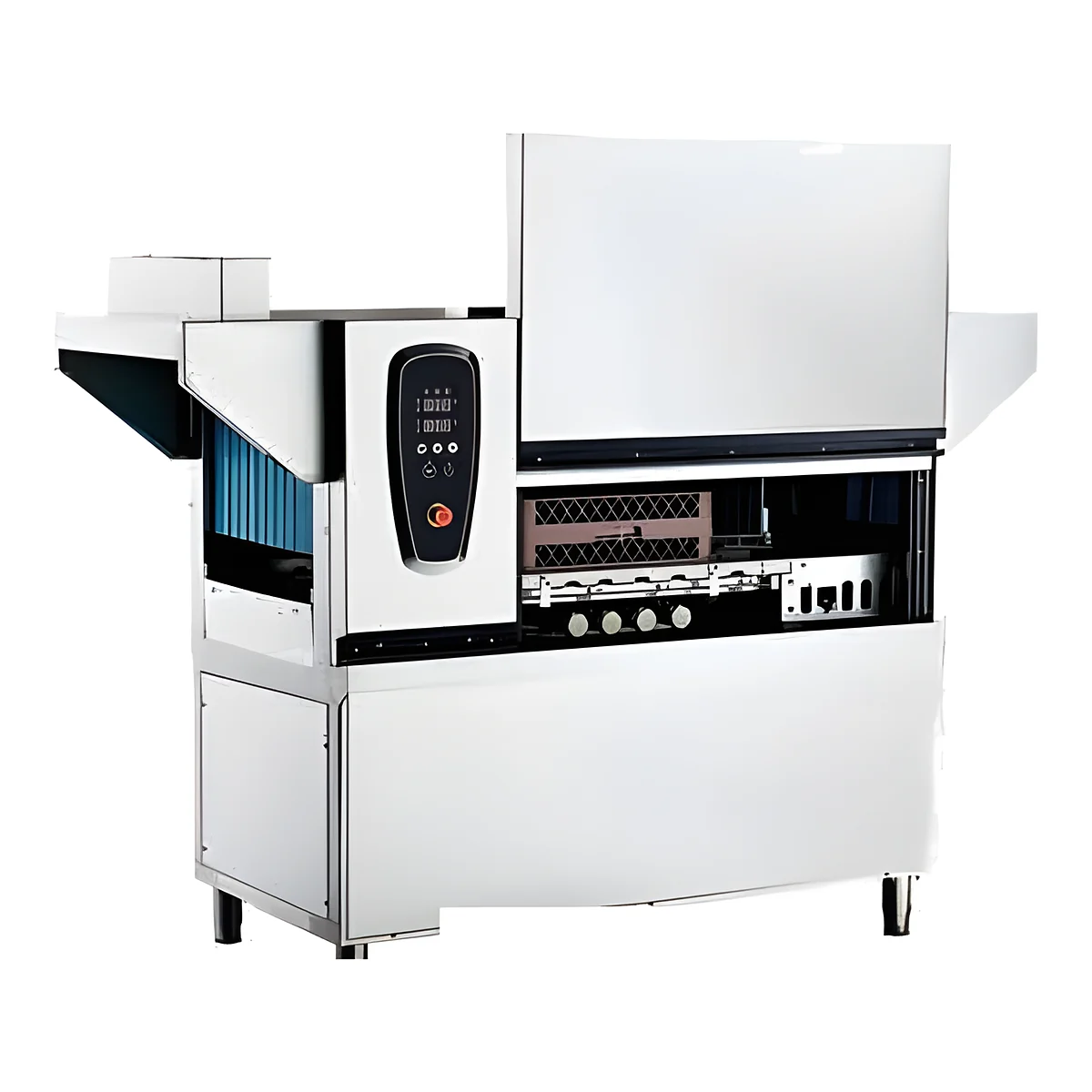
A failed dishwasher heater is an invoice, not yet evidence of what a softener would have prevented. Start an investment review by identifying the documented problem and its cause. Treatment should address an established water requirement or recurring condition; it cannot credibly be valued against every breakdown in the dishroom.
Sort the maintenance history by what was found
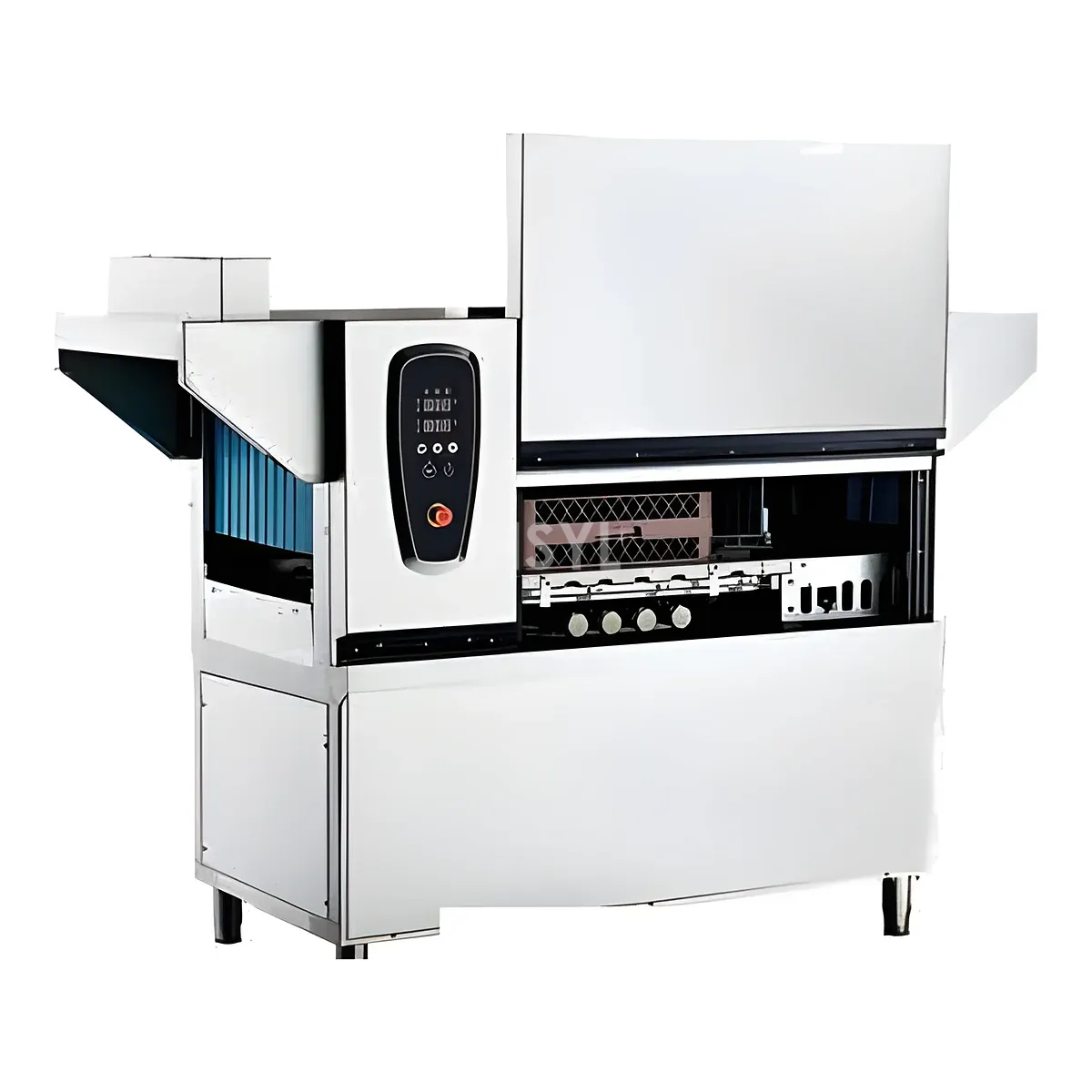

Read the service findings behind each proposed avoided cost. Separate identified mineral deposits and the work associated with them from electrical faults, leakage, damaged controls, poor rack loading or unrelated stoppages. Where the diagnosis is uncertain, leave the amount outside the confirmed scale-related subtotal or show it separately as unresolved.
For an event involving deposits, identify what was cleaned or replaced, the water supplied at the time and any operational consequence actually recorded. A heater replacement and the descaling work on the same visit must not be counted twice as two complete avoidable failures. Check whether the invoice includes unrelated work or a general service charge.
Existing deposits also need their own response. Installing a softener is not the same operation as removing scale already inside the machine. Obtain the dishwasher manufacturer's permitted service process and clarify whether remedial work is included in the proposal. Do not promise that new treatment restores a damaged component.
Put the treatment costs beside that evidence
| Cost group | Comparison boundary |
|---|---|
| Initial work | Equipment, plumbing, access, commissioning and any separately needed remedial service |
| Recurring operation | Actual salt, regeneration water/waste charges, relevant power and routine checks |
| Maintenance | Supported service scope and parts for the offered assembly |
| Disruption | Documented kitchen impact, without treating the entire service day as lost unless it was |
Use the same operating period and water duty for both alternatives. Label projected costs as assumptions; keep actual invoice amounts distinct. If the site has no measured energy or detergent comparison, omit those savings from the confirmed case. Changing water quality may require chemical settings to be reviewed by the responsible supplier, rather than assuming a fixed reduction.
The equipment budget comparison should show what changes when the uncertain repair amount or actual regeneration frequency changes. A modest, supported case is more useful than a precise payback number built from unverified failure prevention.
Where water quality is outside the machine's requirements, correcting that condition has an operational purpose even before a savings calculation is available. State the decision plainly: the requirement being met, the costs supported by evidence and the benefits still to be demonstrated. The purchase should not depend on a guaranteed heater lifespan that neither the water report nor the service history establishes.