Direct Answer / Key Takeaway: Compare dough mixer controls using the same recipe and batch. Separate catalogue speed options from dough results, operator workload and service requirements.
Speed control is a way to manage the mixing process, not proof that one mixer will produce better dough. When comparing two-speed and variable-speed spiral mixers, start with the recipes that justify the choice. A feature is useful only if the bakery can turn it into a repeatable operating method.
Compare like-sized, identified machines
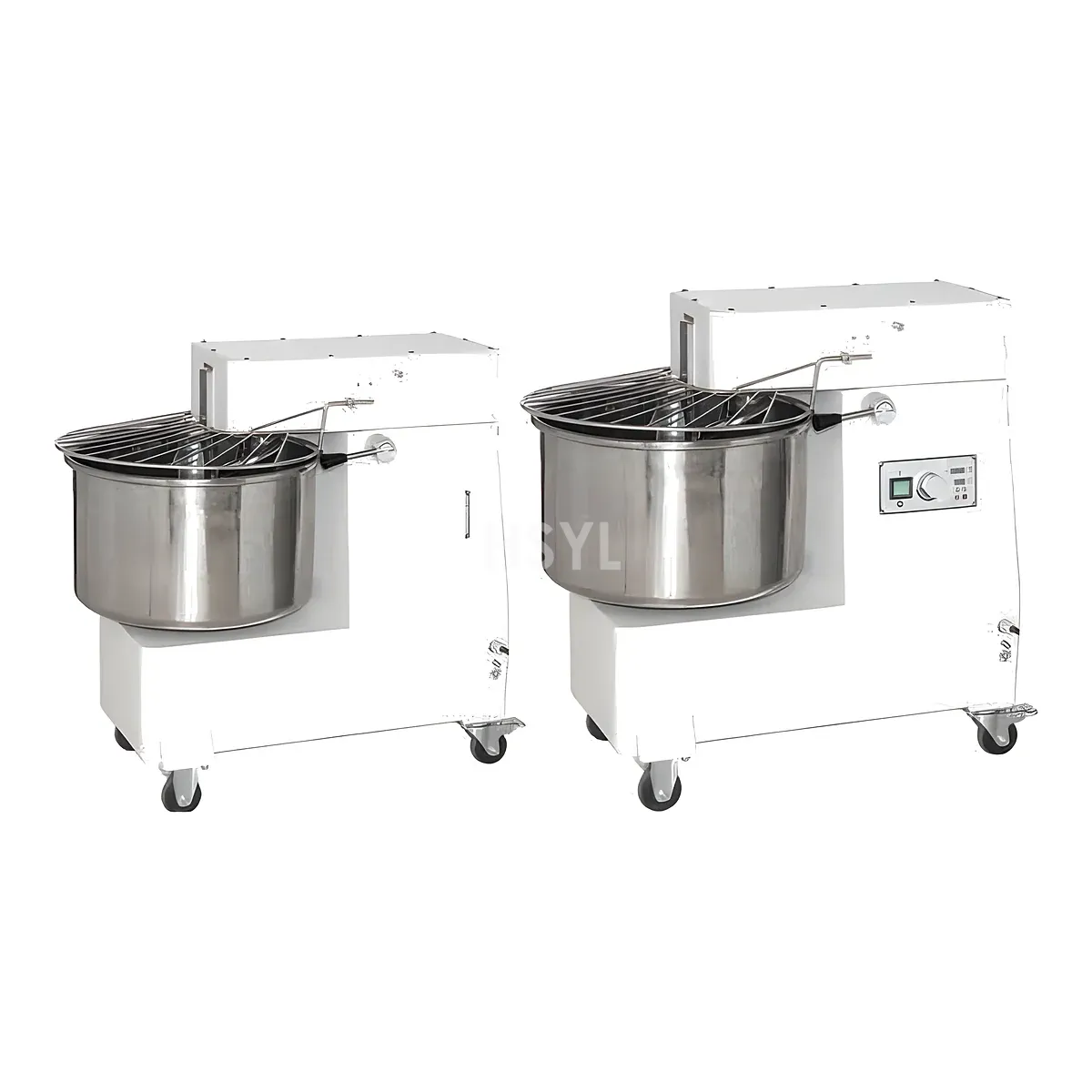
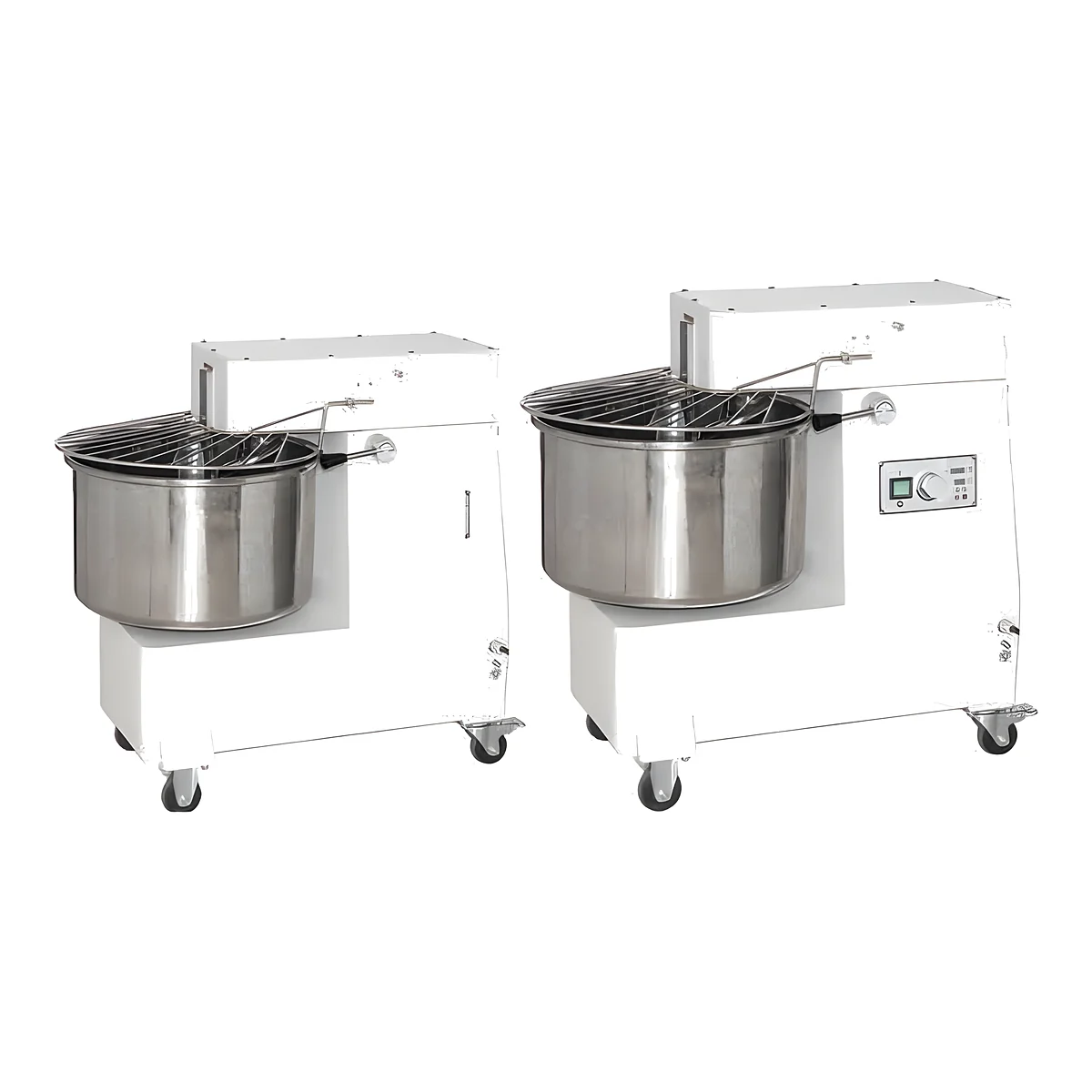
The HSYL 261008 catalogue lists both HDM-20N and HDM-20D with a 20 L bowl and an 8 kg maximum dough batch. The N entry is identified as variable-speed and the D entry as two-speed. This makes them a useful starting example for discussing controls, but their equal published maximum does not establish equal results for every recipe.
Keep the exact model and current offered configuration with each quotation. Record the available controls, the instructions governing speed changes and any recipe restrictions. Do not transfer a function from a photograph of another machine. Compare the documented spiral-mixer configurations before pricing optional features.
Ask what the operator needs to control
For each recipe, write down the mixing stages actually used, the endpoint the baker checks and the variability seen between batches. Decide whether two defined stages are sufficient or whether a wider adjustment range addresses a specific production problem. Include the staff's ability to recognize and reproduce the required result.
A wider range can also create more settings to record and more opportunities for inconsistent practice. During a trial, document the selected settings and the point at which they change. Avoid choosing a control solely because its display looks more sophisticated.
Run the same recipe through the comparison
Use the same ingredients, batch mass and agreed starting conditions for the relevant trial. Observe the dough endpoint, measured temperature where part of the recipe process, unloading effort and complete elapsed working time. Keep failed or unsatisfactory results in the trial record rather than reporting only the best batch.
Ask the supplier to explain any adjustment needed for the recipe. If the settings cannot be translated into clear operator instructions, the apparent control advantage may not be repeatable after handover. Assess the downstream dividing and forming process too: the preferred result must work beyond the mixer bowl.
Evaluate ownership after the trial
Price training, available service support and identified replacement parts alongside the machine. Obtain details for the actual control and drive arrangement, including how the supplier diagnoses a control fault. A motor rating is not measured electricity use, and the presence of an inverter does not establish a particular saving on the bakery's schedule.
Use the batch-capacity plan to check that the selected controls support the required sequence of production runs. Choose the configuration that demonstrates a usable recipe result and a maintainable operating method, rather than adding features without an identified task.