Direct Answer / Key Takeaway: Select a dough mixer using finished dough weight, recipe limits and the mixing window. Compare bowl litres with rated batch loads before ordering.
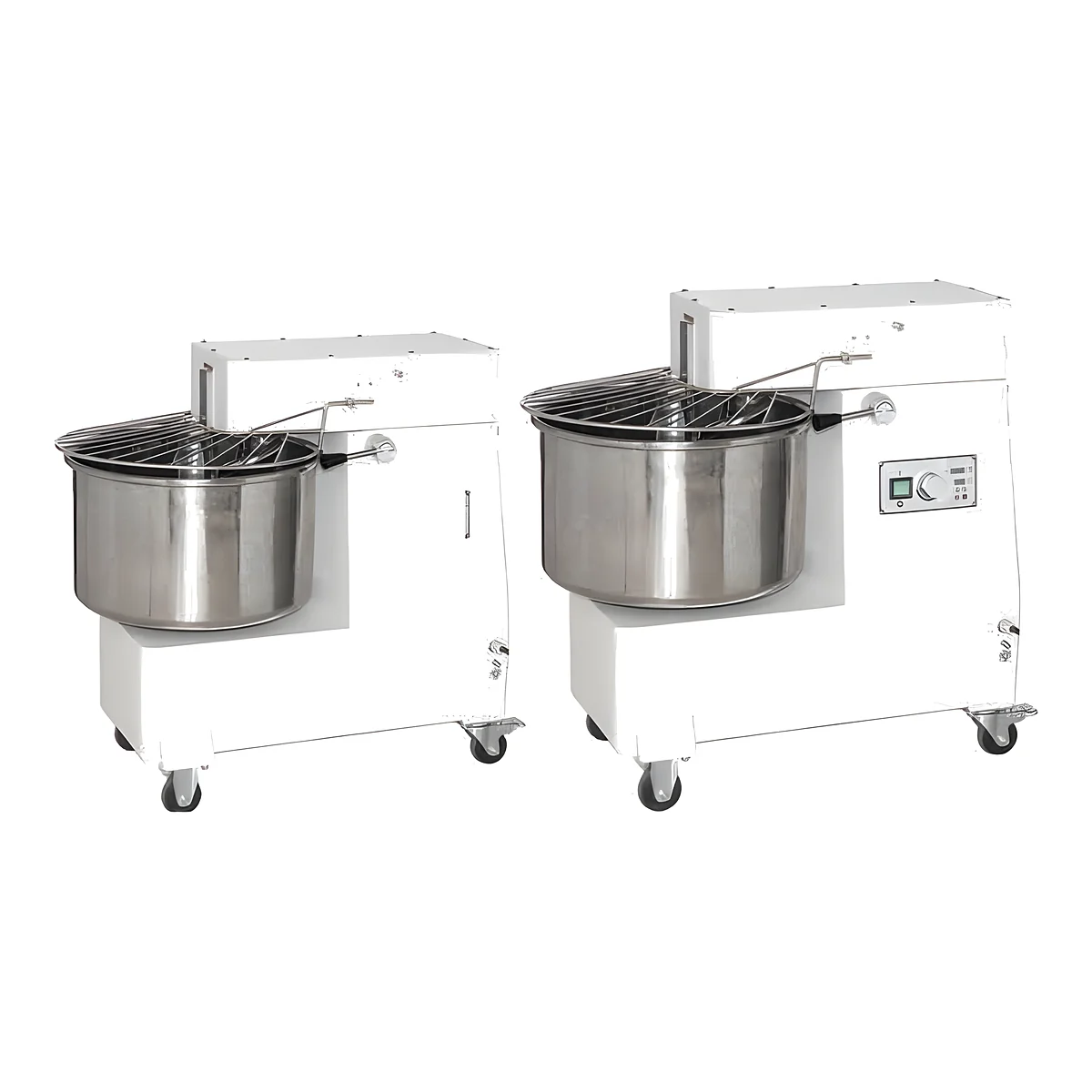
A mixer can hold a bowlful of ingredients and still be the wrong machine for the bakery's first production run. The useful starting point is the weight and recipe of the dough that must be ready at a particular time. Bowl volume is a separate specification, not a substitute for a permitted dough load.
Write the batch sheet before choosing the bowl
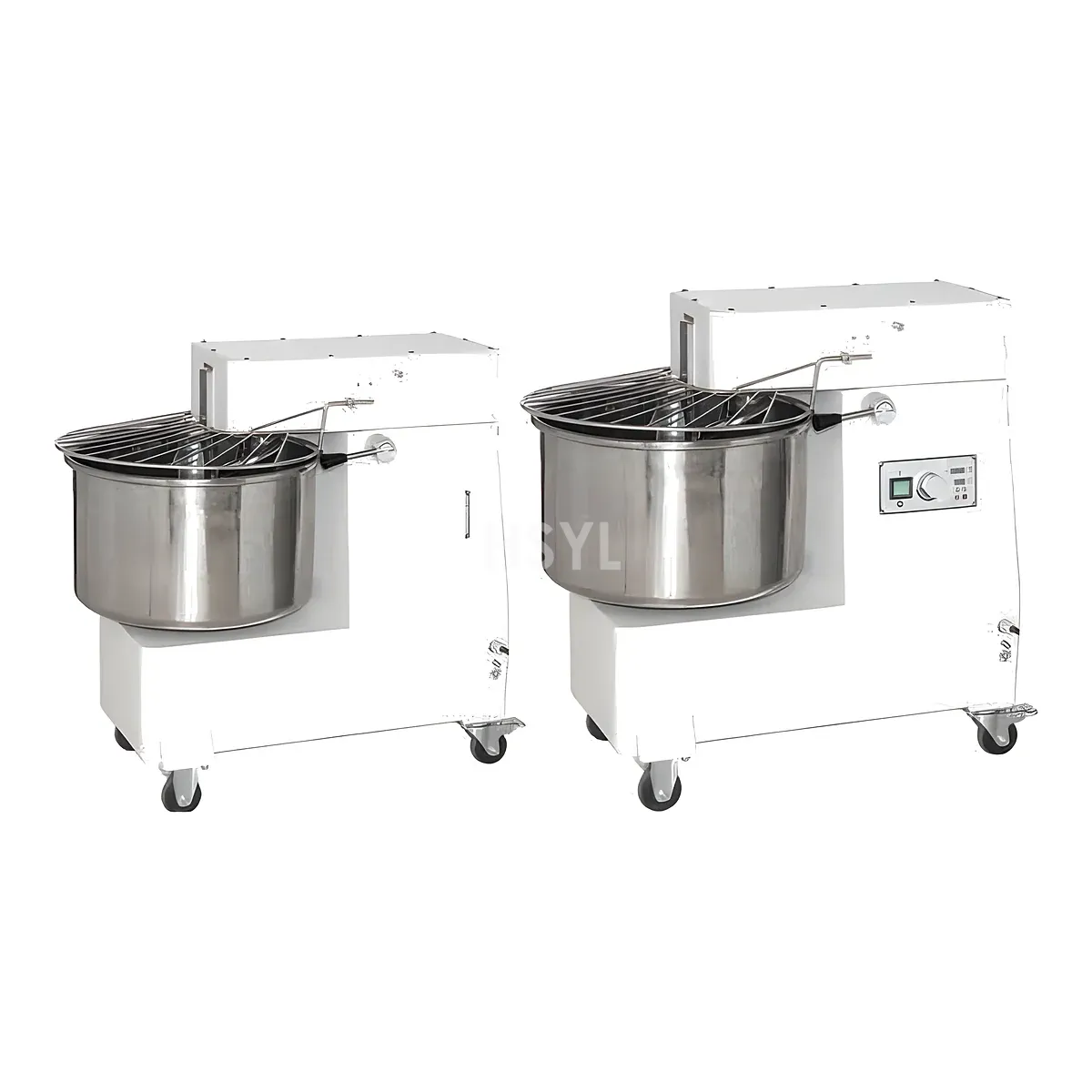
List each dough separately: its finished batch weight, flour weight, water addition, other ingredients, required readiness time and mixing method. State whether two products can share one production run. A daily total hides the problem when pizza dough and an enriched bread dough are needed simultaneously.
Use finished dough mass consistently. A supplier's flour limit and a finished-dough limit describe different quantities. If the recipe is specified as flour plus water and inclusions, calculate the total charged mass before comparing it with a rating. Ask the supplier which recipe and operating conditions the stated maximum covers; do not assume that a maximum for one dough applies unchanged to another.
What the published HDM rows actually distinguish
| Model row | Published bowl volume | Published maximum dough batch |
|---|---|---|
| HDM-20N | 20 L | 8 kg |
| HDM-30N | 30 L | 12 kg |
| HDM-50N | 50 L | 20 kg |
These are catalogue maximums for the identified rows. They do not establish a minimum batch, a mixing time or approval for every dough formula. The comparison is useful because it prevents a 20 L bowl from being mistaken for a 20 kg dough rating. Confirm the current ordered configuration and recipe suitability in the quotation.
Test the schedule using complete batch cycles
Suppose, purely as a planning example, that one recipe needs 48 kg of finished dough. Loads of 8 kg require six batches; loads of 12 kg require four. This arithmetic does not tell you which machine finishes first. Time the complete cycle: ingredient preparation, loading, mixing to the required endpoint, stopping, unloading and preparation for the next run. Include any recipe-specific rests and the operator's other duties.
Set the production capacity and timing requirement by working backwards from the time the dough must leave mixing. A larger batch can reduce the number of unloads, but it can also leave too much dough waiting for dividing or forming. Check the downstream station and available containers rather than optimizing the mixer in isolation. If a proposed schedule leaves a small final batch, verify the manufacturer's minimum usable load instead of assuming the bowl will mix it consistently.
Use a production trial to settle the purchase
Give shortlisted suppliers the same recipe, dough temperature target and batch size. Record ingredient loading order, elapsed working time, the observed dough endpoint and unloading effort. The purpose is to establish a repeatable operating window for that recipe, not to obtain a fastest-cycle demonstration at an unrelated load.
For the HDM spiral mixer range, the buying decision should identify both an acceptable batch range and a feasible sequence of runs. Keep the observed cycle sheet with the approved mixer model and instructions. When the menu or recipe changes, revisit that sheet before increasing the charge or treating a different mixer as an equivalent replacement.