Direct Answer / Key Takeaway: Identify the exact sheeter, belt position and scraper assembly before ordering parts. Confirm compatibility, replacement scope and the correct maintenance instructions.
A sheeter belt with the right apparent width can still be the wrong part. Its construction, length and machine position need to match the installed equipment. A scraper that looks similar can also belong to a different assembly. Establish the machine identity and part position before asking for a replacement price.
Build the identification packet
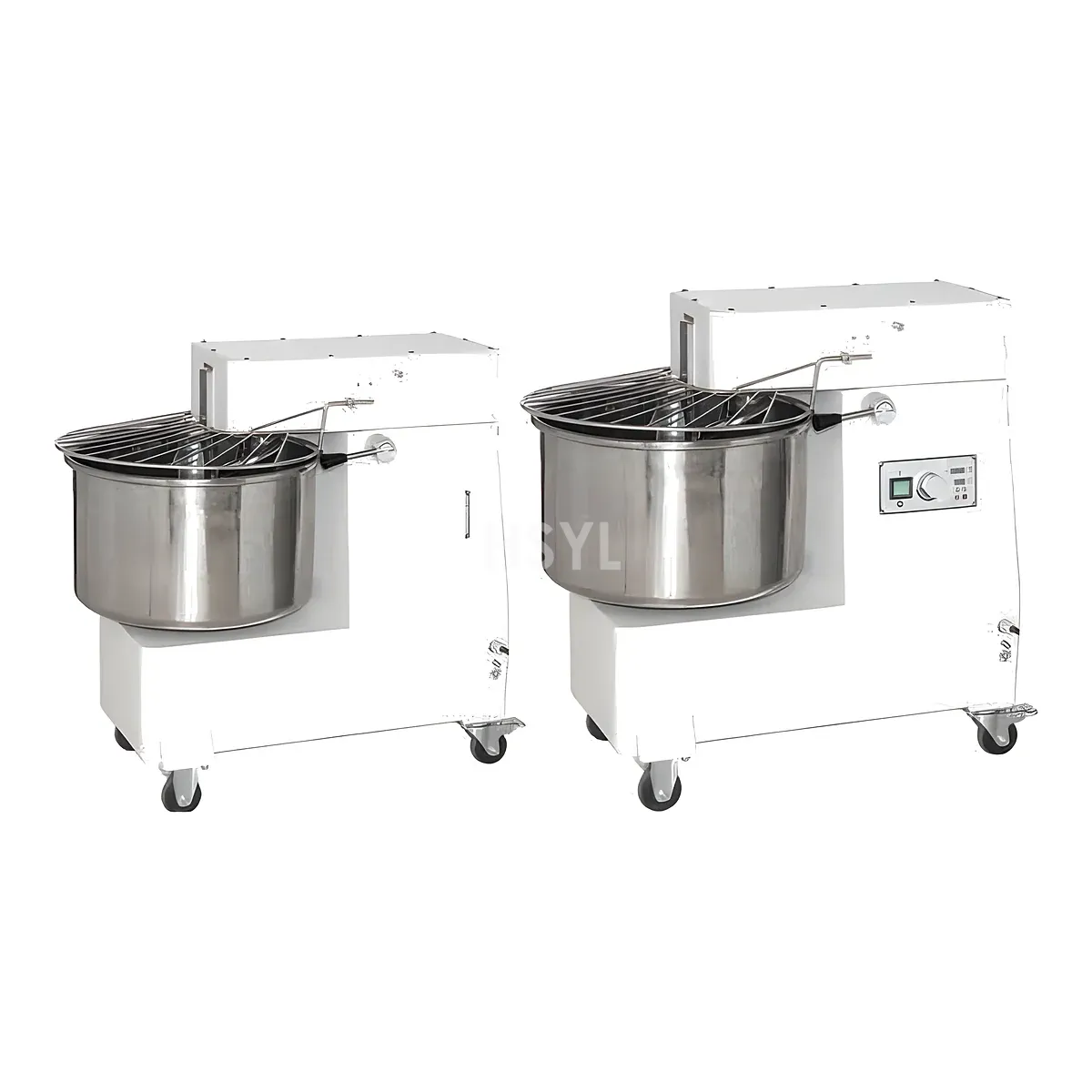
Record the manufacturer, full model designation, serial number and any documented production revision. Include a photograph of the accessible data plate and the complete machine in its normal stopped condition. Use the supplier's approved safety procedure for any inspection; do not remove guards simply to improve the parts enquiry.
Find the parts drawing for that machine and mark the item reference. If the drawing is missing, ask the supplier to provide it from the identification details. RONDO's manufacturer parts resources illustrate the value of associating documentation with the actual machine. They do not provide interchangeable part numbers for a different brand.
For a belt, identify which table or conveyor position is involved using the supplier's terminology and a marked overall photograph. For a scraper, distinguish a wear blade from the complete holder or mounting assembly. Describe damage without assuming that replacing the visible item will resolve the underlying condition.
Request compatibility in writing
- Ask the supplier to confirm the offered part against the serial number and parts-drawing reference.
- Confirm the material and construction specified for that application, rather than selecting by appearance.
- Identify whether the price includes the complete assembly or only the wear item.
- Clarify any associated parts that must be inspected or replaced by authorized service.
- Obtain the relevant fitting, adjustment and cleaning instructions and identify who may perform each task.
If the supplier requests measurements, agree what is to be measured and how it can be obtained safely. Do not dismantle a belt or bring a ruler near rollers for an informal enquiry. Where identification remains uncertain, arrange a service inspection before ordering.
Plan the replacement as a complete intervention
Confirm parts availability, delivery scope and the service appointment separately. A quotation for a belt does not establish that labour, adjustment or restart assessment is included. Retain the offered part number and written compatibility confirmation in the machine's maintenance records. Request missing applicable parts and fitting instructions through the documentation service.
After authorized fitting, obtain the service record and any revised care instructions. Have the machine released and assessed for its intended pastry task under the supplier's procedure. Do not apply a universal belt tension, scraper clearance or roller-gap adjustment because it appeared in a generic article.
For repeated damage, send the previous replacement date, service finding and operating observations back to the supplier. Ordering several identical parts without understanding the recurrence can leave the kitchen with stock that addresses the symptom while the same interruption continues.