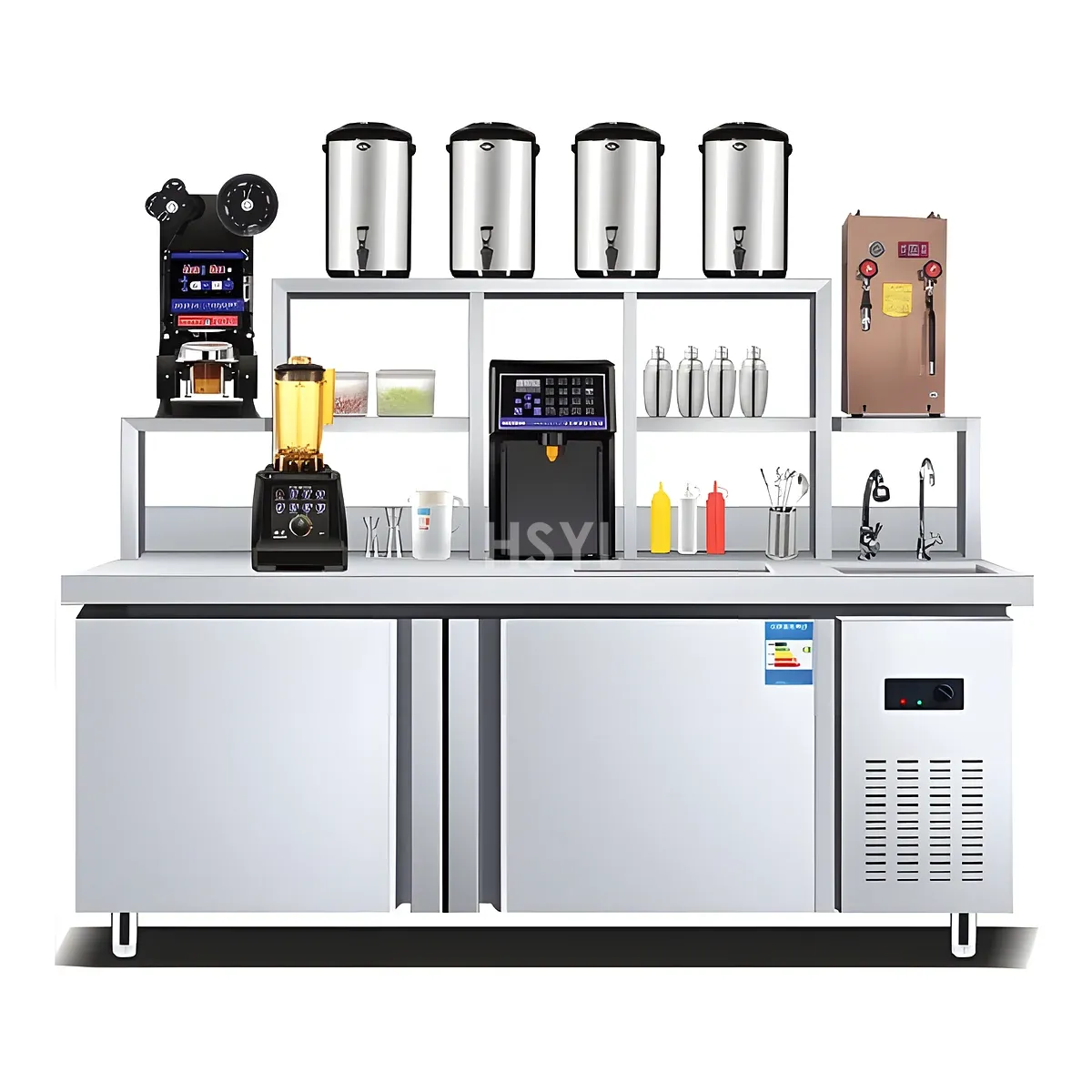
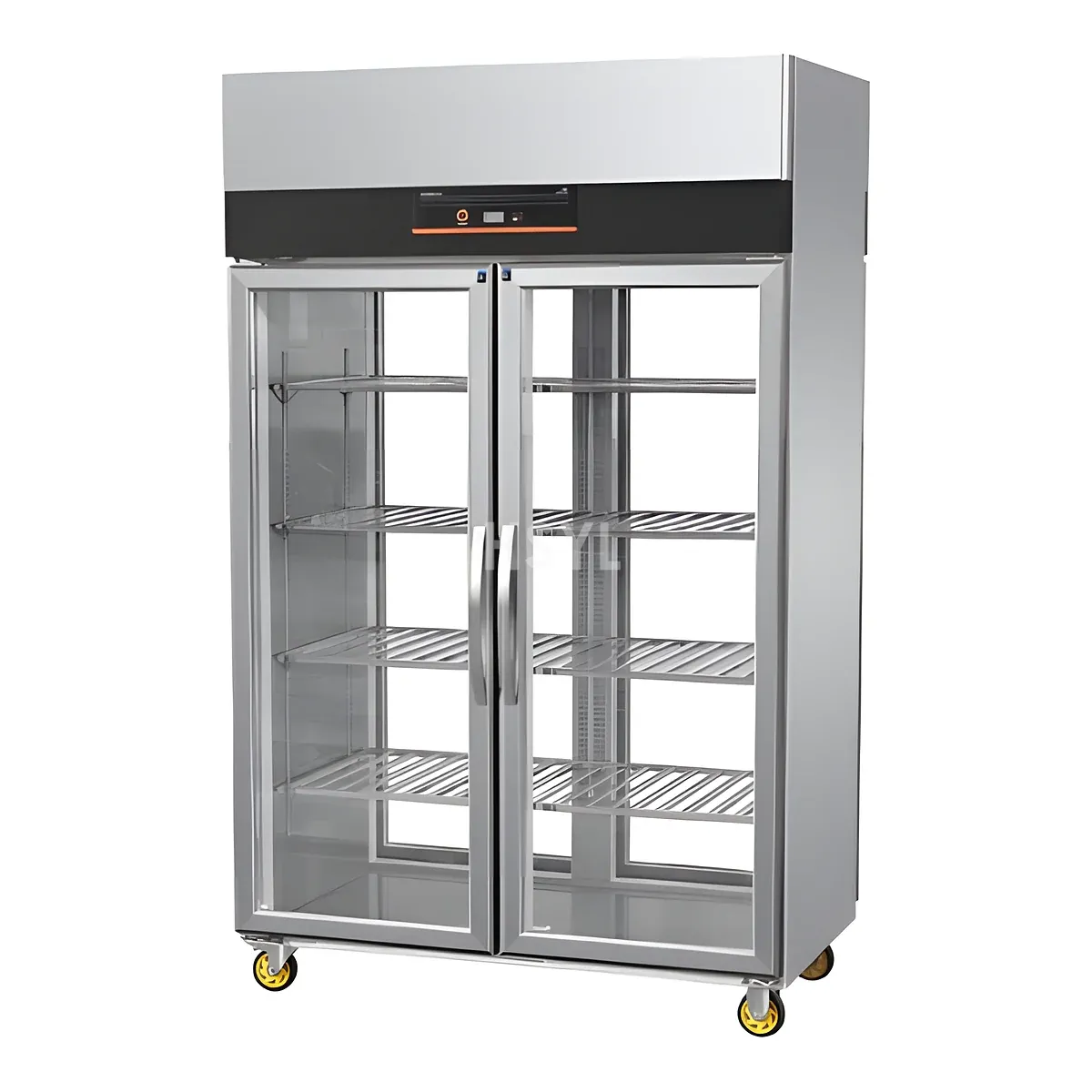
Direct Answer / Key Takeaway: Compare induction wok station configurations through two-cook movement, shared tail pots, ingredient access and simultaneous cooking rather than burner count alone.
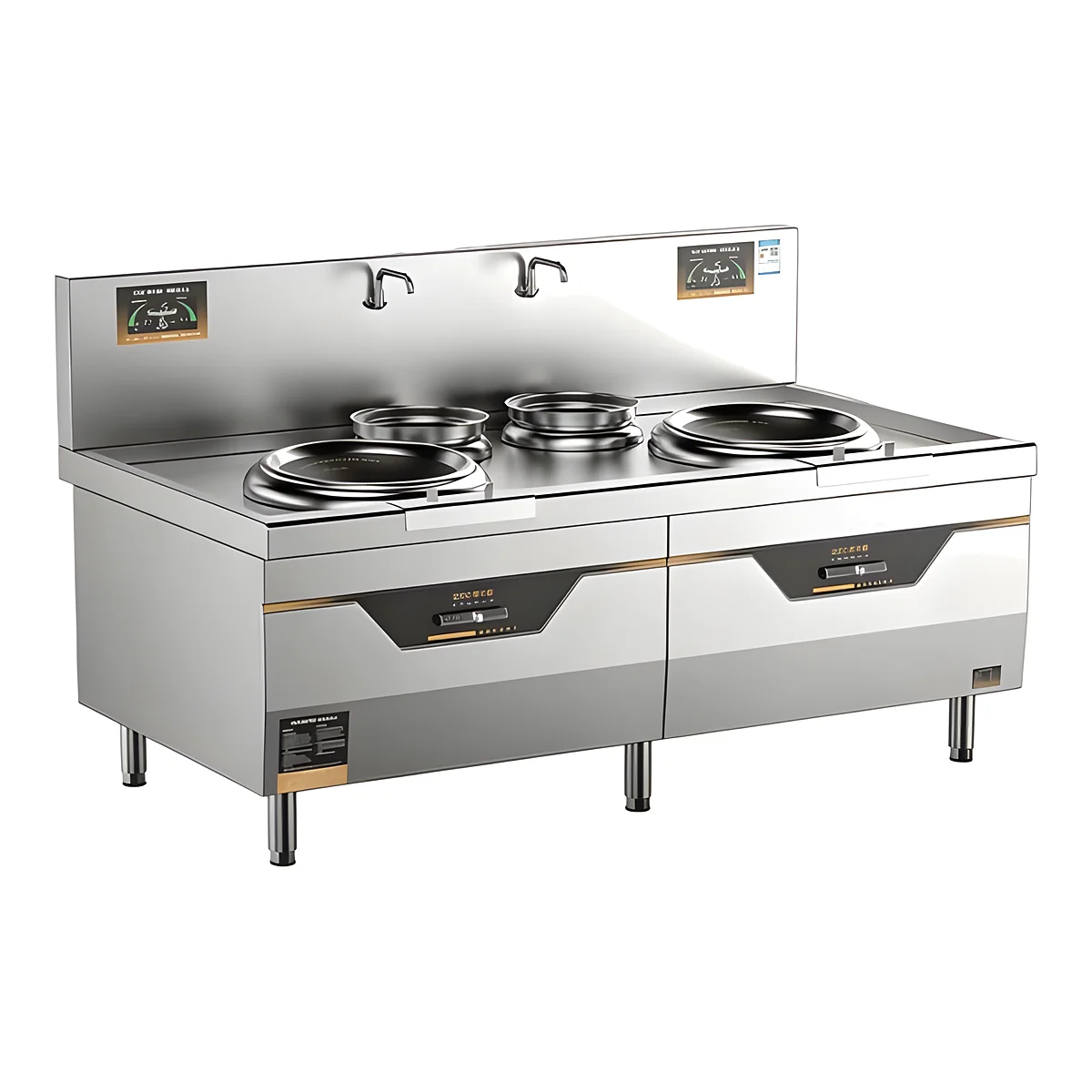
Two active woks do not guarantee two uninterrupted cooking jobs. If both chefs need the same tail position, landing or ingredient supply at the same moment, the second cooking position can leave the shared task as the restriction. Assess that collision before choosing a larger station.
Give the shared resource its own schedule
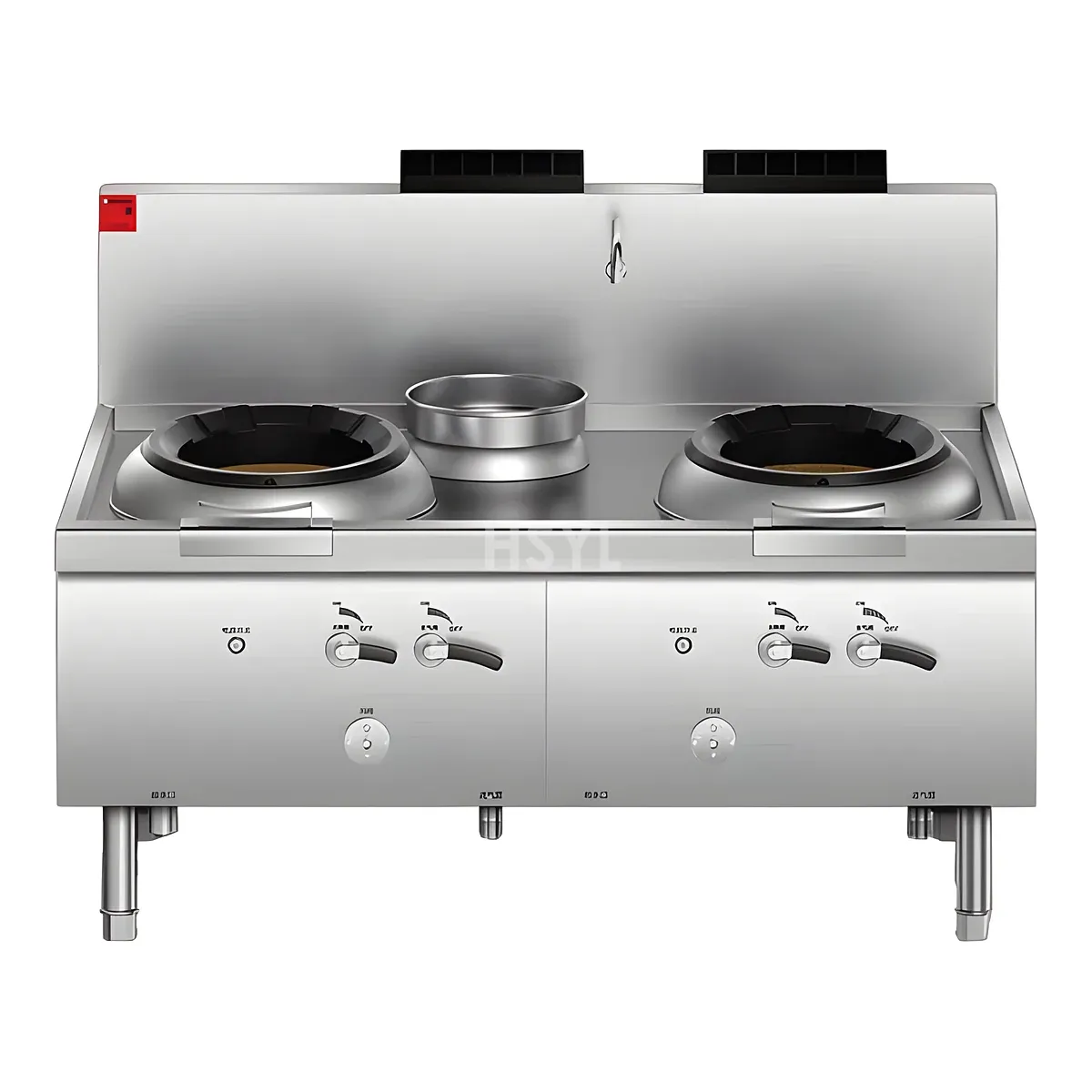
Use the intended menu pair and identify the tasks that each chef performs at the shared position. Confirm that the operating and handling method is accepted for the actual appliance. Then mark when each task needs access, separately from the time its main wok is occupied.
For an illustrative access conflict, assume a particular tail task permits only one chef at a time. Chef A needs that resource from 12:04 to 12:06, and Chef B needs it from 12:05 to 12:07. The windows overlap from 12:05 to 12:06. Those invented times describe a planning conflict, not a wok performance test or a permitted food process.
| Proposed response | Question that decides whether it works |
|---|---|
| Move one access window | Can the accepted recipe and service deadline accommodate that change? |
| Assign a different task to one wok | Does the actual menu provide a useful combination without the same conflict? |
| Provide a second tail arrangement | Can each chef reach and use their assigned resource without interfering elsewhere? |
Do not solve a schedule on paper by shortening a required food step or having two people crowd a position intended for one. A conflict found at the tail may also occur at the single receiving landing, even when each chef has their own wok.
What a second tail can and cannot resolve
The catalog describes X01 as single-burner tailless, X02 as single-burner single-tail with faucet, X03 as double-burner single-tail, and X04 as double-burner double-tail. Compare the single-tail double-wok configuration with the actual alternative around the resource that the chefs need. Two tail positions change the physical arrangement; they do not automatically provide two independent supplies, a particular control behavior or twice the output.
Place each chef's ingredients, tools and finished-dish route on the proposed layout. Show a replenishment movement while both cooks are active. If one chef must repeatedly pass behind the other with hot food, increasing the number of tail positions has not resolved that route.
Finally, confirm the offered electrical declaration and permitted simultaneous operation. Keep that technical question separate from the shared-resource conflict. Use the cooking-task allocation to select a station that supports the actual pairing of jobs. For one chef alternating between two woks, repeat the assessment for that person's movements rather than carrying over a two-chef result.