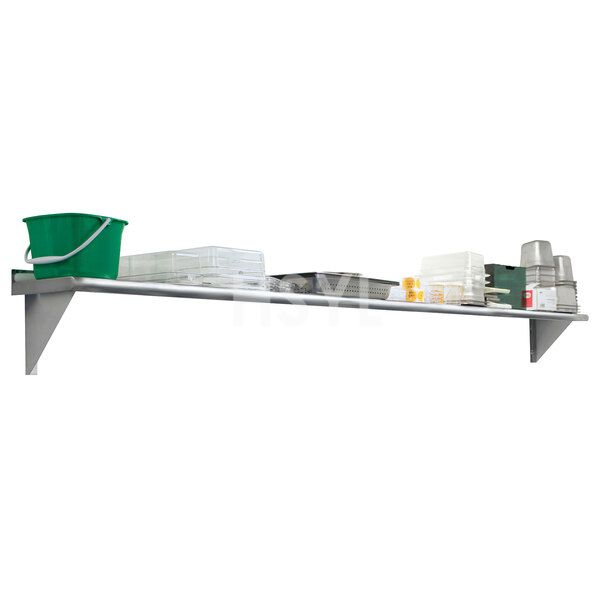
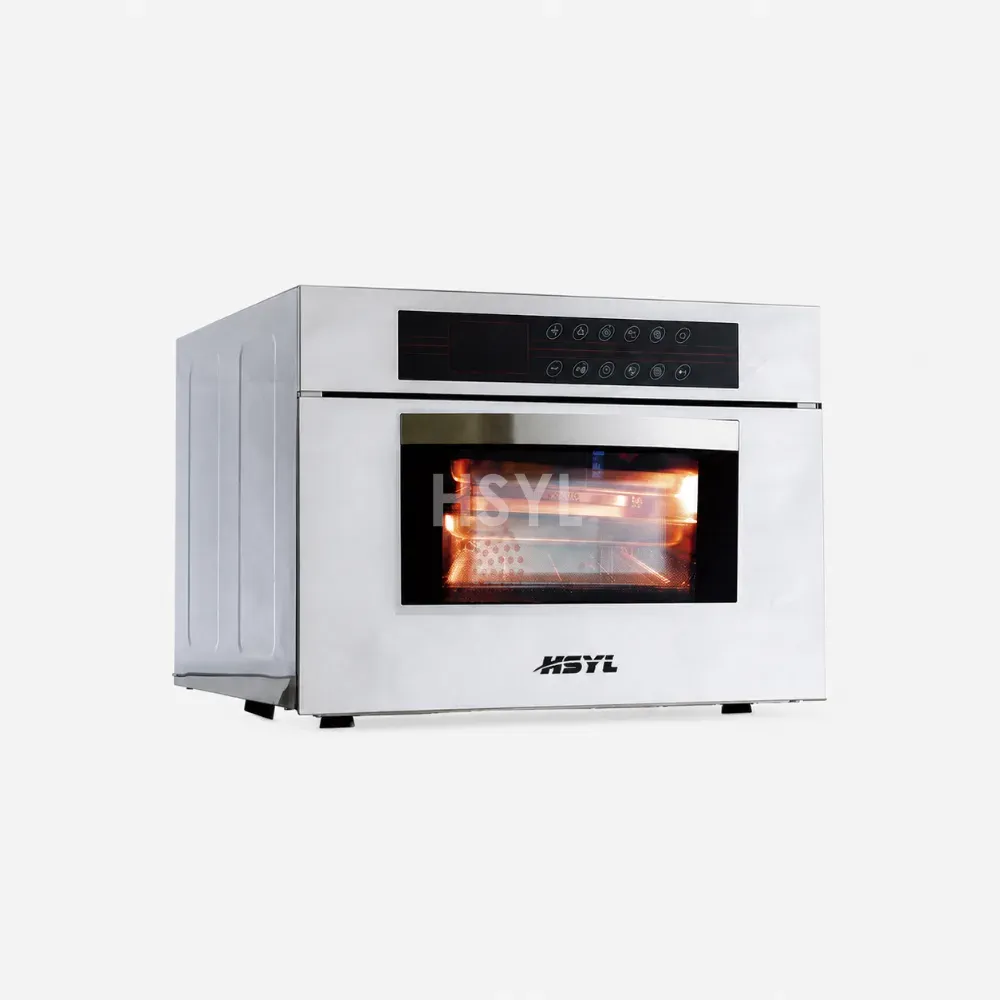
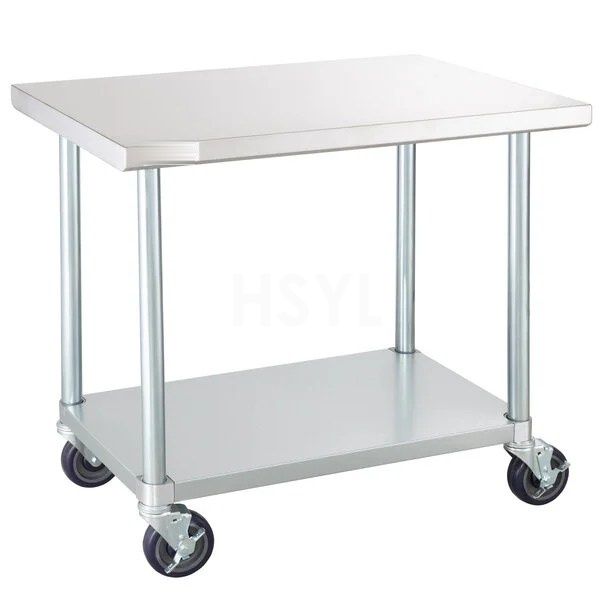
A restaurant cooking equipment list can contain every required appliance and still fail at dinner service. The missing information is often a shared resource: two dishes need the same burner, an oven batch waits for an operator, or finished food reaches a crowded pass. Use a peak-ticket dependency map to decide whether the remedy is another appliance, a different sequence or a better station hand-off.
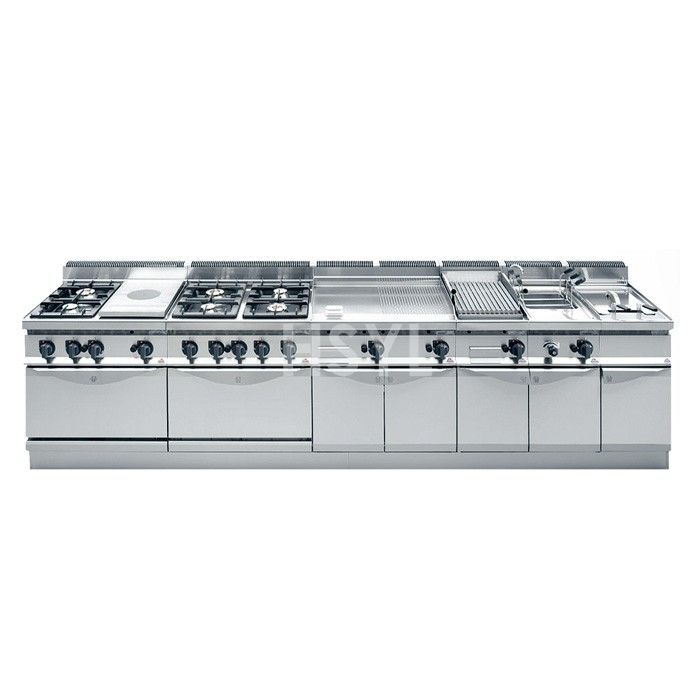
Draw one ticket from order to complete plate
Choose a busy-period ticket containing several dishes. Write each cooking and finishing step in order, naming the appliance, pan or tray, operator and next station. Include the hand-off to plating. Then add another ticket that commonly arrives at the same time. Put the steps on a shared timeline using the kitchen's observed times, not catalogue output ratings. The first point at which two tasks need the same resource is a candidate constraint.
Distinguish an appliance shortage from a hand-off shortage
Consider an illustrative pair of tickets: one main is seared and then finished in an oven; another needs a pan sauce and a fried side. If searing and sauce-making call for the same burner at the same moment, adding oven capacity will not remove that clash. If the fried side is ready but plating cannot take it, a larger fryer may only lengthen the wait before a complete ticket leaves. This example explains the method; it is not an observed result at a restaurant or a performance claim for an HSYL unit.
Mark the wait cause beside each step: appliance occupied, operator occupied, ingredient not ready, changeover or no safe landing space for finished food. Repeating “equipment too small” for all five causes produces the wrong purchase decision.
Test the least disruptive correction first
- Try a different cooking sequence while keeping the same food-quality and food-safety standard. Does the overlap disappear?
- Move only the hand-off or landing point on a dimensioned plan. Does this remove operator travel or hot-tray conflict without crossing raw and finished-food routes?
- If an appliance remains occupied through the critical interval, trial the proposed extra burner, tank or chamber with the actual simultaneous ticket mix.
- Count complete, acceptable tickets leaving the pass within the agreed window, including cleaning and changeover where they occur.
A trial with one isolated dish cannot answer the concurrency question. Equally, a second appliance is unjustified by the map if the actual constraint is plating or ingredient preparation. Coordinate extraction, fire safety, hot-oil handling and installation with the approved site design when a station moves.
Quote the constrained station, then the whole line
Provide suppliers with the menu, observed peak tickets, pan and tray sizes, station plan and utility schedule. Ask them to show which mapped conflict each recommended model removes, along with the model code, included accessories, connection drawing and exclusions. HSYL's cooking equipment range supports the appliance shortlist; the restaurant kitchen solution shows the wider preparation-to-service route. Share a peak-ticket map with HSYL to request a cookline proposal that addresses the actual bottleneck.