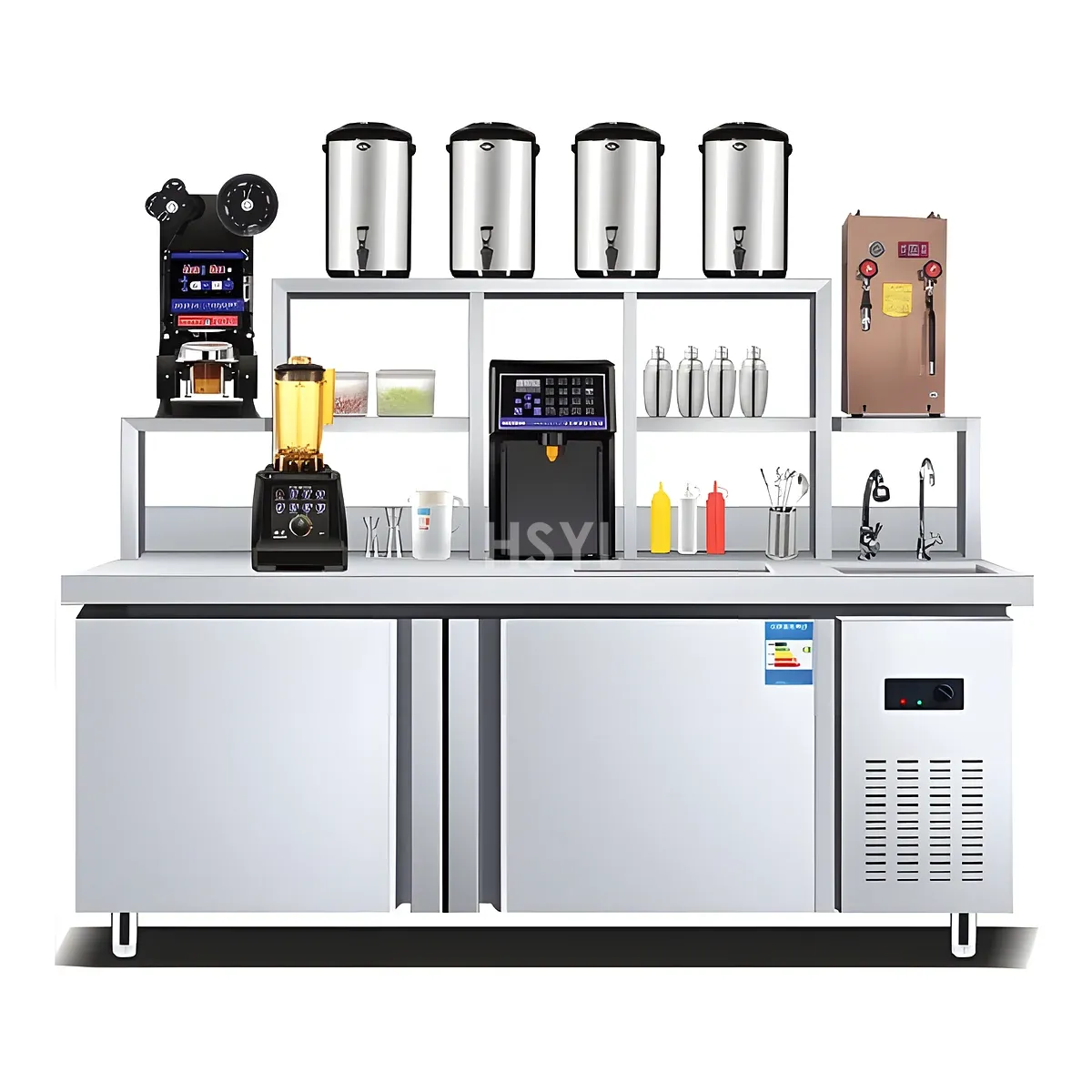
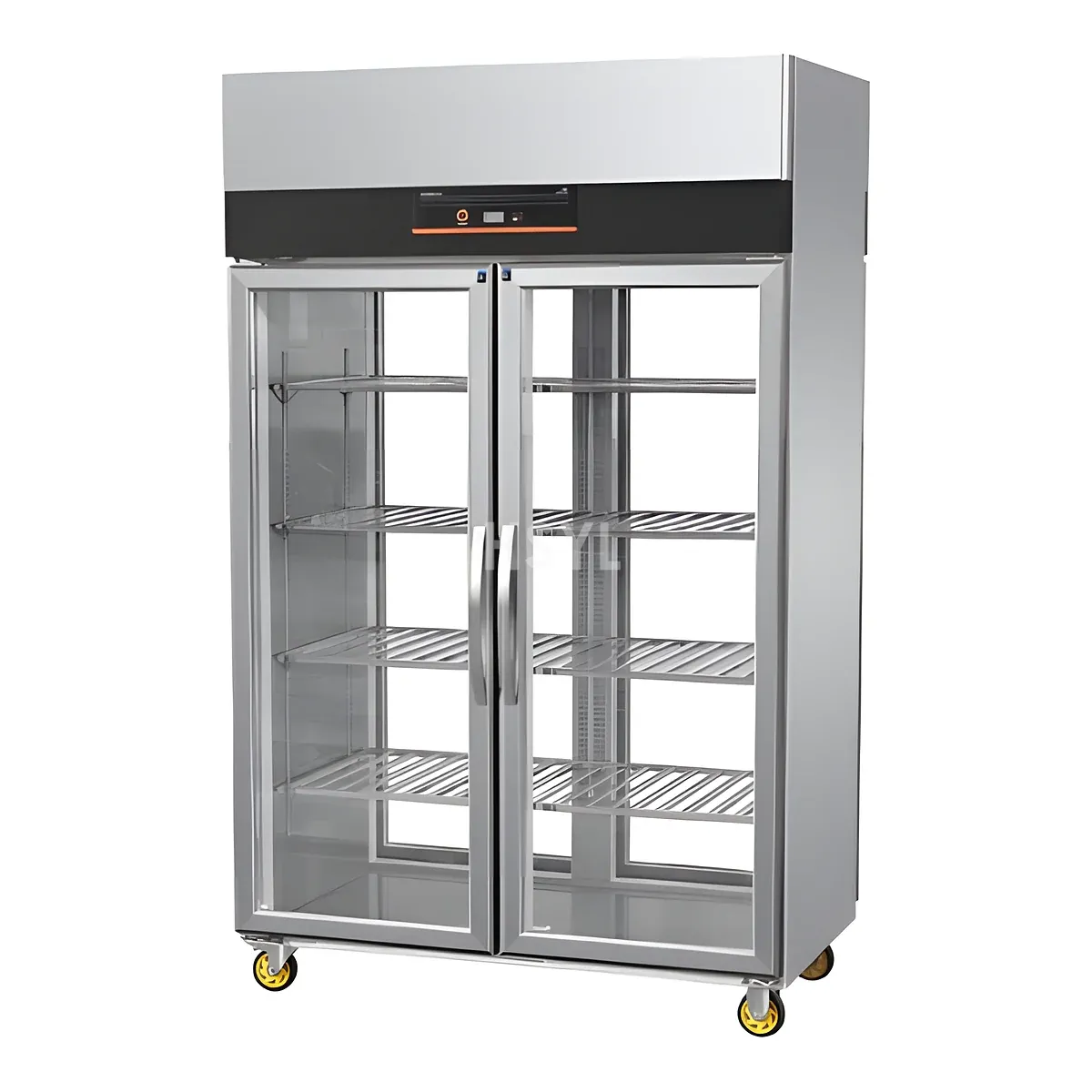
Direct Answer / Key Takeaway: Plan cleaning for the concave induction bowl, surrounding joints, faucet and air openings using the actual range instructions, with a clear handover for visible damage.
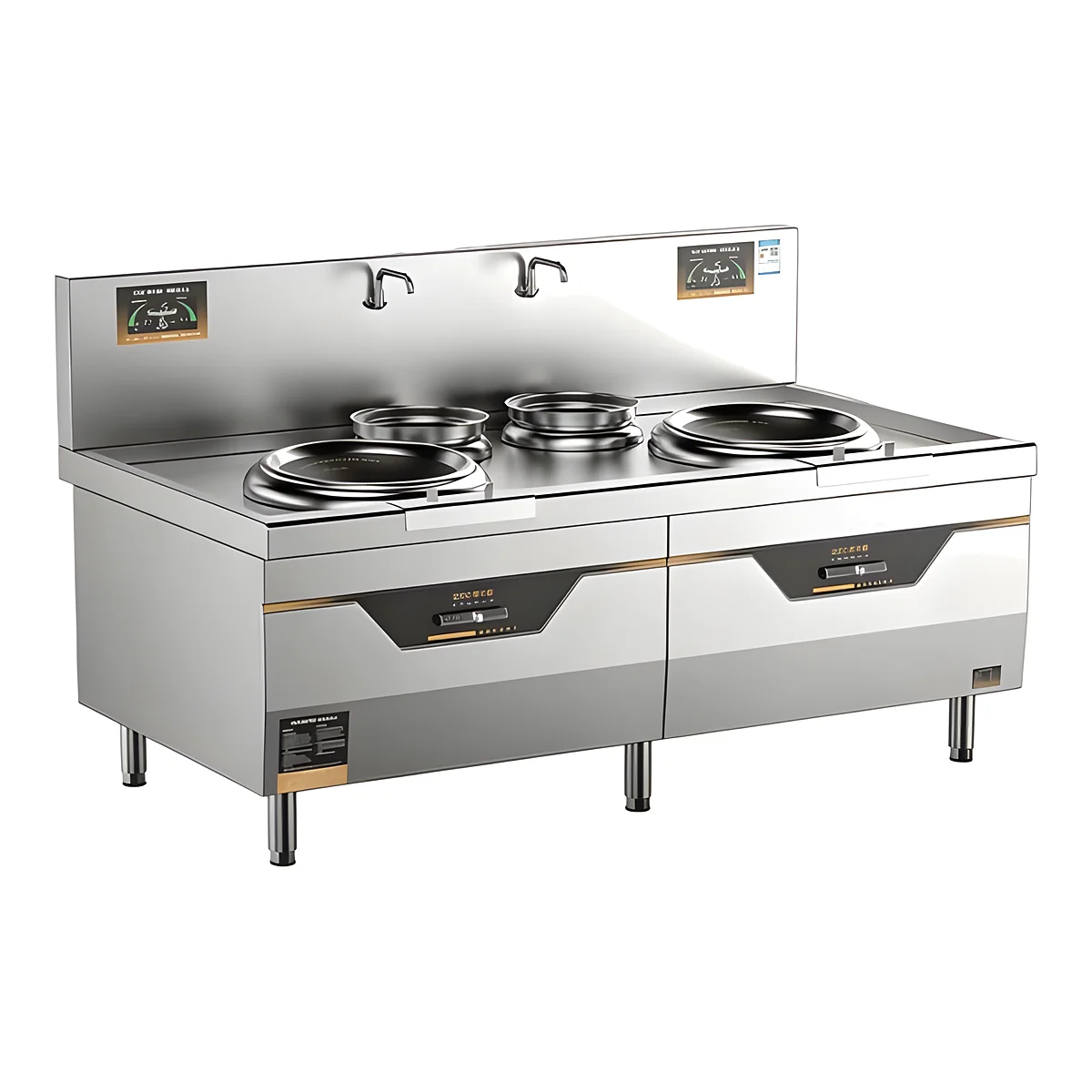
The concave glass-ceramic bowl of an induction wok range is a cooking interface, not a general washing basin. A nearby faucet does not define how much water may be directed at the bowl, its joints or the cabinet. Plan cleaning from the delivered model's instructions and keep the water route visible.
Prepare the station in its approved condition
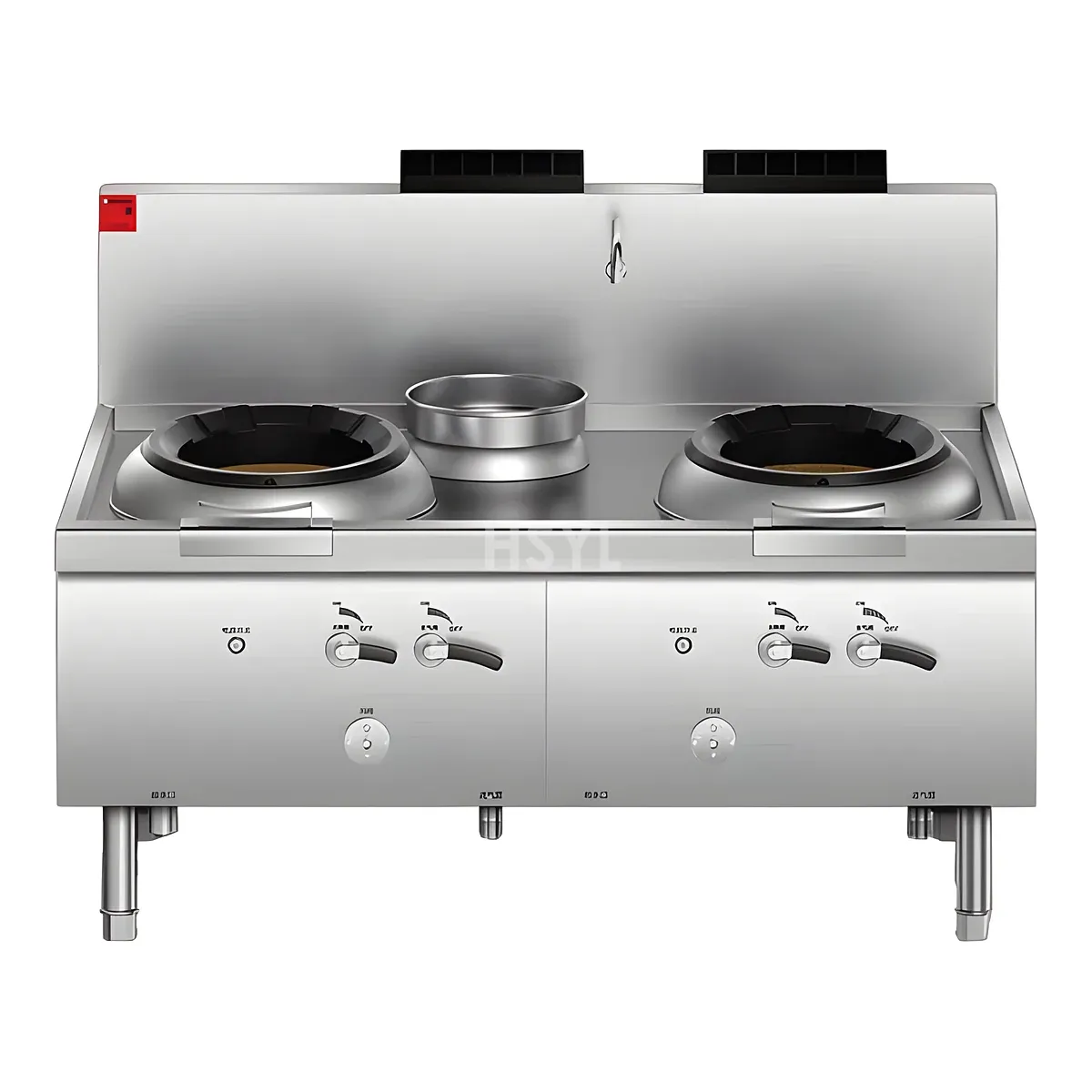
Follow the shutdown, isolation and cooling instructions before cleaning. Remove the wok and operator-removable items only as permitted, then provide a proper place to clean and dry them. Do not transfer the wok's washing task into the appliance bowl because the shapes appear to match.
The catalog's X01 and X02 entries both identify a 400 mm glass-ceramic bowl with a 500 mm wok, while their tail and faucet arrangements differ. The selected wok range must therefore have its own cleaning instruction; a photograph of another station is insufficient.
Remove deposits without inventing a surface treatment
Use only the cleaner, tools and application method accepted for the supplied bowl and its surrounding materials. Confirm how food residue is loosened and removed. Do not assume that a metal scraper, abrasive pad or a cleaner intended for a different glass surface is permitted.
Control where cleaning liquid goes. Include the bowl edge, joints and nearby controls in the method rather than washing the visible center and letting runoff choose its own route. Any manufacturer limit on spraying or rinsing must remain part of the instruction even where the station includes a faucet.
Inspect the interface before putting the wok back
After the permitted cleaning and drying steps, look for visible chips, cracks, displaced material or a changed joint around the bowl. Do not probe a joint with a tool to test its depth. If damage is suspected, stop use and have the supplier or authorized service person assess the appliance under its instructions.
Record the location and take a safe photograph. Include whether the mark appeared after an impact, a new cleaning tool or another known event. A visible line should be assessed before a replacement sealant or part is chosen; applying general-purpose silicone is not an operator cleaning step.
Finish with the surrounding station
Clean the tail area and faucet, where fitted, through their permitted procedures. Check that stored items, cloths and cleaned utensils do not obstruct air openings or controls. Operator cleaning must not require opening the power-electronics enclosure or spraying through ventilation slots.
Return the correct wok and removable parts in their approved positions. Keep unresolved damage separate from a completed cleaning sign-off, and use the maintenance handover for service work. A clean-looking bowl is only one part of a station that is ready to return to cooking.