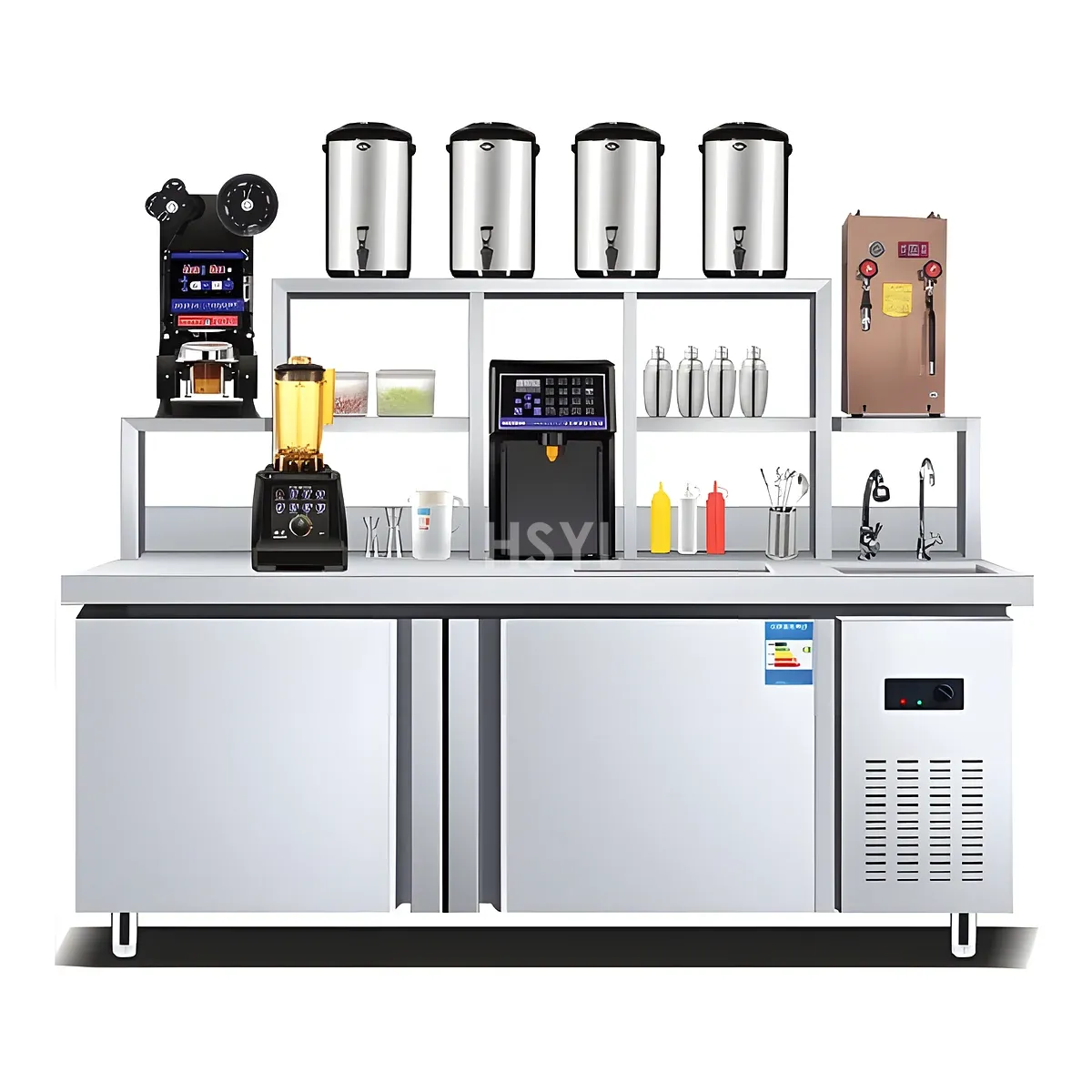
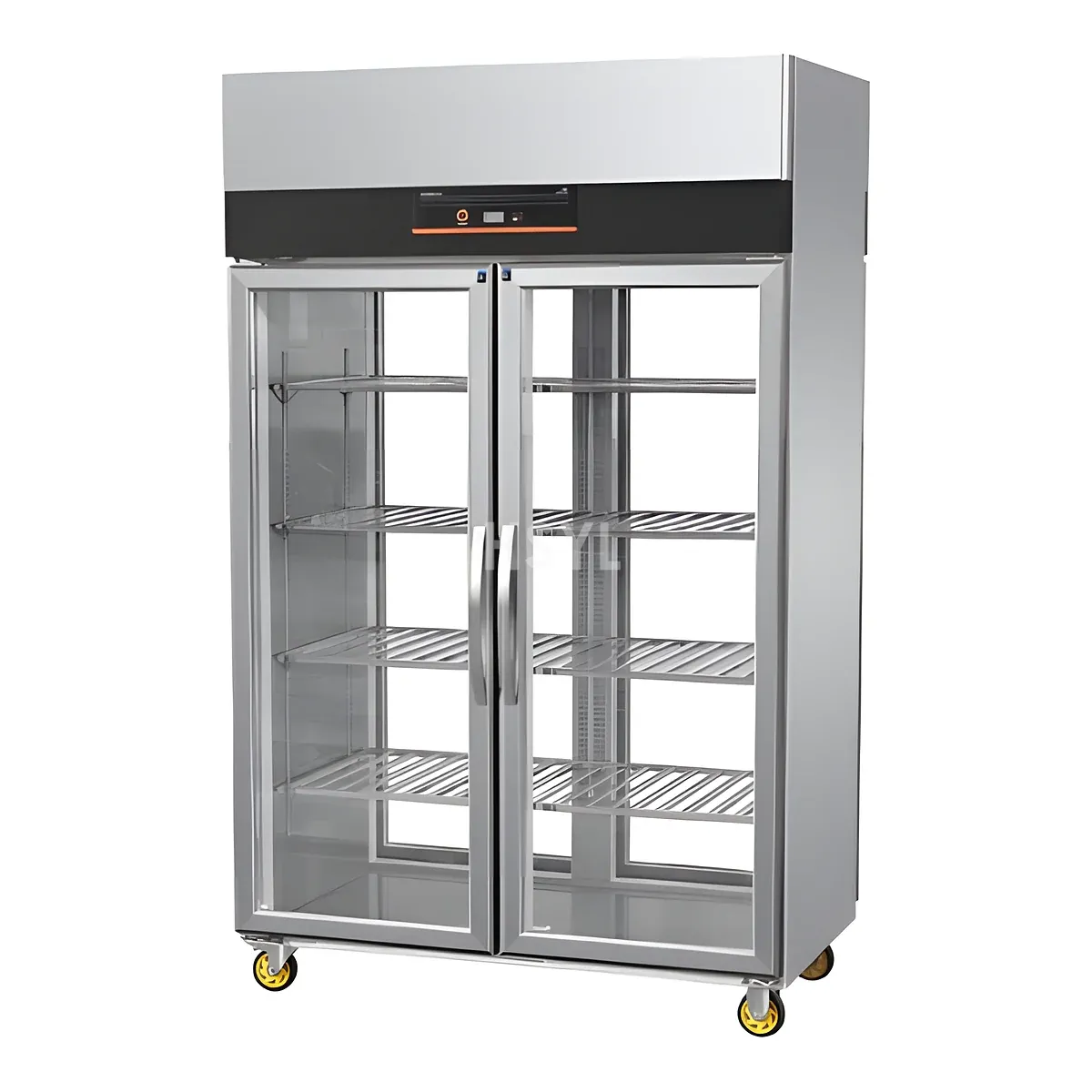
Direct Answer / Key Takeaway: Select an induction wok station by compatible bowl shape, recipe load, cook‘s movement and transfer space. Distinguish countertop units from larger wok ranges.
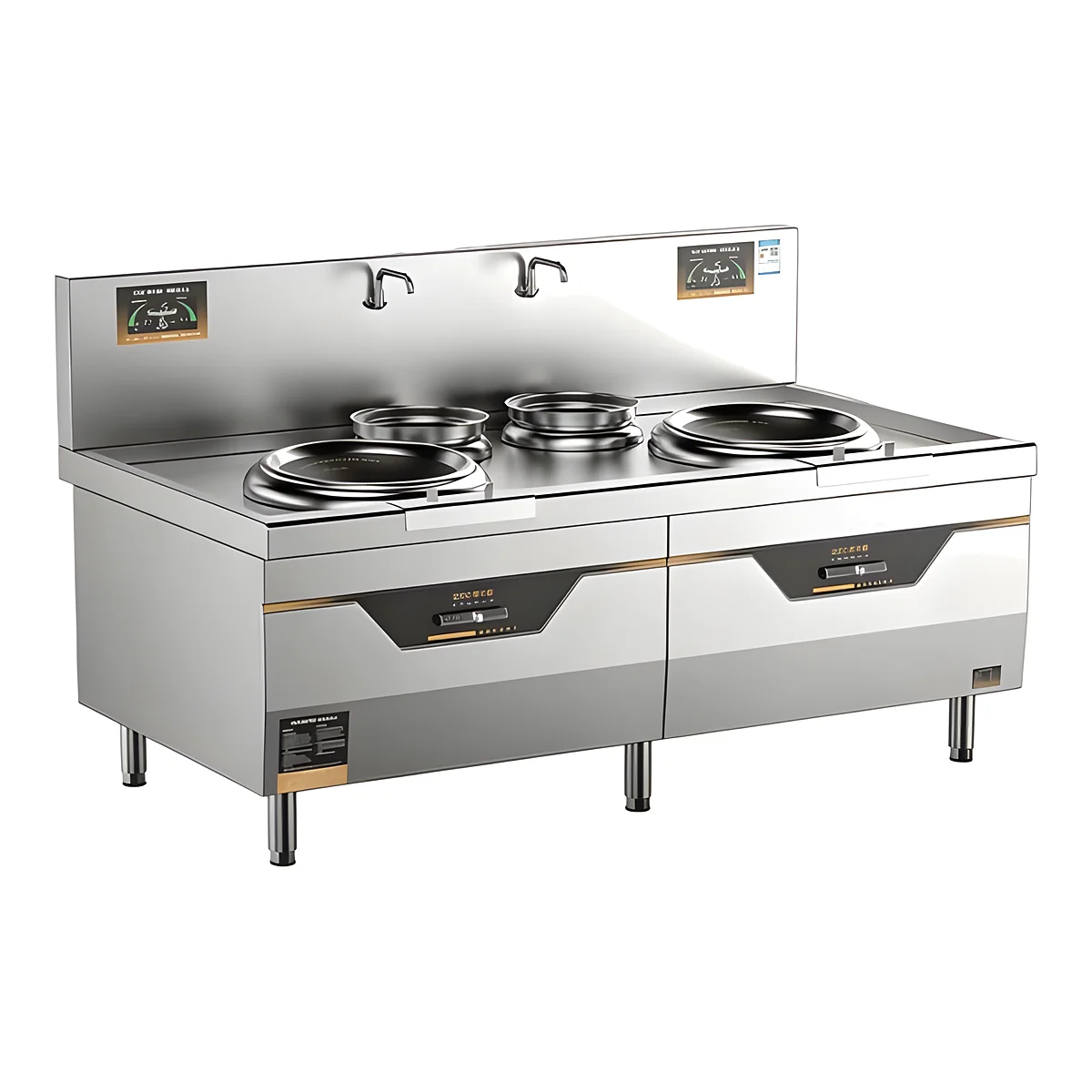
A compact concave induction cooker and a larger commercial wok range can both be called an induction wok station, but they create different working positions. Begin with the wok the chef can use effectively for the menu. Then assess the appliance, loading and surrounding space as one station.
Match the vessel shape to the cooking surface
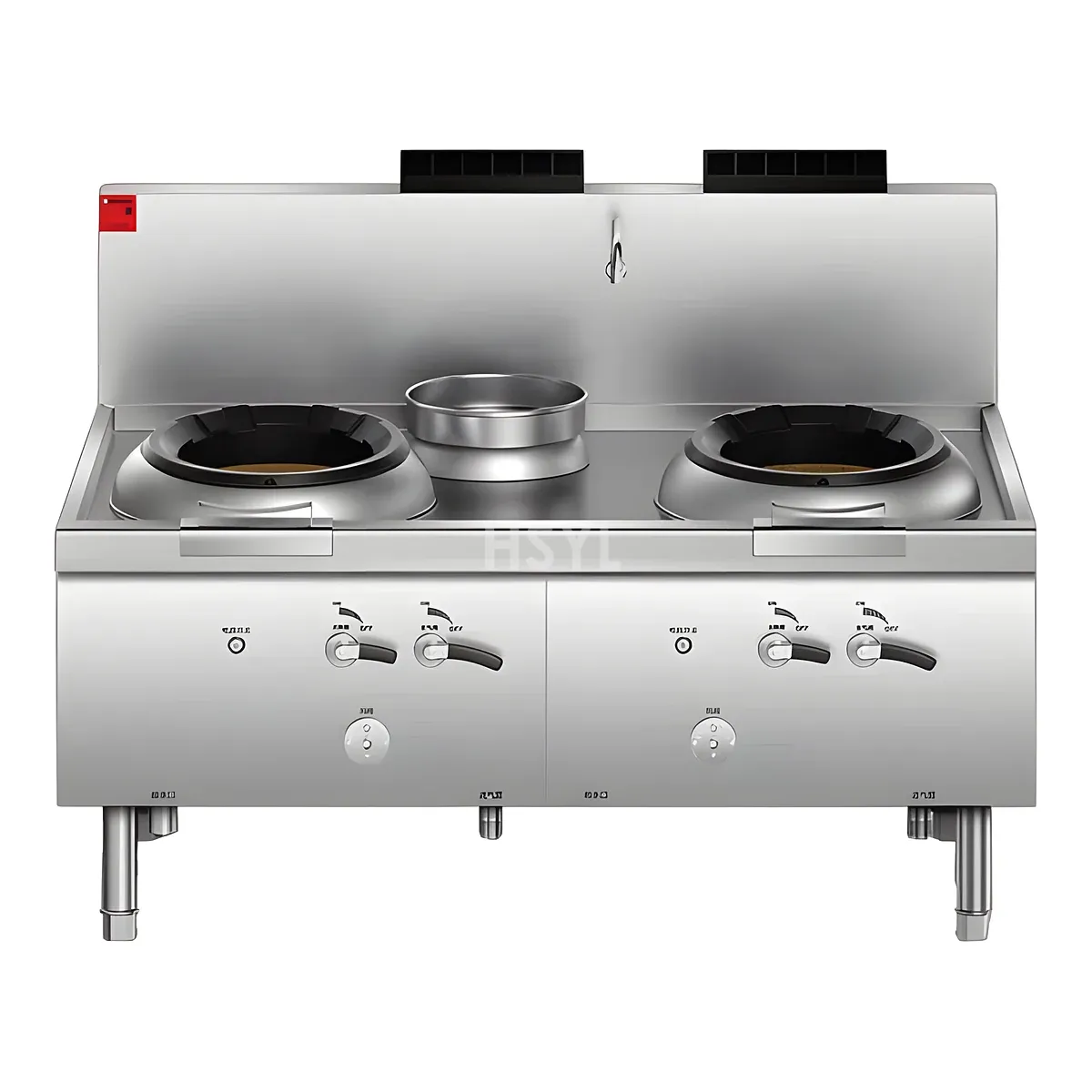
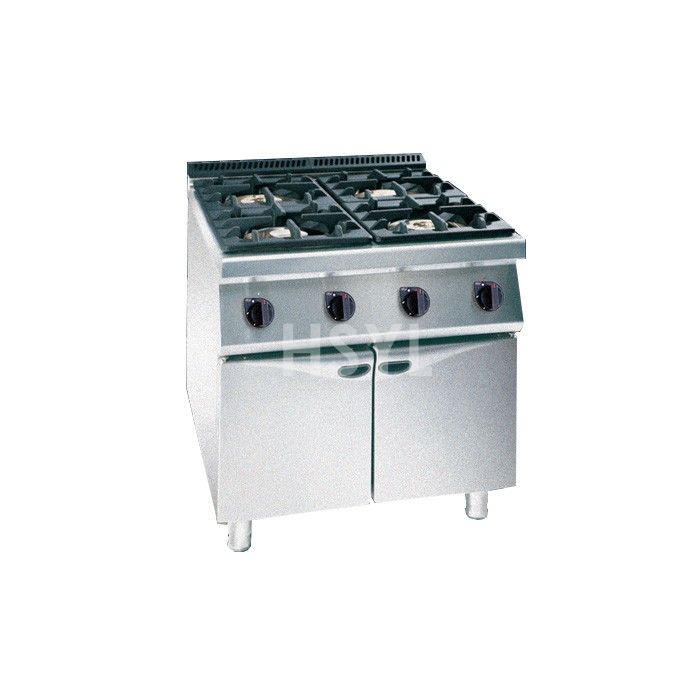
The catalog identifies AL01 as a concave countertop cooker for compatible round-bottom iron woks. It separately shows larger commercial wok-range arrangements, including the D02 with two 600 mm wok positions. These entries demonstrate that a countertop bowl and a larger production wok are not simply different power settings of the same workstation.
Ask the supplier to identify the vessel intended for the selected model. Confirm the accepted shape, size and loading limits using that model's instructions. Do not substitute a flatter, wider or heavier wok just because it can be balanced above the cooking surface.
Describe the batch the chef actually handles
Record the ingredients, their preparation and the batch quantity used for the intended dish. Check how the cook adds ingredients, stirs, tosses where applicable and removes the finished food. A vessel filled to its physical rim does not describe a workable stir-fry batch.
Use the chef's normal tools and the receiving container in the assessment. Long ladles, handles and a hot food transfer take space outside the appliance envelope. If the working method depends on lifting the wok, confirm that this movement is permitted by the selected appliance and cookware arrangement.
Place ingredients and finished food on the correct sides
Draw the route of prepared ingredients to the wok and of finished food away from it. Reserve locations for the tools and containers that are used repeatedly. Avoid a layout in which the cook must turn across a congested aisle with hot food or reach over a neighboring active station.
A tail pot, faucet or stockpot position can change this route, but it must be an actual included feature. The catalog shows several range arrangements; their accessories should not be attributed to the compact countertop unit without confirmation.
Judge the station through its intended service sequence
One dish can establish vessel fit but may not show the demand of successive orders. Observe the planned sequence with the accepted batch and record finished quantity, handling interruptions and the time until the next order can proceed. Separate a delay in ingredient preparation from a limit at the wok.
Complete the site review for the exact electrical supply, working height, ventilation and cleaning access of the chosen arrangement. A larger wok may require a different kitchen layout, while a compact unit may suit a smaller task without replacing a bulk-production station. Neither choice should be described as universally better from its power rating alone.
The selected specification should name the vessel, cooking task, usable batch and accepted operator arrangement. It should not promise a number of diners or an energy-saving percentage that has not been established for that menu and installation.