Direct Answer / Key Takeaway: Compare cost per usable portion, handling time and demand variability before buying a slicer for deli meat. Include cleaning, support and unsold prepared product.
A slicer purchase can be difficult to justify from the difference between whole-meat and pre-sliced prices alone. The kitchen sells usable portions, and preparing them takes time before and after the knife runs. Compare the two supply options at that finished-portion level.
First make the products comparable
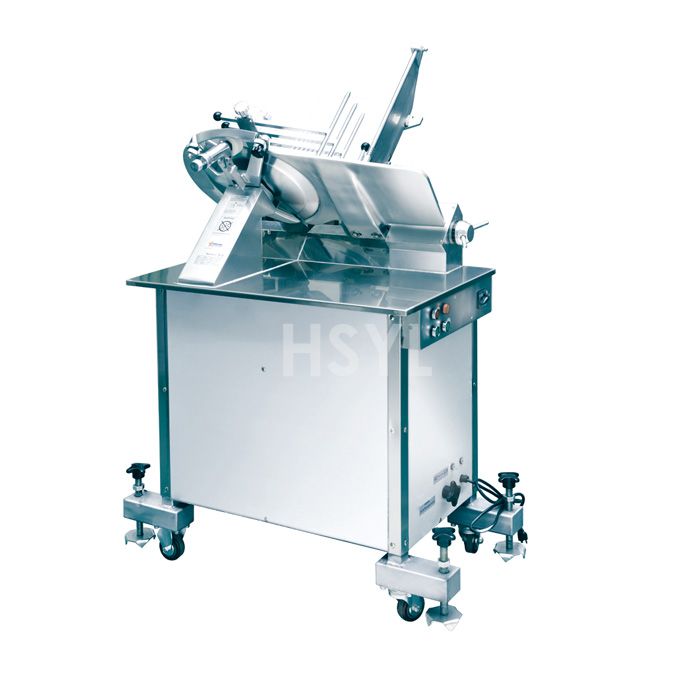
Specify the meat, portion mass, slice presentation and intended use. Confirm that the whole item and pre-sliced alternative are acceptable substitutes for the menu. A lower price for a different product is a purchasing change, not evidence of a slicer's benefit.
Record what happens to ends, damaged slices and off-spec portions under the kitchen's approved product plan. Count material as usable only where it has a real, permitted use. Giving every trimming an assumed sale value can make a cost comparison look favourable without changing the kitchen's purchasing needs.
A short example shows why yield matters
Suppose a hypothetical whole item costs 90 cost units and produces 9 kg of usable slices. Its ingredient cost is 10 units per usable kilogram before preparation labour and equipment costs. If an equivalent pre-sliced product costs 11 units per usable kilogram, the starting difference is only 1 unit per kilogram.
That difference must cover the additional work and costs of in-house slicing. If the kitchen instead compares the whole item's purchase weight with the weight of ready-to-use packs, it may overstate the difference. Use the actual product weights and costs from the kitchen; the example is arithmetic, not a market-price or yield claim.
For portion costing, apply the same portion mass to both usable-kilogram costs. Then separately show any observed change in portion consistency or reject quantities. Do not count the same reduction in waste twice.
Time the complete job and match it to demand
Include receiving and staging, setup, slicing, portion checking, packaging, approved storage and cleaning. Use the staffing arrangement that would actually operate the station. A machine running unattended in a demonstration does not establish unattended production in the proposed kitchen.
Compare a representative busy day and a smaller-demand day. Small batches may carry much the same setup and cleaning work as larger ones. Record unsold prepared product under the site's food-safety and stock-control rules rather than assuming everything sliced will be sold.
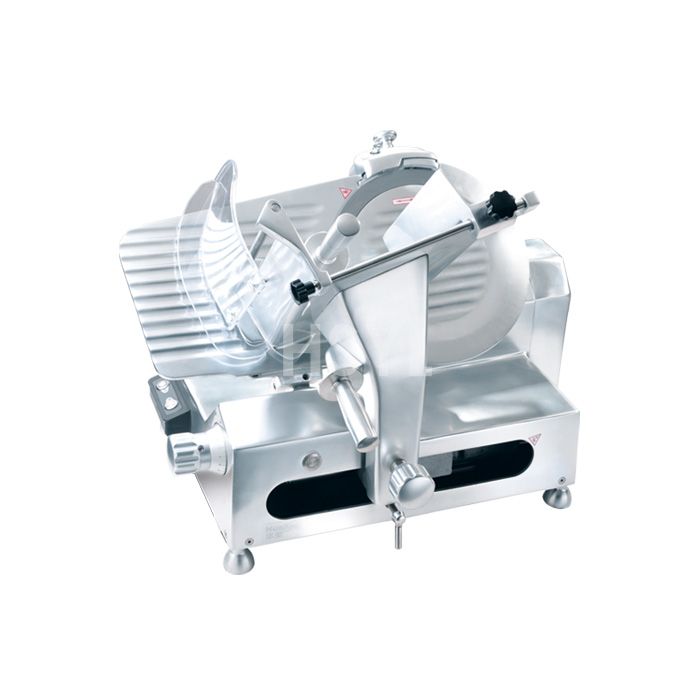
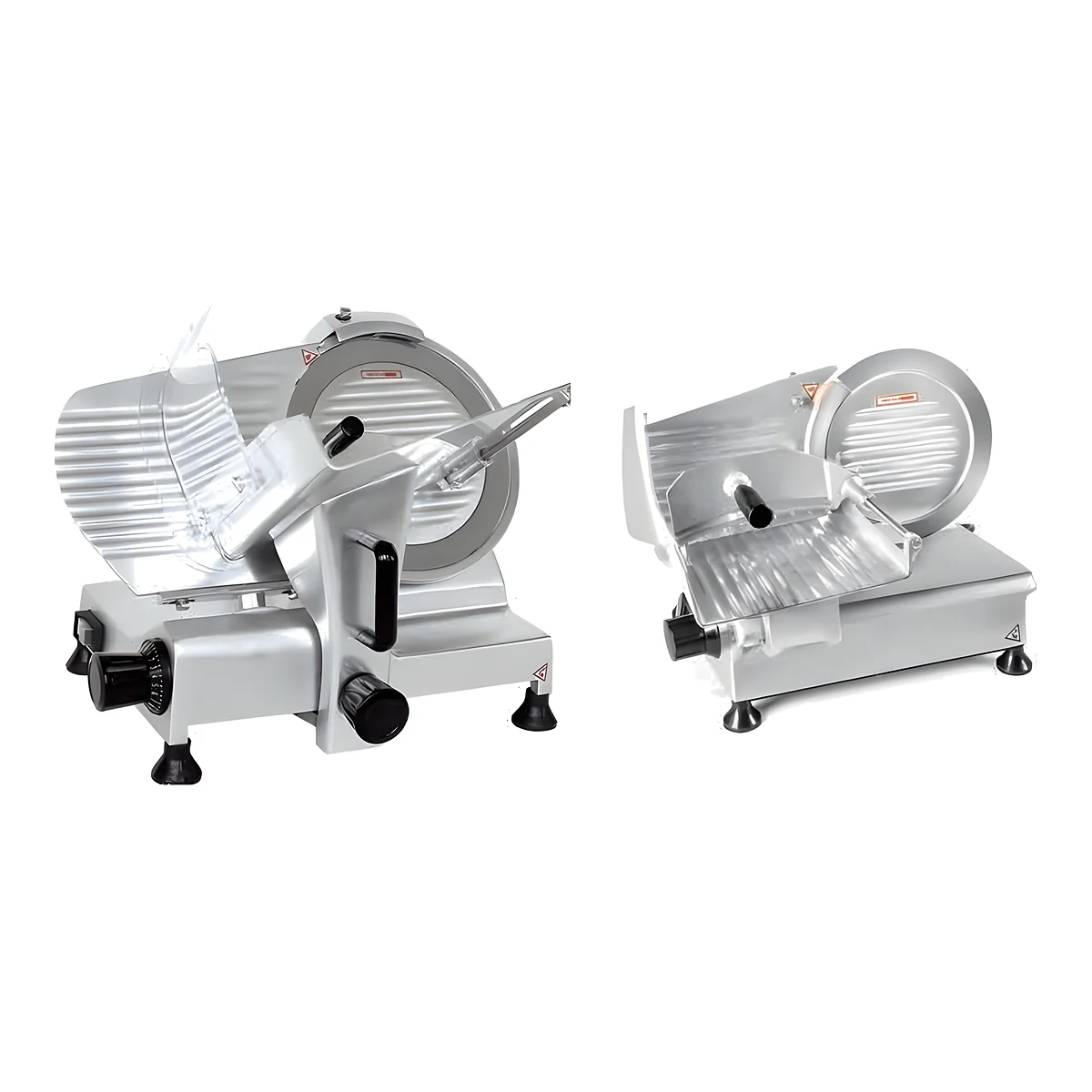
Once the workload is clear, discuss suitable slicer configurations with the supplier. Include the support surface, delivery, training, planned maintenance and parts in the comparison. Do not transfer one model's cleaning features or duty rating to another.
The purchasing review should state the expected usable portions, complete handling time and cost difference for each demand case. If the apparent saving relies on excluding cleaning or finding a new use for every end piece, resolve those assumptions before treating it as money available to fund the machine.