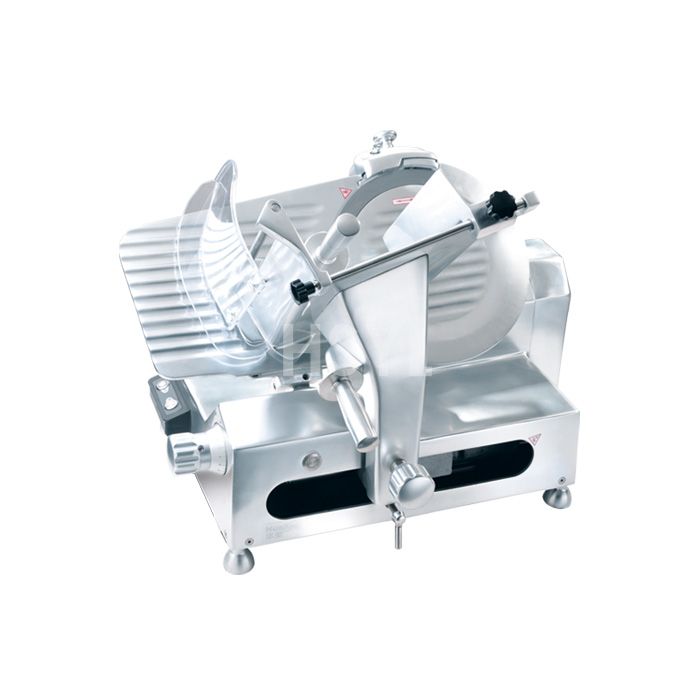
Direct Answer / Key Takeaway: Describe a change in slice quality with the actual food, settings and machine identity. Confirm approved sharpening and service instructions for the installed slicer.
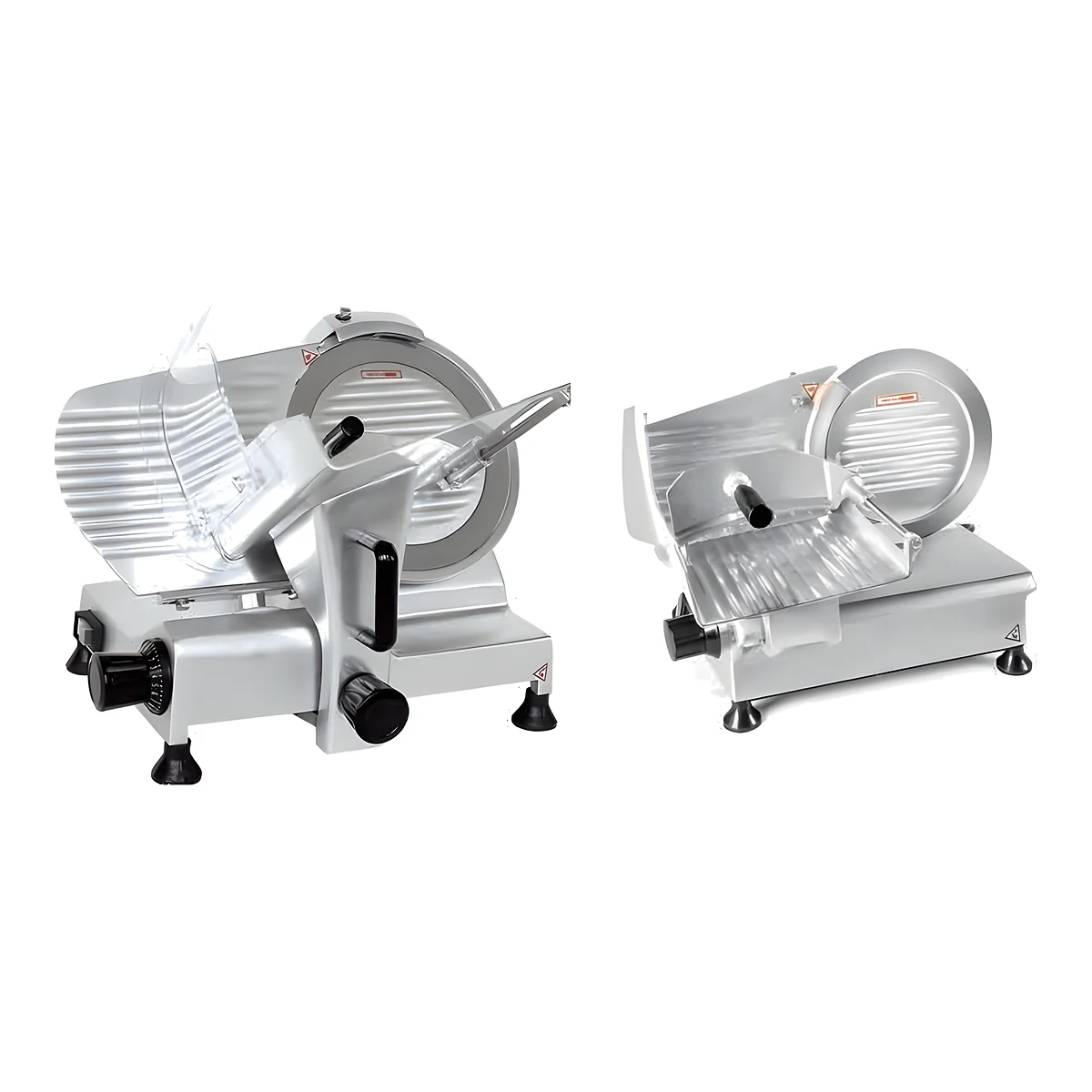
When previously acceptable deli slices begin to tear or vary, a fixed sharpening interval does not explain what changed. Report the food and result precisely, check the installed slicer's approved maintenance instructions and have the appropriate trained person decide the response. Repeated sharpening without that context can hide the original problem.
Describe the failed portion
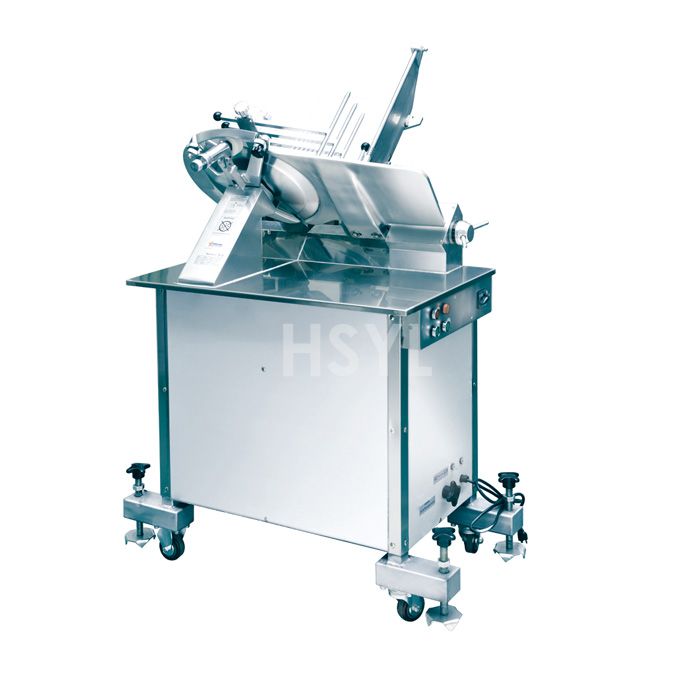
Keep the portion specification visible: product identity, intended slice presentation and the setting used. Record whether the change affects the whole slice, its edge or only a particular product. Compare equivalent food prepared under the kitchen's approved handling conditions rather than changing the product and machine settings together.
Document when the result last met the kitchen's requirement and any known changes since then. Include recent approved cleaning, service, part replacement or relocation. Photograph representative slices away from the moving equipment. Do not create a new fault by reaching near the knife to obtain a photograph.
State what staff actually observed, such as a higher count of rejected portions in a defined batch. Avoid recording blade blunt as a confirmed cause unless the responsible person has established it. The service provider needs the observation and history before a repair conclusion.
Find the right instructions before touching the sharpener
Record the model and serial number, and locate the manual covering that construction. Knife access and cleaning arrangements differ even within a manufacturer's slicer family. Hobart, for example, provides separate guidance for removable and non-removable knife configurations; neither procedure establishes what is permitted on a different machine.
Ask the supplier to identify the approved sharpening task, who may perform it, the required safety procedure and how completion is assessed. Do not transfer sharpening angles, contact times or stone-dressing methods from a different model. A built-in housing does not establish that every part inside it is an operator service item.
Keep the correct instructions in the station's model-specific document file. If they are missing, use the technical-document request service to obtain them before attempting maintenance. Treat damaged guarding, unusual movement or other safety concerns under the site's stop-use and service process.
Verify the intended product after authorized work
Have the responsible person record the work performed and parts used. Reassess the same permitted food and portion specification after the machine is released for use. Record acceptable slices and rejects over a defined batch rather than accepting a single attractive slice as proof that the job is restored.
Retain the result beside the original report. If the symptom returns, service can compare the interval, product and completed work without guessing from memory. For a replacement-machine enquiry, use that history to discuss a suitable slicer configuration rather than assuming a larger blade will solve an unexplained quality change.