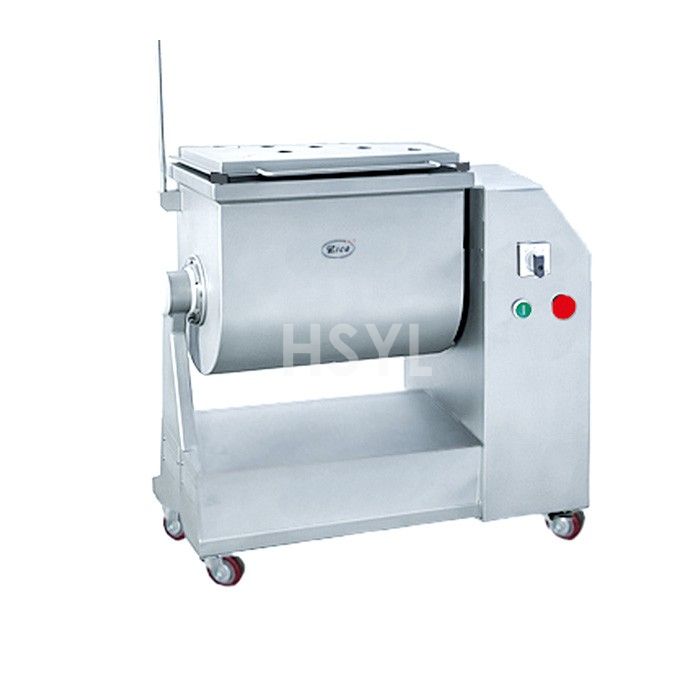
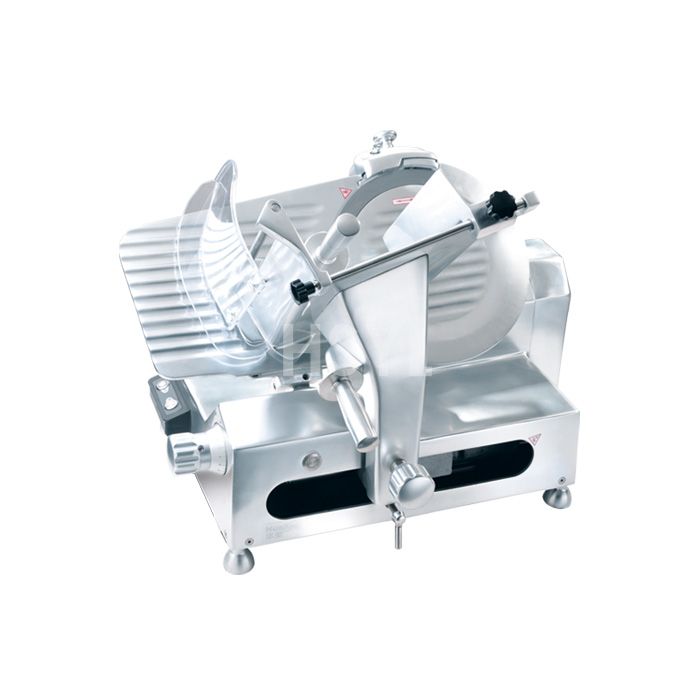
Direct Answer / Key Takeaway: Translate deli portions into a slicing task, then check product fit, operator time and packing. Keep blade diameter separate from the complete station‘s output.
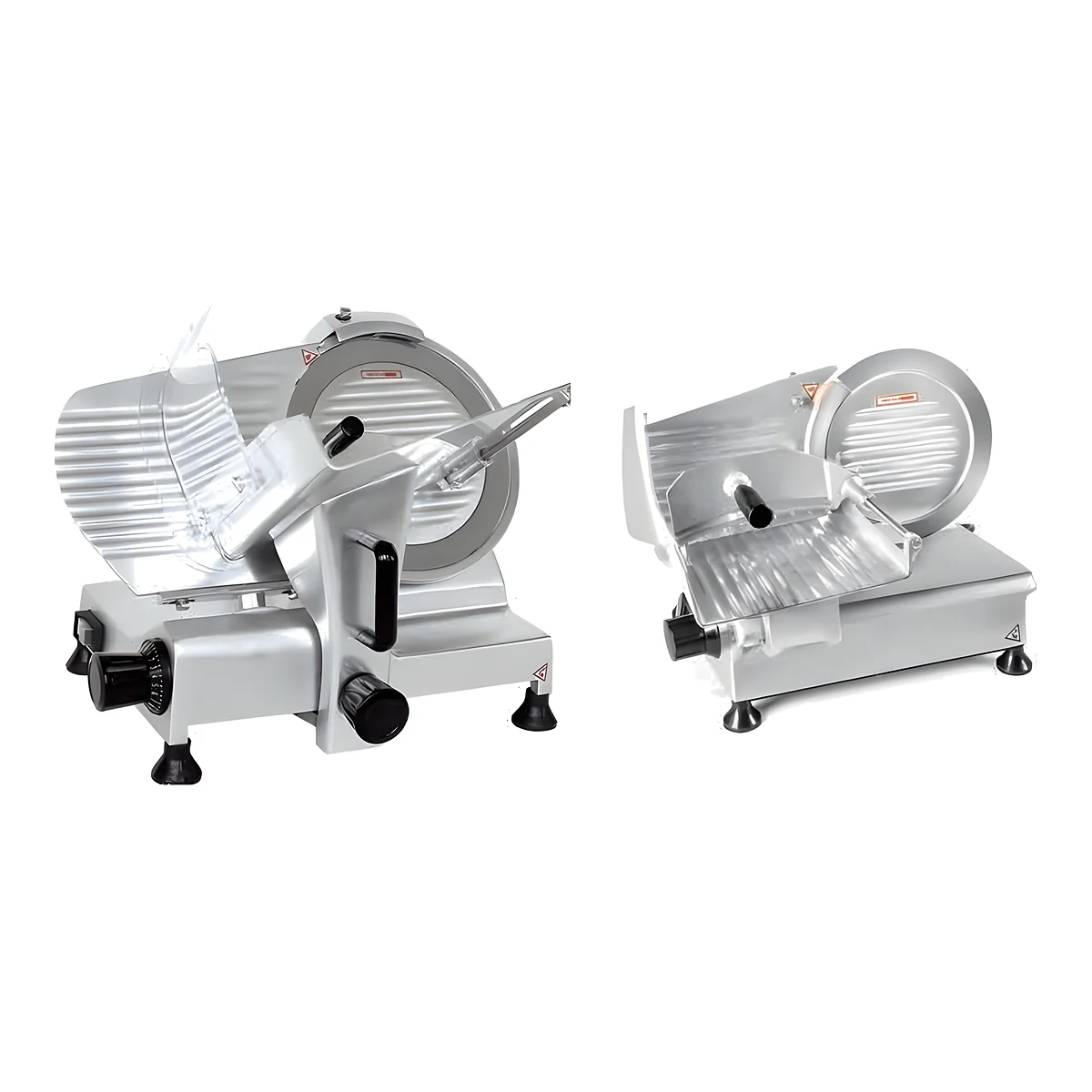
For a deli, the useful capacity question is how many acceptable portions can be ready before they are needed. A blade diameter does not answer it. Describe the actual product and portion, then measure the whole job, including loading, checking slices and placing them into the next container or pack.
Consider an illustrative sandwich order of 150 portions using three slices each. The slicing demand is 450 acceptable slices. That calculation identifies the task only: it does not say how fast a particular machine will complete it. If the menu uses several products or slice thicknesses, keep those runs separate so that changes and handling time remain visible.
Confirm that the product fits the intended machine
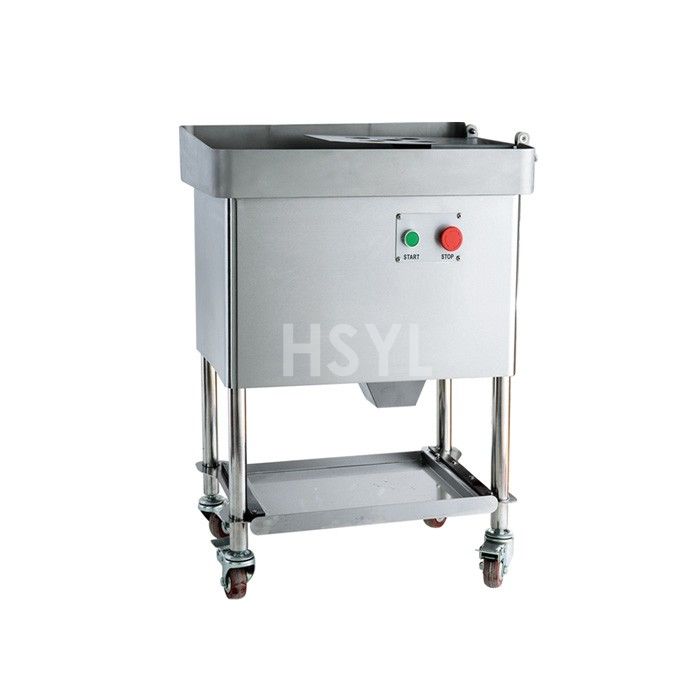
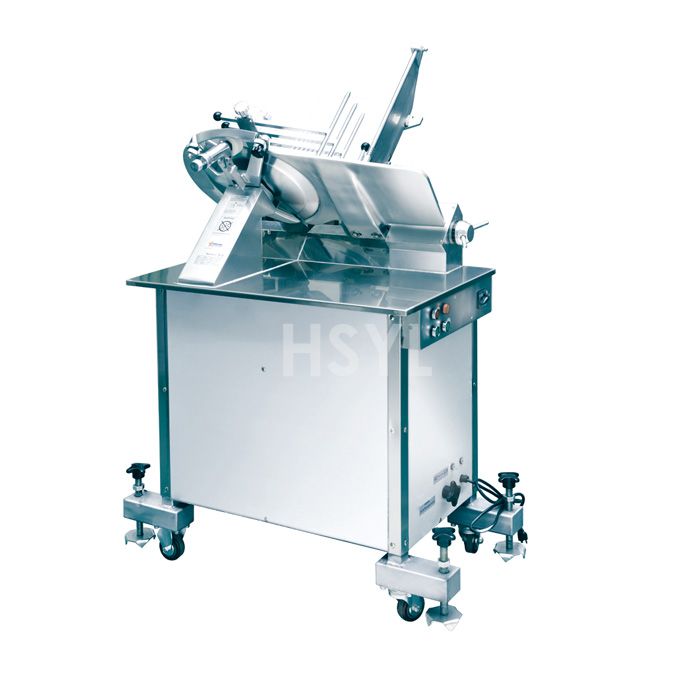
Measure the product's shape and largest section, and state its condition. Ask the supplier to confirm the intended application and usable cutting capacity of the exact slicer. A machine suitable for one cooked deli product is not automatically suitable for frozen blocks or bone-in material.
Manufacturer selection guides distinguish blade size from cutting capacity and intended usage. Maintain that distinction when reviewing commercial meat slicer options. Do not derive the largest acceptable product from blade diameter or an informal description such as compact or heavy-duty.
Watch where the working time goes
| Activity | What to observe during a supplier demonstration |
|---|---|
| Product loading and change | How the proposed product is handled within the manufacturer's intended arrangement |
| Slicing | Whether the required thickness and presentation remain acceptable through the run |
| Checking and collecting | Time spent assessing portions and moving acceptable output onward |
| Different products | Approved changeover and cleaning work associated with the actual production sequence |
Use the manufacturer's trained demonstrator and operating instructions; this capacity survey is not an operator training procedure. Record the product, portion specification and staffing arrangement with the observed result. Retain rejects or rework in the count so that the apparent output does not exclude the time needed to obtain acceptable portions.
The workstation may be limited by collection or packing rather than blade movement. Observe whether sliced product waits while the same person fetches containers, weighs portions or serves a customer. Improving the preparation and packing route may change practical output without changing the slicer.
Use the resulting cycle record to plan the available working window. Follow the site's approved food-handling procedures when deciding batch size and holding arrangements; do not create a larger buffer simply to make the machine appear more productive. The accepted capacity should describe this real portioning job, not a rate copied from a different meat, thickness or operating pattern.