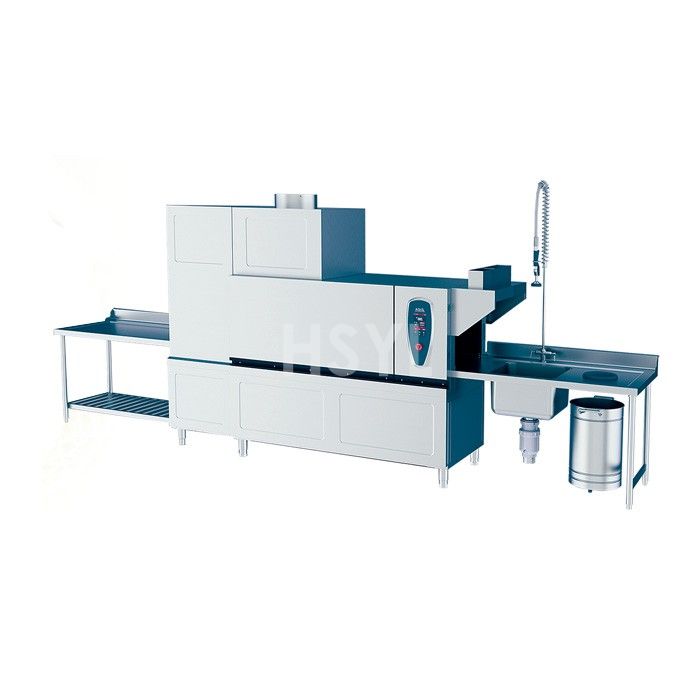
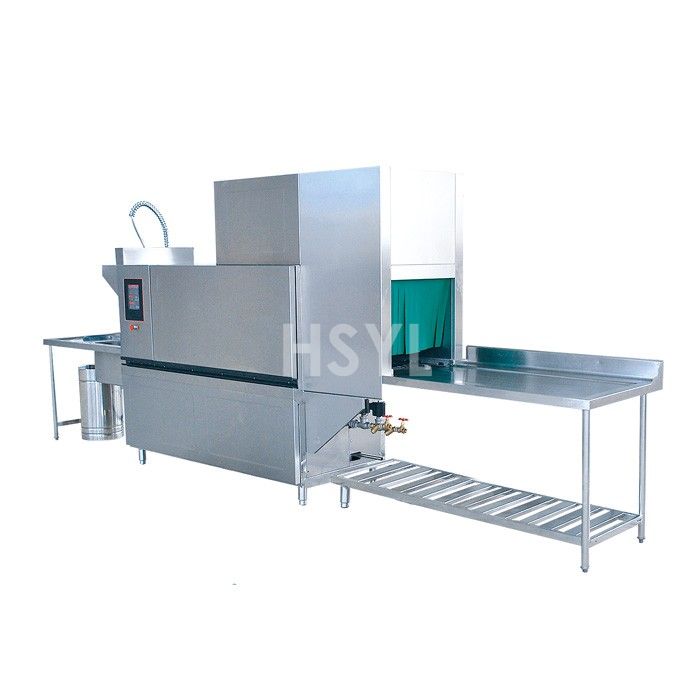
Direct Answer / Key Takeaway: Check pot-washer access with the largest utensil, loading accessory and clean landing arrangement. Coordinate the exact machine connections before delivery.
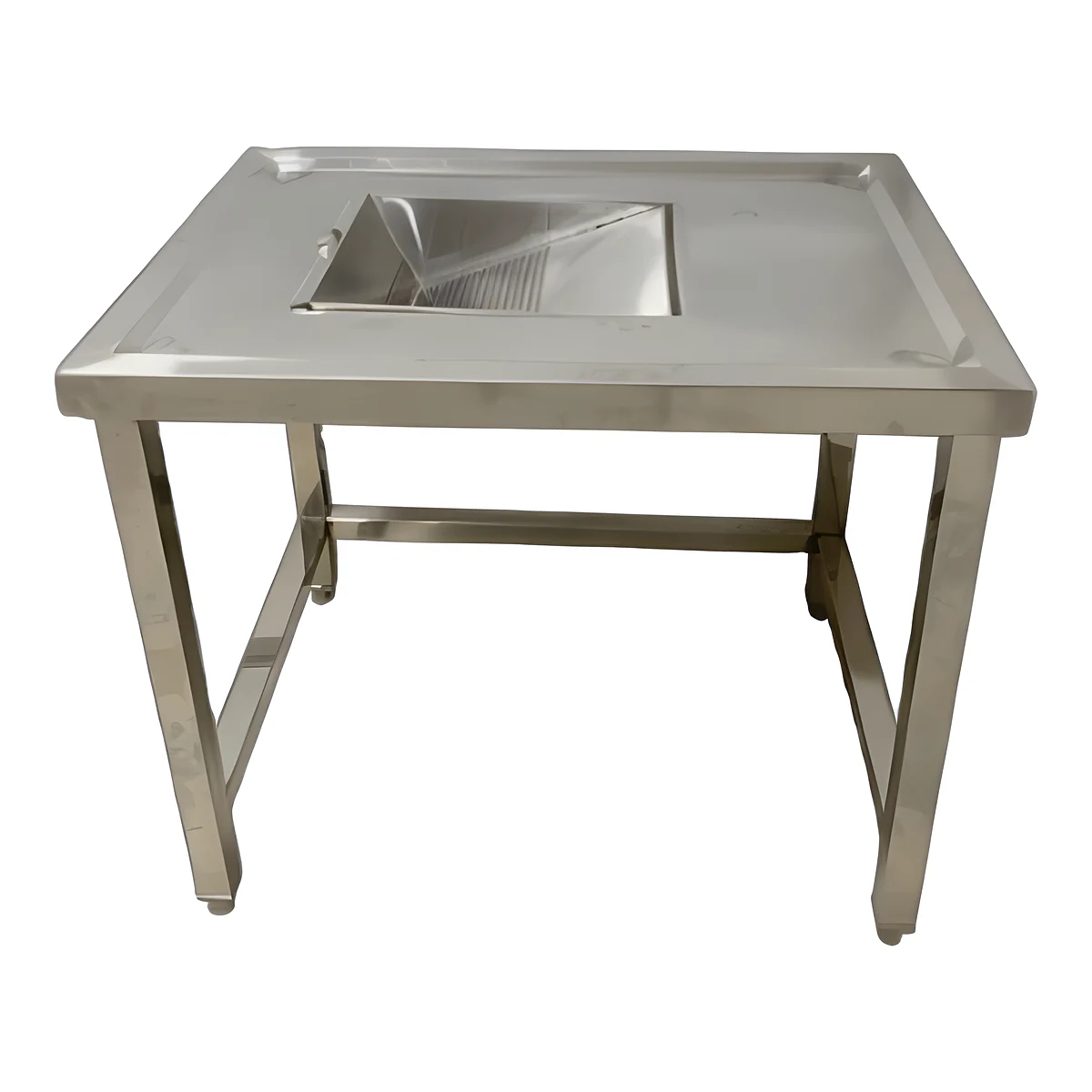
Measure a pot-washing station with the largest utensil in motion. A machine may fit the allocated floor space while a stockpot cannot be lifted into it without blocking an aisle or striking a shelf. The installation layout should prove the loaded transfer, not merely the delivery of an empty cabinet.
Trace one utensil through the station
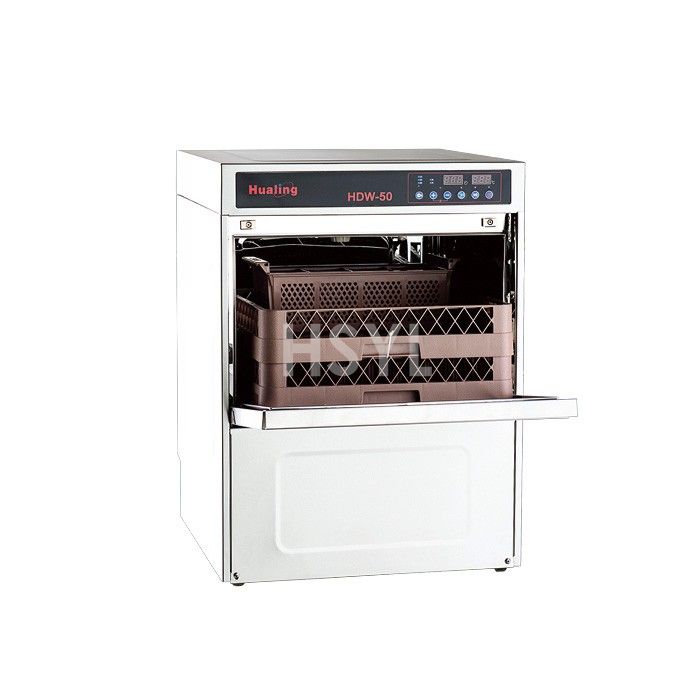
Place the largest representative vessel at the dirty landing point and follow the actual handling procedure through preparation, loading, unloading and clean storage. Include its handles, lid and any removable insert. Identify where those parts wait while the vessel is being washed.
Use a full-size outline or a supplier demonstration to review the operator's working positions. Loading height, reach and lifting effort must suit the actual task and the establishment's handling arrangements. If a load needs a trolley or another handling aid, include that aid on the drawing rather than treating it as a future accessory.
The clean side also needs somewhere to receive the load. Confirm how an operator removes the item and where it rests without touching the dirty-return area. Revisit the large-utensil return sequence when the proposed machine changes the direction of travel.
Separate operating space from service access
Ask the supplier to mark the machine with its door, lid or loading mechanism fully open. Show the manufacturer's service access and the route used to remove normal service components. Fixed shelving and permanently connected equipment must not consume that space.
Check the location after connecting hoses, cables and other services. A clear floor drawing can hide an inaccessible isolation point or a hose stretched across the cleaning area. Record which components require access by trained service personnel and keep those requirements with the final layout.
Coordinate the actual discharge arrangement
Obtain the model's discharge description, permitted installation conditions and any drainage accessory included. Do not infer whether a pump is supplied from another dishwasher in the same sales catalogue. Have the project plumbing professional coordinate the machine outlet with the site's drainage requirements and the temperature and flow information supplied for that model.
The distinction between a gravity discharge and an included pump belongs in the quotation comparison. A proposed solution should not depend on an improvised hose route, a guessed lift height or a modification that the equipment instructions do not permit. The drain-pump and gravity-drain review explains the questions to place in the project record.
Resolve the remaining utilities before shipment
Provide the supplier with the available electrical configuration and the actual water supply information, then request the corresponding requirements for the ordered unit. Distinguish machine mains power from any separate booster, dosing or control interface. Keep water-treatment decisions with the measured inlet condition and the machine instructions rather than prescribing a universal softener for every site.
Before delivery, check the transport route, final floor level and any assembly steps the manufacturer permits. On installation, compare the supplied machine identification and accessories with the approved connection drawing. A loaded handling walkthrough and the documented operating demonstration should close the installation record. Neither is replaced by an empty machine being switched on.