Direct Answer / Key Takeaway: Check approved oven combinations, support hardware, upper-tray handling and service access before treating two countertop convection ovens as a stackable package.
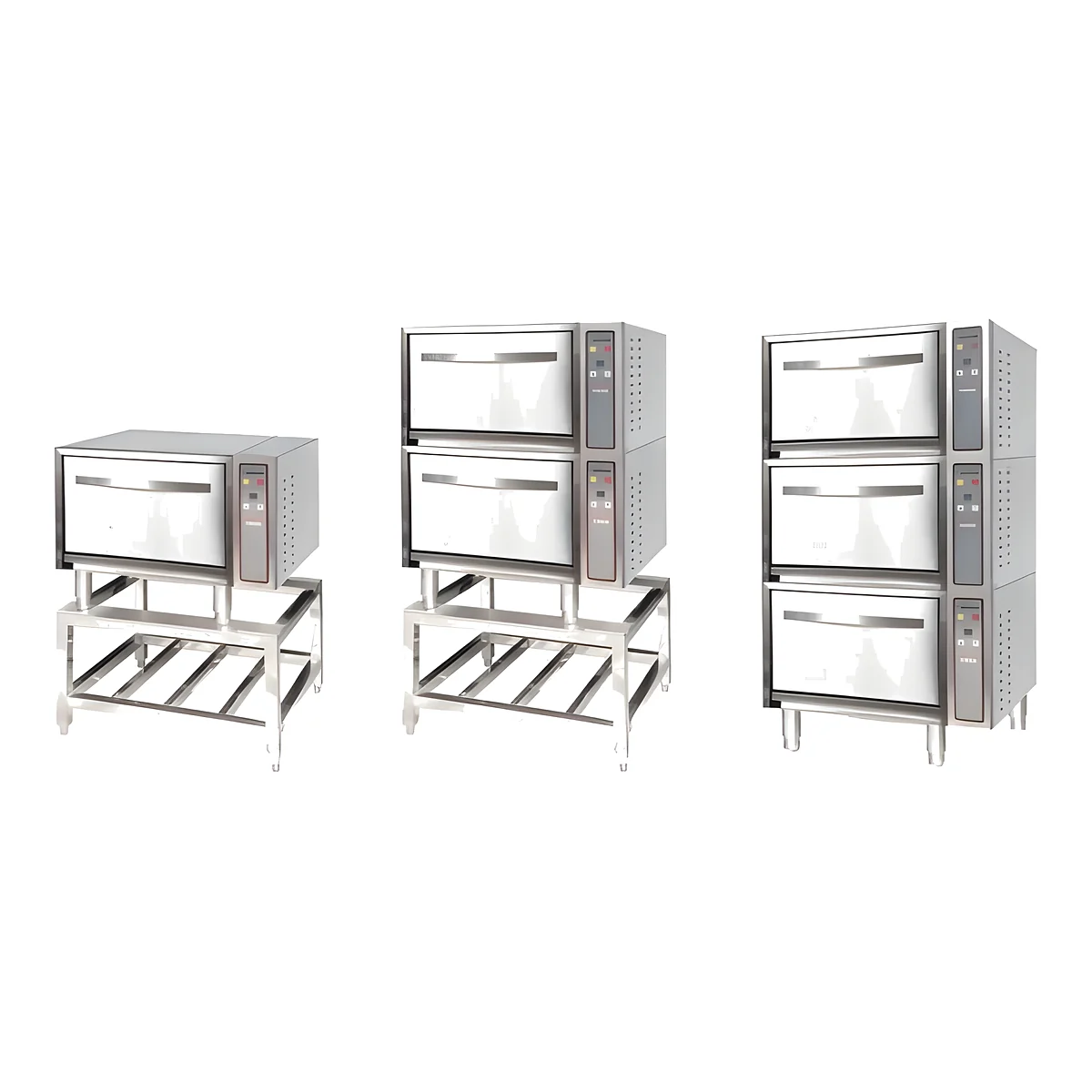
A quotation for two countertop convection ovens does not establish that one may sit on the other. Treat a proposed stack as a complete assembly that needs its own manufacturer approval, support arrangement and operating review. Do this before comparing its price with a single larger oven.
Ask for an approved combination, not a generic bracket
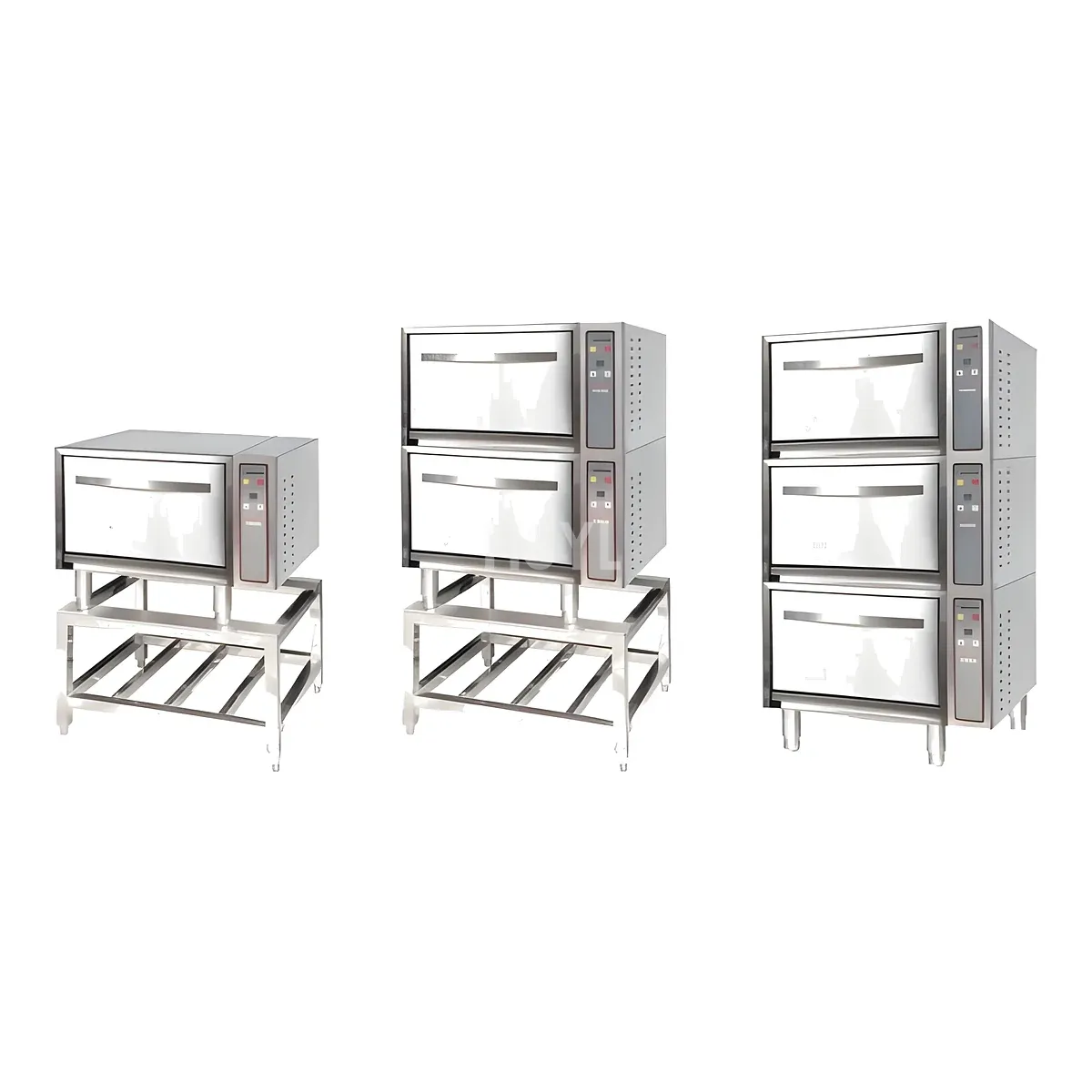
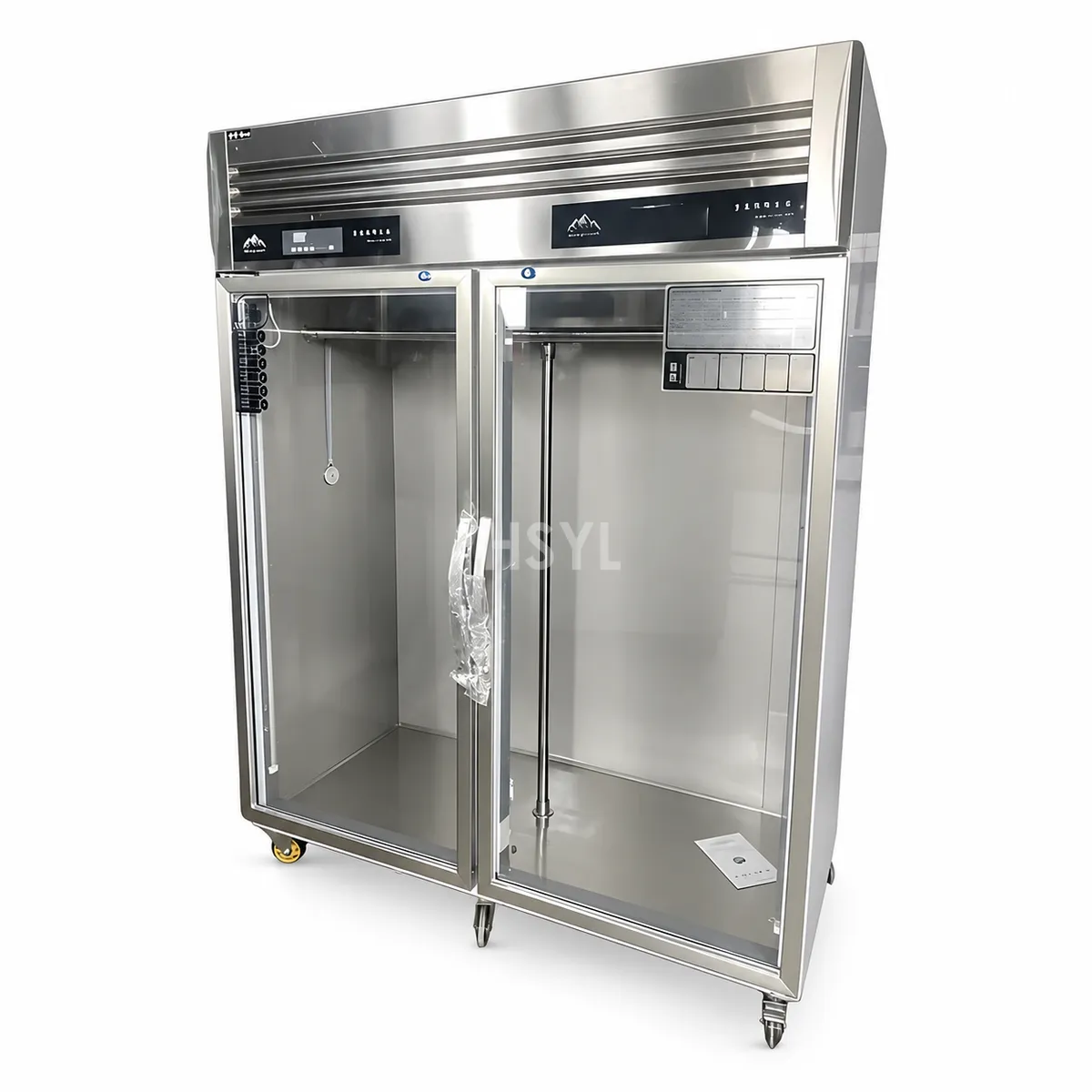
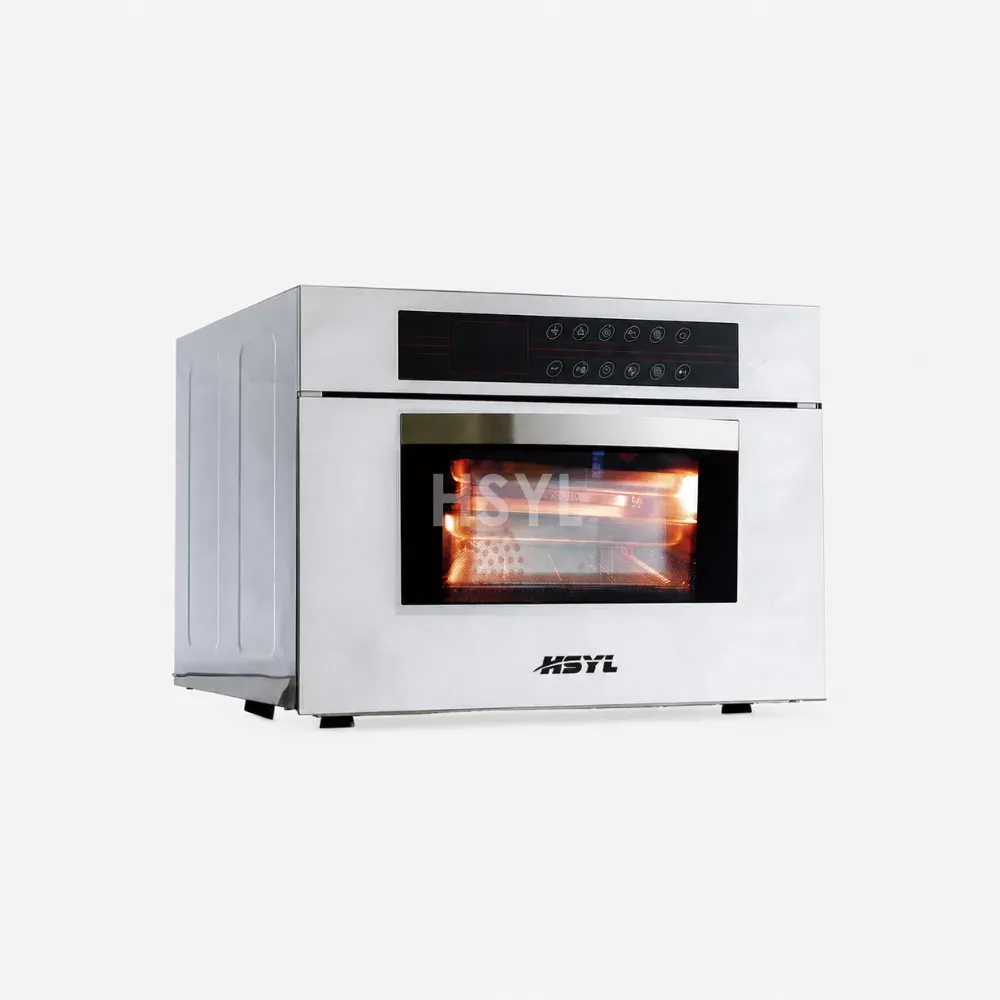
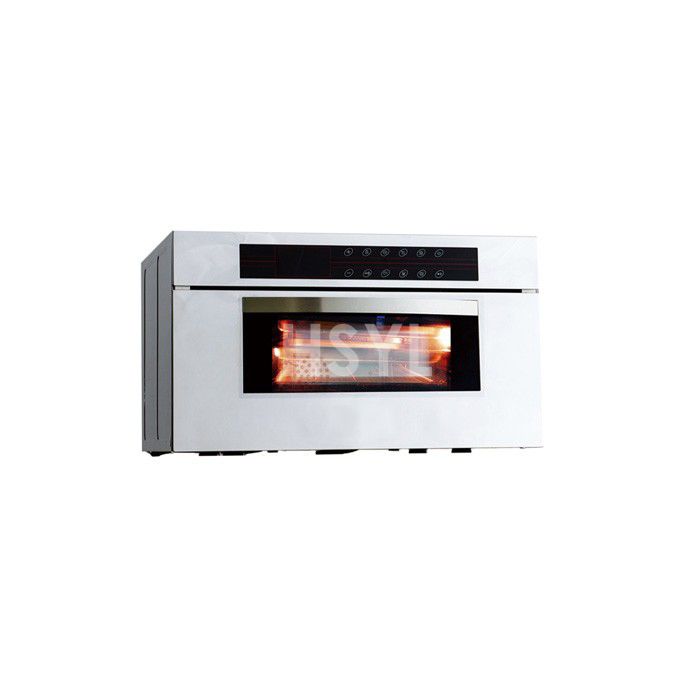
The catalog lists four-tray HKX400 and HKX400A ovens at 840 × 720 × 580 mm, and an eight-tray HKX800 at 840 × 1150 × 580 mm. Some matching catalog dimensions do not prove that their cabinets can support another appliance. The table alone also does not authorize stacking identical units.
Require the supplier to identify the permitted upper and lower models, the approved support or joining parts and the complete installation instructions. If stacking is outside the documented configuration, compare a supported alternative. A loose rack sold alongside an oven is not evidence that the resulting assembly has been approved.
Put a baker at the upper loading position
Mark the height of every tray rail after the stand and joining hardware are included. Check the baker's view into the upper chamber, the ability to grip a loaded tray and the route to a suitable landing surface. Include the actual door movement. An assembly can fit below a ceiling and still leave an upper tray awkward to remove.
Evaluate the products that will use those upper positions. Tall bread, delicate pastry and a tray of liquid batter involve different handling concerns. If the upper chamber can only be used comfortably for part of the menu, reflect that restriction in the buying decision instead of counting every rail as interchangeable capacity.
Price the whole assembly
The installed comparison should include the stand, approved joining components, delivery and assembly, separate appliance connections where required, and any changes to the working area. Ask who verifies the finished structure. The equipment price comparison should show these items explicitly rather than hiding them behind a two-oven headline price.
Have the supplier explain how each oven remains accessible for cleaning and service. Identify whether repairing one appliance requires dismantling the stack and who performs that work. Two chambers do not automatically provide useful backup if a fault makes the whole installation inaccessible.
Decide using the assembly you can actually operate
Compare the accepted stack with the alternative using your production schedule: which products need separate temperatures, which loads are ready together, and who loads each chamber. Review the relevant bakery oven capacity questions after the upper loading restrictions are known.
Order the complete approved arrangement with its named components. Keep the assembly drawing and any operating limitations with the purchase documents so that a later stand substitution does not silently change what was assessed.