Direct Answer / Key Takeaway: Compare proposed conveyor ovens using the real dough, toppings, carrier and delivery packaging, including the pizza‘s condition after the intended customer journey.
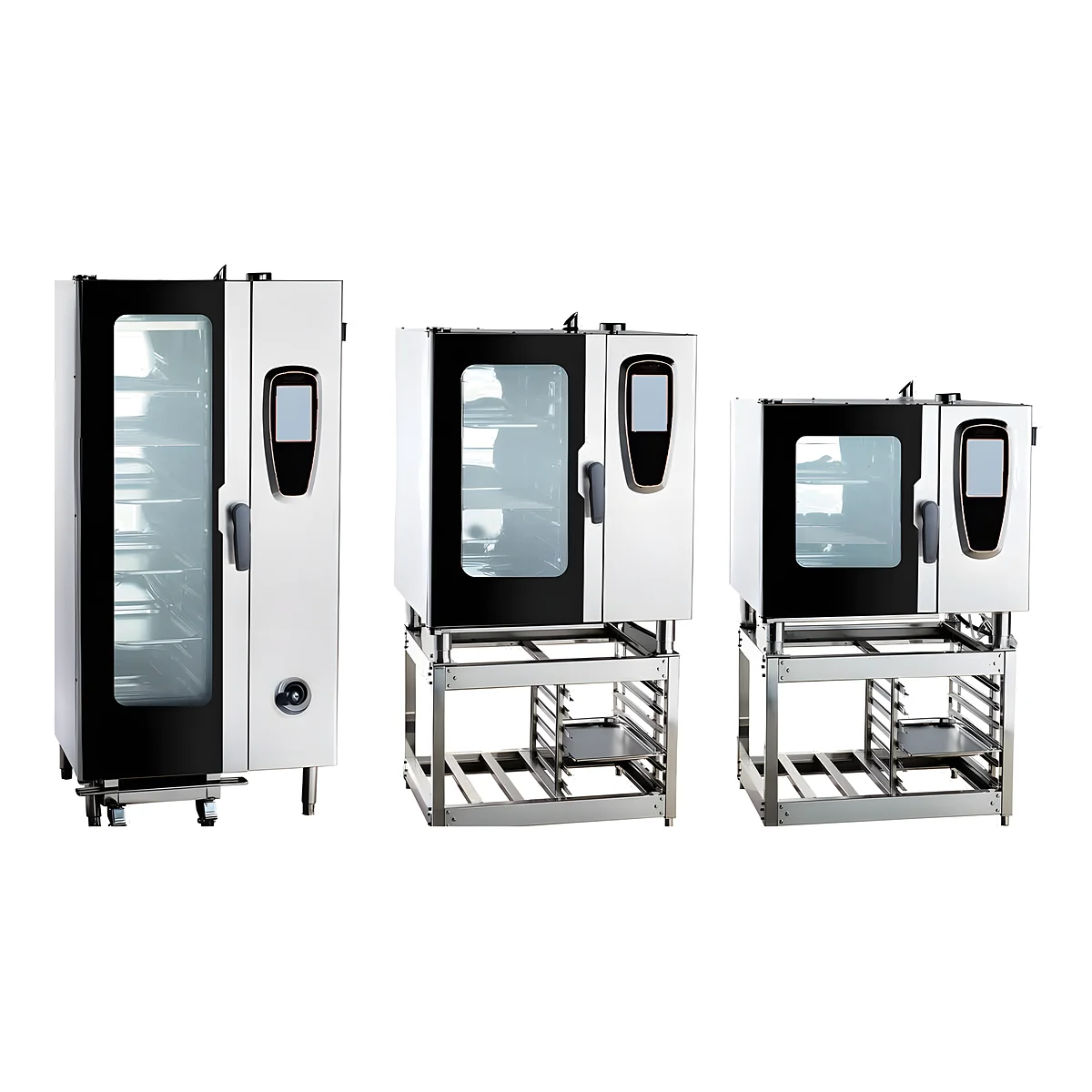
A pizza that looks good at the conveyor exit may not meet the delivery menu's standard after cutting, boxing and travel. When delivery is the main sales channel, compare the proposed oven through that complete journey. The buyer needs an acceptable customer product at the required service pace.
Use the menu that will be sold
Choose representative difficult products, not only the supplier's preferred demonstration pizza. Include the actual dough preparation, thickness, topping quantity and carrier. A lightly topped sample cannot answer how the intended heavier menu item behaves.
Agree the accepted food-process checks with the kitchen's responsible person before the trial. Keep those checks separate from appearance and eating-quality judgments. The trial must not discover a faster output by silently reducing the required cooking process or changing the recipe.
Follow matched samples through packing
For each proposed setup, assess a sample at the oven exit and a matched sample through the normal cutting and packing method. Use the intended box, liner if part of the approved process, dispatch handling and representative delivery interval. State the interval used; do not turn it into a universal quality guarantee.
| Assessment point | Observe |
|---|---|
| Oven exit | Base and rim appearance, topping result and required cooking checks |
| Cutting and boxing | Handling damage, release from the carrier and time waiting for packing |
| End of the agreed journey | Base texture, topping movement and the menu's accepted eating quality |
Keep the samples identifiable. If a box, dough batch or topping quantity changes between offers, that difference belongs in the comparison. Otherwise the oven may receive credit or blame for a change made elsewhere.
Include a mixed order sequence
A single acceptable pizza does not prove the setup can serve a busy menu. Run the agreed order mix and observe where different products require different settings or handling. If one product needs a separate process, establish how it is scheduled without sending another product through an unsuitable cycle.
Check the mixed-size production schedule alongside the oven trial. Count acceptable completed orders, including the point at which all pizzas in a multi-pizza order are available for dispatch.
Compare the complete offered package
Price the carriers, collection parts, approved support, installation and training needed to reproduce the accepted result. Clarify whether the demonstrated configuration is exactly the one quoted. A different accessory or control version can make a demonstration difficult to repeat.
Use the accepted holding and packaging workflow as part of the purchase specification. Select the setup that meets the agreed food, journey and timing requirements; keep a faster exit or a lower machine price from overriding a failed customer-product assessment.